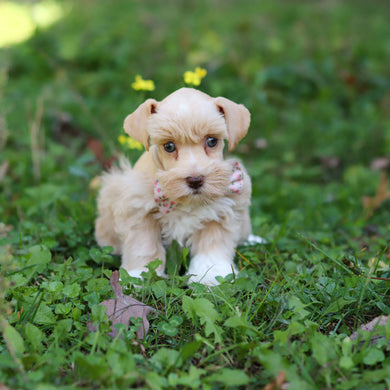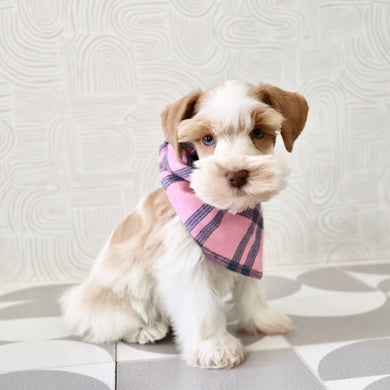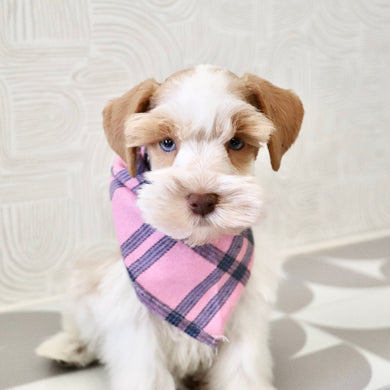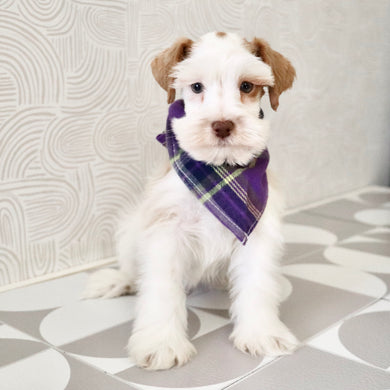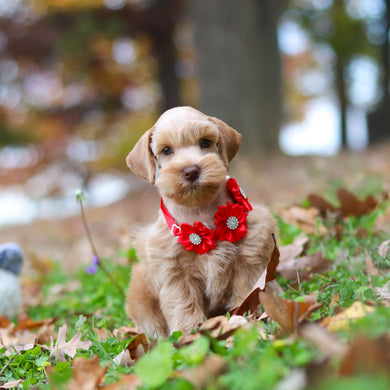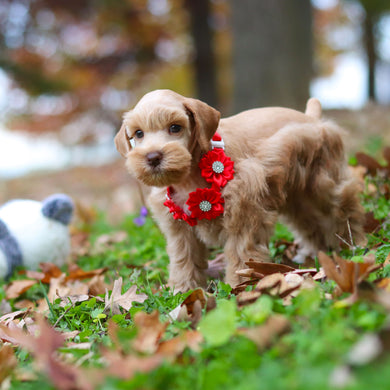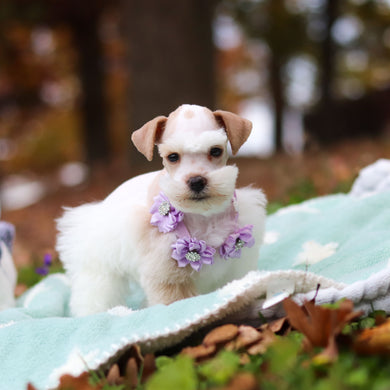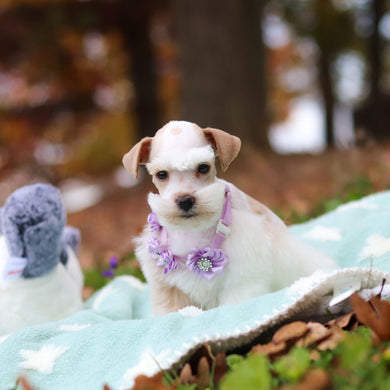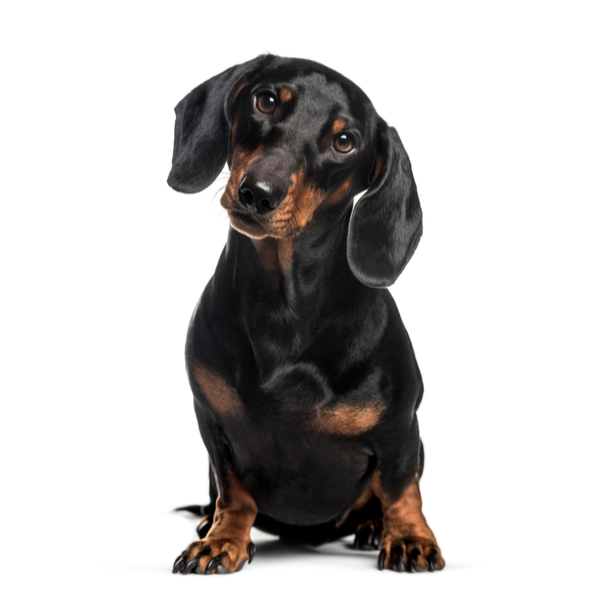


MINIATURE SCHNAUZER PUPPIES FOR SALE
Protective. Outgoing.
The Miniature Schnauzer is a spirited and affectionate companion, renowned for its intelligence and distinctive beard-like appearance. This small yet sturdy breed is adaptable to many lifestyles, thriving equally in city apartments and family homes. A naturally alert nature makes them excellent watchdogs, while their playful personality ensures they quickly become part of the family. Their low-shedding coat adds to their appeal for those seeking a cleaner home environment.
Families searching for a loving, loyal, and trainable pet often find the perfect match through our miniature Schnauzer for sale. Each puppy is raised with care and socialization, helping them grow into confident and well-mannered adults. These puppies are not just adorable but also backed by our commitment to their lifelong well-being. Learn more about our Training Programs that ensure your Miniature Schnauzer continues to thrive in every stage of life.
Happytail Puppies takes pride in offering healthy, happy, and well-adjusted pets. Every Miniature Schnauzer comes with our 10-Year Health Guarantee, reflecting our dedication to quality breeding and responsible care. Choosing this breed means gaining a faithful friend with a personality as bright as their appearance. Let us help you welcome a companion that will bring joy and loyalty for years to come.

Temperament
Miniature Schnauzers are smart and generally easy to train, and they will enjoy playing with interesting toys. You will certainly want to keep them occupied, as bored Schnauzers may find a way to entertain themselves, often by barking or chewing.
Your Miniature Schnauzer wants to be your family’s guardian, so it can often be wary of strangers and quite vocal.
Their confidence can sometimes cause them to forget their size and try to challenge larger dogs.

Appearance
Their proportionate muzzle has a blunt end with a bushy mustache and beard, and their teeth meet in a scissors bite.
This breed’s forelegs are parallel and straight with short, round feet. The well-muscled hind legs have slanting thighs set below shoulder-level. They carry their tails high and erect. Miniature Schnauzers sport a double coat with a wiry topcoat and a soft undercoat. They come in several colors:
- Black
- Salt and Pepper
- Chocolate
- White
- Parti (white coat with colored patches)
This breed has a minimal shedding rate and may therefore be a good choice for some people with allergies. They are typically 12 to 14 inches tall at the shoulder and weigh 11 to 20 pounds.

Exercise
Because your Schnauzer has a hunting instinct, keep an eye out for any smaller animals (such as cats, squirrels, and rabbits) that might wander into the yard. Many Schnauzers find it hard to overcome their instinct to chase and kill small animals. (You will also want to keep them far away from any smaller pets in your house, such as hamsters or gerbils, for the same reason.)
Schnauzers can do well in apartment and urban living as long as regular exercise is prioritized. We recommend about 60 minutes of activity a day for adult dogs and 6 miles of walking a week. Puppies need shorter, gentler sessions.
Exploring The History Of Miniature Schnauzer
Miniature Schnauzers were developed in Germany during the late 1800s as small farm dogs with a natural talent for catching rats and other rodents. They were created by crossing smaller Standard Schnauzers with smaller breeds, including Affenpinschers and Miniature Poodles. Some other breeds may also have contributed to their development. Their compact size, alert nature, and working instincts made them useful for controlling pests around farms and homes.
In the United States, the Miniature Schnauzer is classified as a member of the Terrier Group by the American Kennel Club (AKC). One particularly influential dog was Champion Dorem Display, who became the first Miniature Schnauzer to win an all-breed Best in Show award. He also became an important sire, with many dogs from American show lines tracing their ancestry to him.
The first Miniature Schnauzers arrived in the United States in 1924, and the AKC officially recognized the breed in 1926. Their popularity continued to grow, particularly after World War II, as families appreciated their intelligence, affectionate personalities, and adaptable nature. Today, Miniature Schnauzers are cherished as lively companions and remain popular in dog shows and performance activities.
Miniature Schnauzers can be prone to certain inherited and breed-associated health conditions. While not every dog will develop these issues, knowing about potential concerns can help owners provide appropriate care and recognize symptoms early.
Health of Miniature Schnauzer
Potential Health Concerns
- Pancreatitis: Inflammation of the pancreas that can cause vomiting, abdominal pain, loss of appetite, and lethargy.
- Bladder Stones: Mineral deposits that form in the bladder and may cause painful urination, blood in the urine, or difficulty passing urine.
- Schnauzer Comedo Syndrome: A breed-associated skin condition that causes blackheads and bumps, usually along the dog's back.
- Cushing's Disease: A hormonal disorder caused by excessive cortisol production, which may lead to increased thirst, frequent urination, and weight changes.
- Portosystemic Shunt: A congenital condition in which abnormal blood vessels allow some blood to bypass the liver, affecting its ability to filter toxins.
- Sick Sinus Syndrome: A heart rhythm disorder that affects the heart's natural pacemaker and can cause weakness, fainting, or an unusually slow heartbeat.
- Pulmonic Stenosis: A congenital heart condition involving narrowing near the pulmonary valve, which can restrict blood flow from the heart to the lungs.
Maintenance of Miniature Schnauzers
Miniature Schnauzers need regular brushing two or three times a week to prevent tangles and mats and keep their coat looking neat. Professional grooming every six to eight weeks can help maintain their distinctive appearance and keep their coat manageable. They are low-shedding dogs, which may make them a suitable choice for some allergy sufferers, although no dog is completely hypoallergenic.
Regular grooming is also a good opportunity to check your pup's ears and gently clean them when needed to remove dirt and prevent wax buildup. Dental care is equally important, so brush your Miniature Schnauzer's teeth daily or several times a week using dog-specific toothpaste to help prevent plaque buildup and gum disease.
Frequently Asked Questions About Miniature Schnauzer
How big do Miniature Schnauzers get?
Miniature Schnauzers typically stand 12–14 inches tall and weigh around 11–20 pounds when fully grown. Their compact size makes them suitable for many types of homes.
Are Miniature Schnauzers good family dogs?
Yes, Miniature Schnauzers can make wonderful family companions. They are affectionate, intelligent, and playful. Early socialization and supervision around young children help encourage positive interactions.
Do Miniature Schnauzers shed a lot?
Miniature Schnauzers are low-shedding dogs with a wiry double coat. Regular brushing and professional grooming every 5–8 weeks help keep their coat neat and manageable. However, no dog is completely hypoallergenic.
How much exercise does a Miniature Schnauzer need?
Miniature Schnauzers are lively dogs that benefit from daily walks, playtime, and mental stimulation. Training games and interactive toys can also help keep them happy and prevent boredom.
What health problems are Miniature Schnauzers prone to?
Miniature Schnauzers may be prone to certain health conditions, including pancreatitis, urinary stones, cataracts, and liver shunts. Regular veterinary checkups, a balanced diet, and responsible breeding practices can help support their overall health.