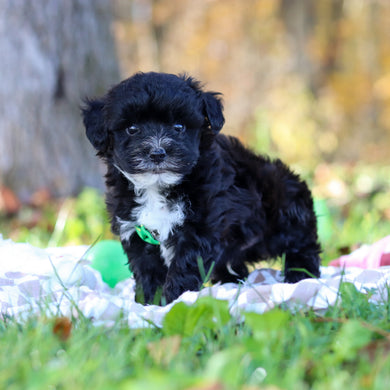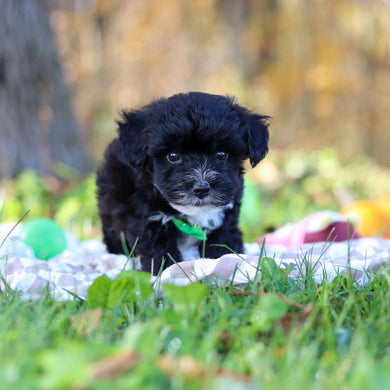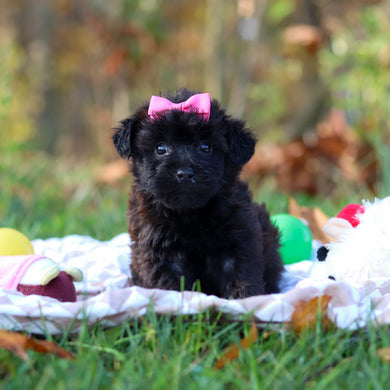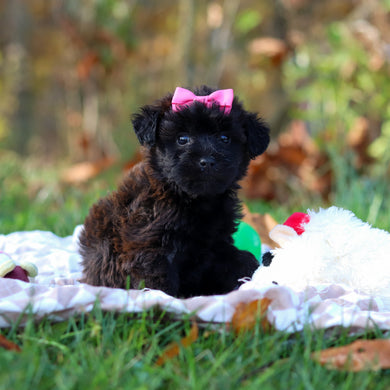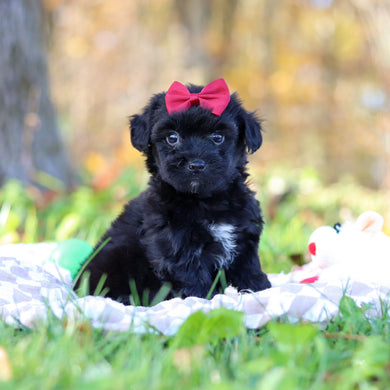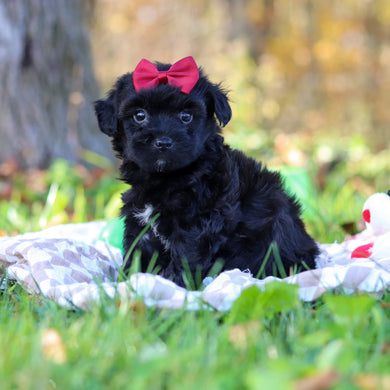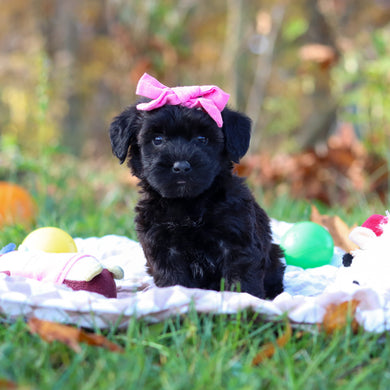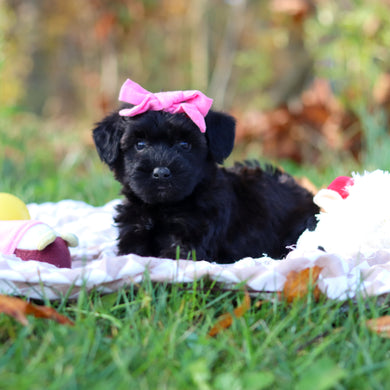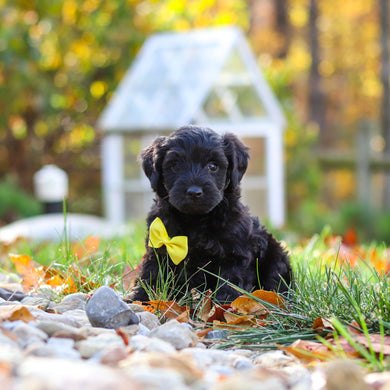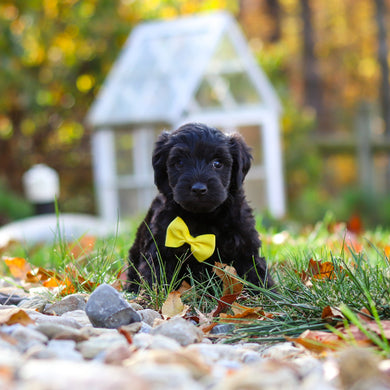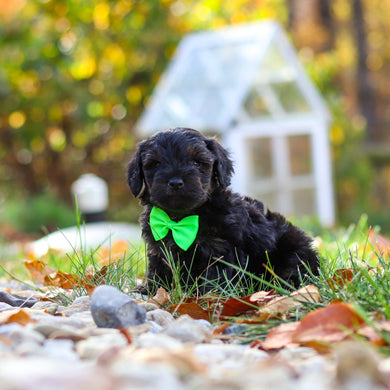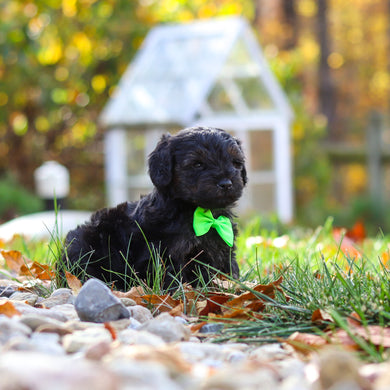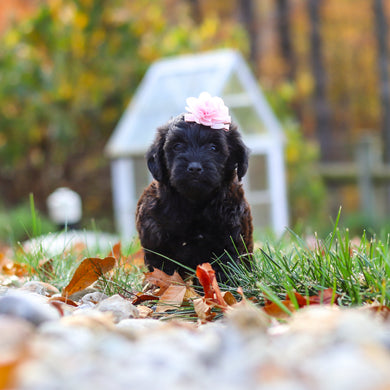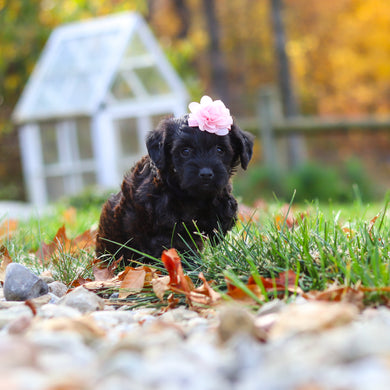

TEACUP-TOY YORKIE POO PUPPIES FOR SALE
Social. Confident.
Teacup Toy Yorkie Poo also known as Yoodle, Yorkapoo, Yorkerpoo, Yorkiepoopoo, and Yorkiedoodle. Yorkie Poo has the heart of a true companion and the pedigree of a showman. They are quite popular among those seeking a small, highly hypoallergenic best friend. This designer dog hasn’t been around long, but it has already gained prominence due to the great qualities of the parent breeds, the Yorkshire Terrier and the Poodle. Yorkie Poos are very confident and can do well in shows and competitions with appropriate training. Even if the competitive scene isn’t for you, the Yorkie Poo might be. They make great family companions and fun little friends.
We pride ourselves on breeding the most adorable and affectionate pups around. Our Teacup Toy Yorkie Poos are the epitome of charm, blending the intelligence of the Yorkie with the playfulness of the Poodle. Each pup is raised with love and care, ensuring they're ready to become cherished members of your family. Don't miss out on the joy these little bundles of fluff can bring into your life. Contact us now!
Temperament
They are curious and intelligent, and they respond well to training and positive reinforcement.
Their confidence can get them in trouble with other dogs sometimes. They forget their true size because they see themselves as much bigger dogs than they actually are. Early training and socialization will help them handle this and all kinds of situations.
This breed is highly intelligent because mental acuity runs in both parent breeds. They are able to learn new concepts very quickly, and they follow directions very well.
They have a charming appearance and a lively, social personality to match. They are lively and social
Appearance
Yorkie Poos that favor their Poodle parents can have large tufts of hair hanging from their limbs. Yorkie Poos that favor the Yorkshire Terrier genes tend to have multi-colored coats.
Because our Yorkie Poos have no undercoat, they are considered hypoallergenic and can be an ideal fit for those with allergies.
The smaller to medium size and its silky, soft coat are two features that are consistent in Yorkie Poos regardless of their parentage. Coats will vary in length, and they can be one of several colors:
- Black
- Brown
- Cream
- Multicolored
They are 7 to 15 inches in height and 3 to 14 pounds in weight.

Exercise
Because of their compact size, it’s possible for Yorkie Poos to get sufficient exercise by strolling around the block or playing around at a local park. In fact, much of their exercise needs can even be met inside the home, which is one of the reasons this breed is popular with condo and apartment dwellers.
We recommend 30 minutes of activity per day and about 6 miles of walking per week.
Historic Evolution Of Teacup Toy Yorkie Poo Puppies
Yorkie Poos were bred to capture the best qualities of the Yorkshire Terrier and the Poodle. Because they are a newer designer breed, their histories only span a couple of decades, but we know much more about the histories of their parent breeds.
Origin
The Yorkshire Terrier was named for its place of origin in England. When the Industrial Revolution brought Scottish immigrants to England in search of work, they brought with them the now-extinct Old English Toy and Waterside Terriers, which were well-suited to hunting rodents. Pairing those two created some of the breed’s early refinements. They eventually arrived in the United States, and the American Kennel Club recognized the breed in 1885. They became popular for their showmanship and their affectionate personalities.
Reputation
Poodles are highly intelligent and multi-talented, and they originated in Germany, where they were bred to find and retrieve waterfowl. In fact, they were called “Pudlehund” from the German words “pudle,” which means to splash about, and “hund,” which means dog. As they moved about Europe, they gained a reputation for being fast learners who were easy to train. They’ve worked as truffle hunters, circus dogs, service dogs, therapy dogs, and even police and military dogs on occasion.
Recognition
After their long working history, they enjoyed cushy lives as companions to nobles of France and other European countries. The breed was recognized by the American Kennel Club in 1887. Though some Poodles are still working dogs today, most are happy companions and loving family members.
Well-Being of Teacup Toy Yorkie Poo Puppies
Ensuring the health and well-being of our Teacup Toy Yorkie Poo puppies is a priority at Happytail Puppies. Like other small dogs, Yorkie Poos may inherit certain health conditions from their Yorkshire Terrier and Poodle parents. While not every puppy will develop these issues, understanding potential health concerns can help owners provide proper care and seek veterinary attention when needed.
Potential Health Concerns
- Patellar Luxation: A condition in which the kneecap slips out of its normal position, sometimes causing discomfort, limping, or difficulty walking.
- Legg-Calvé-Perthes Disease: A condition affecting the hip joint when its blood supply is reduced, potentially causing pain, stiffness, and difficulty walking.
- Periodontal Disease: A common dental problem involving plaque and tartar buildup, which can lead to gum inflammation, discomfort, and tooth loss.
- Atopic Dermatitis: An allergic skin condition triggered by environmental allergens, often causing itching, redness, and skin irritation.
- Epilepsy: A neurological condition that causes recurring seizures and may require ongoing veterinary management.
- Portosystemic Shunt: A congenital condition involving abnormal blood flow that allows some blood to bypass the liver, affecting its ability to filter toxins.
Maintenance of Teacup Toy Yorkie Poo Puppies
Taking care of your Teacup Toy Yorkie Poo Puppy is the most rewarding responsibility that calls for attention to detail and regular grooming.
Coat Care
Teacup Toy Yorkie Poo puppies boast a low-shedding coat. However, regular brushing is important to maintain its luster and health. Brushing a couple of times a week can help prevent tangles and mats to ensure an alluring and comfortable appearance. It is recommended to keep a variety of brushes handy with occasional visits to a professional groomer who can enhance the appeal and the health of their coats.
Nail Care
Regular nail trimming is crucial for Teacup Toy Yorkie Poo puppies to prevent discomfort and potential injury. However, dog parents must seek professional training before attempting nail clipping at home, as improper technique can harm the pup. Professional groomers or veterinarians can safely manage this task if dog parents are unsure.
Dental Hygiene
Maintaining good dental hygiene is vital for overall health and fresh breath. Dog parents should brush their Teacup Toy Yorkie Poo's teeth several times a week using canine toothpaste and a dog-specific toothbrush. This simple routine helps prevent dental issues and ensures a happy, healthy pup.
Frequently Asked Questions About Teacup Toy Yorkie Poo Puppies
How Big Do Teacup Yorkie Poos Get?
Teacup Yorkie Poos typically stand 7–15 inches tall and weigh between 3 and 14 pounds. Their adult size can vary depending on their parent breeds and individual genetics.
Do Yorkie Poos Bark A Lot?
Yorkie Poos can be vocal little dogs and may bark at unfamiliar sounds, visitors, or other animals. Early training, socialization, and mental stimulation can help manage excessive barking.
Where Can I Get Adorable Teacup Toy Yorkie Poo Puppies?
You can find adorable Teacup Toy Yorkie Poo puppies at Happytail Puppies. We work with responsible breeder families and provide loving care for our puppies. Contact our team to learn about available puppies and the adoption process.
What Is the Lifespan of a Teacup Yorkie Poo?
Yorkie Poos generally have a lifespan of around 12–15 years. Proper nutrition, regular exercise, routine veterinary checkups, and good everyday care can help support their long-term health.
Are Teacup Toy Yorkie Poo Puppies Good With Other Pets?
Yes, Yorkie Poos can get along well with other dogs and cats when properly socialized from an early age. Gradual introductions and supervised interactions help them build positive relationships with other household pets.