
MINIATURE LABRADOODLE PUPPIES FOR SALE
Friendly. Smart. Affectionate.
Miniature Labradoodles are a smaller version of the popular Labradoodle, a cross between a Labrador Retriever and a Poodle.. They are sweet-natured and smart, and they love to spend time with their people. They are affectionate with their family. They are also tolerant and compassionate, and they tend to be well-behaved around people of all ages and other pets.
Miniature Labradoodles typically have a lifespan of around 10 to 14 years, although their health and longevity depend on genetics, nutrition, exercise, and routine veterinary care.
With their friendly disposition and playful nature, they are ideal companions for families, singles, and seniors alike. At Happytail Puppies, we focus on the health and happiness of our pups to ensure that they get high-level care and socialization from day one. Our pups are raised in a loving environment and prepared to transition into your home seamlessly. Take advantage of the chance to bring home your lifelong friend. Contact us today and let one of our pups steal your heart.

Temperament
Even the most inexperienced dog parents find this breed to be easy to train and eager to please.
They are too gentle and sweet to make a good guard dog, but they can be useful watchdogs.

Appearance
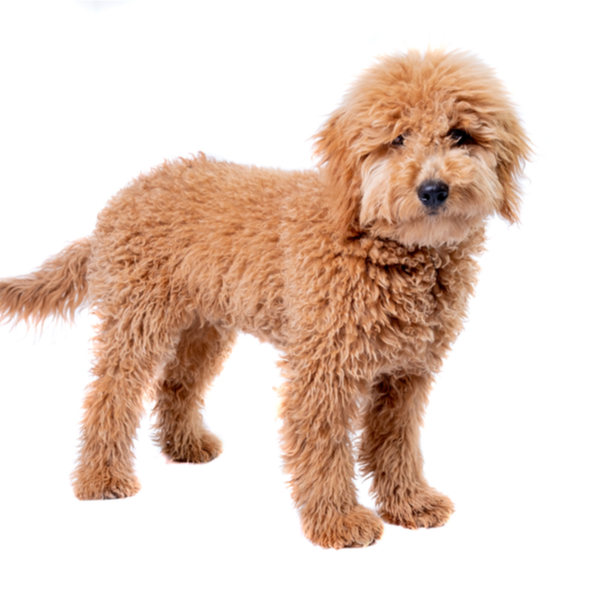
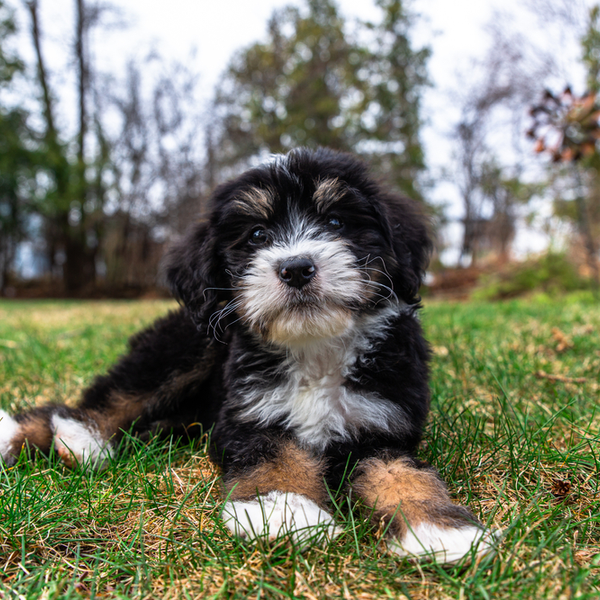
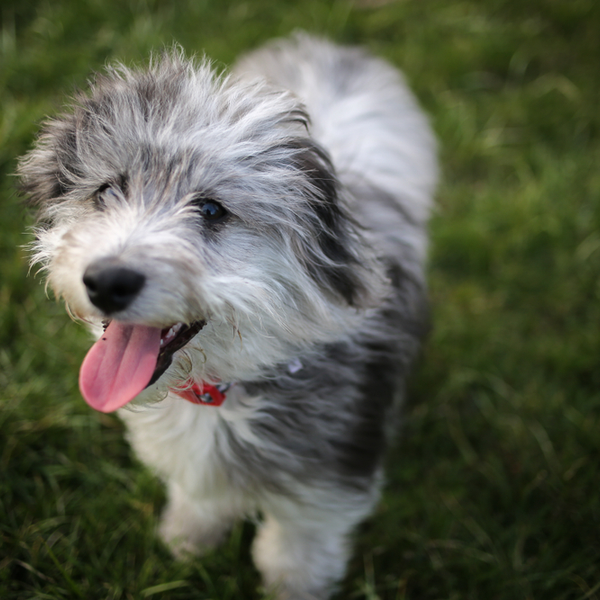
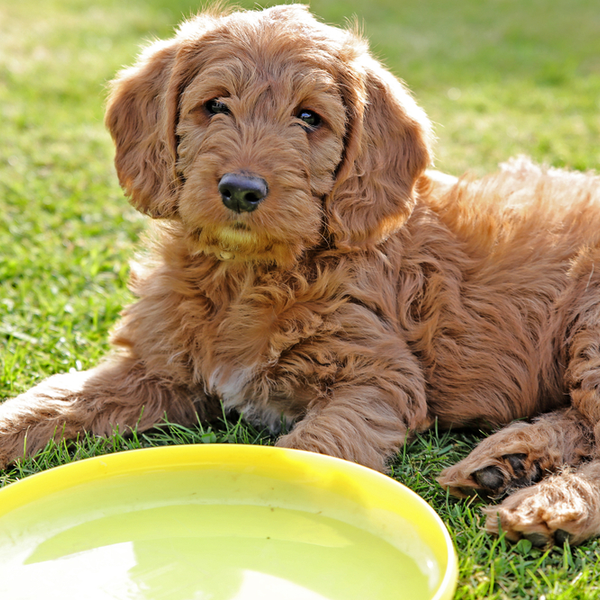
They typically have floppy, furry ears, expressive eyes, and a muzzle that ranges from medium to long. Their overall size and body proportions may also vary.
The Miniature Labradoodle coat varies a great deal, ranging from straight to loose curls, and usually kept about 4 to 6 inches in length. The coat may be one of three textures. They could have hair similar to fur in shedding dogs, they could have a more dense and non-shedding wool, or they could have more of a silky fleece. They come in a variety of colors:
- Gold
- Brown
- Apricot
- Whitish gray
- Black
- Blue and cream

Exercise
Labradoodles generally love water. They’ll play and swim and do just about anything that involves getting wet.
These dogs can adapt well to apartment living because they don’t require much space.
We recommend at least 60 minutes of activity a day adjusted to your dog's age, health, and energy level.
Unveiling the Origin of the Miniature Labradoodle
Unravel the fascinating narrative behind the creation of the Miniature Labradoodle, a breed crafted with innovation and purpose.
Origin
The miniature labradoodle is a relatively new hybrid breed. Its origin date back to 1988, when breeder Wally Cochran, a member of The Royal Guide Dogs group, embarked on a mission to create a unique canine companion. A client with allergies needed a guide dog, prompting Cochran to develop a breed that combined intelligence, gentleness, and hypoallergenic traits. Thus, the labradoodle was born.
Genetic Blend
- This innovative crossbreed comes in several varieties, each with its genetic makeup and characteristics:
- F1: 50% Poodle, 50 % Labrador
- F1-B: 75% Poodle, 25% Labrador, known to shed very little so that it can be ideal for people with allergies.
- F2: mix of two F1 Labradoodles, similar to the F1 type, though because it sheds more, it may not be as good of a choice for allergy-sufferers
- F3: cross between two F2 varieties
- Multi-Generation: a combination of two F3 or higher generation dogs
Ensuring the Health of Your Miniature Labradoodle
It is important to know about the possible health concerns and undertaking proactive measures towards their care.
Major Health Concerns
- Progressive Retinal Atrophy (PRA): A degenerative eye disorder leading to vision loss over time, PRA should be monitored through regular veterinary check-ups.
- Hip Dysplasia: A common condition where the hip joint doesn't develop properly, potentially leading to pain and mobility issues. Regular exercise and weight management can help mitigate the risk.
- Hypothyroidism: An underactive thyroid gland can lead to weight gain, lethargy, and skin issues. Routine blood tests can detect thyroid imbalances, and medication can effectively manage the condition.
Minor Health Concerns
- Elbow Dysplasia: Similar to hip dysplasia but affecting the elbow joint, it can cause lameness and discomfort. Monitoring your pup's activity levels and providing a balanced diet can help manage this condition.
Caring for Your Miniature Labradoodle Puppy
Caring for your miniature labradoodle involves a combination of grooming, training, and regular veterinary care to ensure its well-being and happiness.
Grooming
Miniature Labradoodles have a coat that requires daily brushing to prevent matting and tangling. While baths should be reserved for when necessary, you may find it helpful to clean their eyes with a damp cloth between baths. Additionally, regular nail trimming every one to two months is essential, with frequency varying based on your pup's activity level. Weekly ear cleaning helps prevent infections, and brushing your dog's teeth daily or at least two to three times a week maintains their oral health.
Training
Consistent training is crucial for miniature labradoodles to thrive. These intelligent and eager-to-please dogs respond well to positive reinforcement techniques, which you can learn from the training programs we offer at Happytail Puppies. Basic obedience commands such as sit, stay, and come should be taught early on, followed by leash training and socialization with other dogs and people. Establishing clear boundaries and providing mental stimulation through interactive toys and games helps channel their energy in a positive direction.
Frequently Asked Questions About Miniature Labradoodle
How Big Does A Miniature Labradoodle Get?
A Miniature Labradoodle typically stands around 14–16 inches tall at the shoulder and weighs 15–30 pounds when fully grown. However, its adult size can vary depending on genetics, particularly the size of its Labrador Retriever and Miniature Poodle parents.
Are Miniature Labradoodles Suitable For Apartment Living?
Yes, Miniature Labradoodles can adapt to apartment living if they receive enough daily exercise, mental stimulation, and attention. Regular walks, interactive play, and consistent training help keep them happy and prevent boredom.
Are There Any Training Challenges Associated With Miniature Labradoodle Puppies?
Miniature Labradoodle puppies are intelligent and often eager to please, which can make training easier. However, they may become distracted by their playful energy. Positive reinforcement, consistent routines, and early socialization can help them develop good habits.
Are Miniature Labradoodle Puppies Good With Children And Other Pets?
Miniature Labradoodles are generally friendly and sociable, making them potential companions for families with children and other pets. Early socialization and supervision around young children help encourage safe, positive interactions.
Are Miniature Labradoodle Puppies Hypoallergenic?
No dog breed is completely hypoallergenic, including the Miniature Labradoodle. Some may shed less than others, depending on their coat type, but shedding and allergen levels vary from dog to dog. Regular grooming and cleaning can help reduce loose hair and allergens in the home.