
TEACUP SHIH POO PUPPIES FOR SALE
Friendly. Obedient.
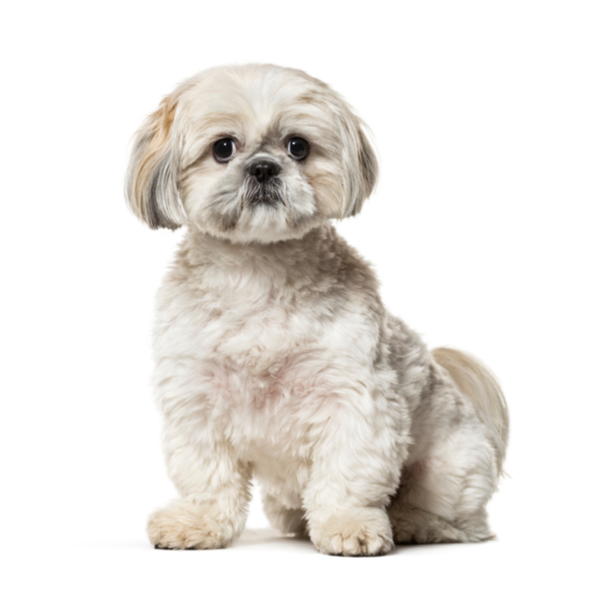
Teacup Shihpoo is also known as Shipoo, Shi-Poo, Shi Poo, Shihpooh, Shipooh, and Shitzpoo. The Shih Poo is a mix of the Shih Tzu and the Poodle. These dogs are affectionate and playful, and they love being around their families. They enjoy attention, whether that means joining in playtime or curling up beside you on the couch. Their Poodle parent passes on intelligence, which makes learning tricks and commands easier.
Shih Poos generally get along with children and other pets when you introduce them properly. Some may be a little reserved around new people, but they often warm up once they have had some time to get to know them. They respond well to patient, consistent training and positive reinforcement. Since they enjoy company, they usually prefer to have their family nearby rather than spend long periods of time alone.
Temperament
They are quiet and eager to please, so you will find them to be obedient with you and possibly shy with unfamiliar people.
The Shih Poo is smart and affectionate, and they enjoy spending time with their people whether it’s tagging along on your adventures or cuddling up in your lap.
Though smart, the breed is known to be stubborn, so training can be challenging. Regular obedience classes will allow your Shih Poo to learn that structure can be fun, and it will also give them a chance to shine.
Appearance
Their coats will vary but can be curly, short, long, or anywhere in between. Coat colors include:
- Gray
- Brown
- Black
- White
They are typically 8 to 13 inches in height and 8 to 10 pounds in weight.

Exercise
They have lots of energy and love playing with toys like balls and stuffed animals..
The Shih-Poo enjoys agility activities and obedience training, both of which are great ways to keep him physically active and mentally challenged.
We recommend 40 minutes of activity a day and about 8 miles of walking per week.
The History of Shih Poo Puppies
Shih Poos are a fairly recent crossbreed, so there isn't much recorded history about when or where the first ones were bred. To understand their background, it's worth looking at the two breeds behind them: the Shih Tzu and the Poodle.
Shih Tzu History
The Shih Tzu has a long history in China, where these small dogs were kept as companions in imperial households. Their roots may go back much further, with historical records and artwork suggesting that similar dogs existed during the Tang dynasty. Their exact ancestry is uncertain, although Tibetan dogs are believed to have played a part in their development.
The breed nearly disappeared in China following the revolution in 1949. A small group of dogs preserved in Europe helped rebuild the breed, and American servicemen returning from Europe after World War II helped introduce Shih Tzus to the United States. The American Kennel Club officially recognized the breed in 1969. Today, Shih Tzus are loved for their affectionate personalities and long history as companion dogs.
Poodle History
Poodles have their roots in Germany, where they were originally bred to retrieve waterfowl for hunters. Their name comes from the German word Pudel, associated with splashing in water. Their curly coats and swimming ability made them well suited to this work.
Over time, Poodles became popular beyond hunting circles. Their intelligence and ability to learn quickly allowed them to take on different roles, including performing in circuses. They also became popular family companions, with Toy and Miniature varieties making them suitable for smaller homes. Today, Poodles are admired for their intelligence, trainability, and distinctive coats.
Health Concerns in Shih Poo Puppies
Shih Poos can inherit certain health concerns from their Shih Tzu and Poodle parents. Their risk depends on genetics, parent health, and individual characteristics. Not every Shih Poo will develop these conditions, but knowing about them can help owners recognize potential problems and arrange veterinary care when needed.
Potential Health Concerns
- Eye Problems: Shih Poos may inherit eye conditions such as entropion and corneal dystrophy. Watch for redness, excessive tearing, cloudy eyes, or signs of irritation.
- Addison's Disease: This hormonal disorder affects the adrenal glands and can cause vomiting, weakness, lethargy, and changes in appetite.
- Brachycephalic Airway Syndrome: Puppies inheriting the Shih Tzu's shorter facial structure may experience breathing difficulties, snoring, and reduced tolerance for exercise.
- Intervertebral Disc Disease (IVDD): This condition affects the cushioning discs between the vertebrae and can cause back pain, weakness, and difficulty walking.
- Sebaceous Adenitis: This inflammatory skin condition affects the glands that produce natural oils, potentially leading to dry, flaky skin and hair loss.
- Otitis Externa: This is inflammation of the outer ear canal. It can cause itching, redness, unpleasant odors, and ear discharge.
- Urolithiasis: Bladder or urinary stones can cause discomfort, frequent urination, blood in the urine, or difficulty passing urine.
Maintenance of Teacup Shihpoo
Shih Poos can have soft, wavy, or curly coats that need regular brushing to prevent tangles and uncomfortable mats. Daily brushing is recommended, especially for puppies with longer or curlier hair. Pay extra attention to areas behind the ears, under the shoulders, and around the hindquarters, as these spots can become matted easily. Regular visits to a professional groomer every four to eight weeks can help keep their coat neat and manageable.
Shih Poos may also experience tear staining, so gently clean around their eyes with a soft, damp cloth when needed. Check their ears weekly and clean them with a dog-safe ear cleaner if necessary. Trim their nails regularly to prevent overgrowth and discomfort. Brushing their teeth daily, or at least several times a week, can also help reduce plaque buildup and keep their gums healthy.
Frequently Asked Questions About Shih Poo Puppies
How big do Shih Poos get?
Shih Poos typically stand 8–13 inches tall and weigh around 8–10 pounds. Their adult size may vary depending on the size and genetics of their parent dogs.
Do Shih Poos shed a lot?
Shih Poos are generally low-shedding dogs, but the amount of hair they shed depends on their coat type and genetics. Regular brushing helps remove loose hair and prevent tangles.
Are Shih Poos easy to train?
Shih Poos are intelligent and can learn commands with consistent training. They respond well to praise, treats, and positive reinforcement.
Are Shih Poos good family dogs?
Yes, Shih Poos can make lovely family pets. They are affectionate and playful and can get along well with children and other pets when properly introduced.
How often should a Shih Poo be groomed?
Shih Poos benefit from daily brushing to prevent tangles and mats. Professional grooming every four to eight weeks helps keep their coat neat and manageable.