

15 Fun Facts About Goldendoodles That Will Make You Smile
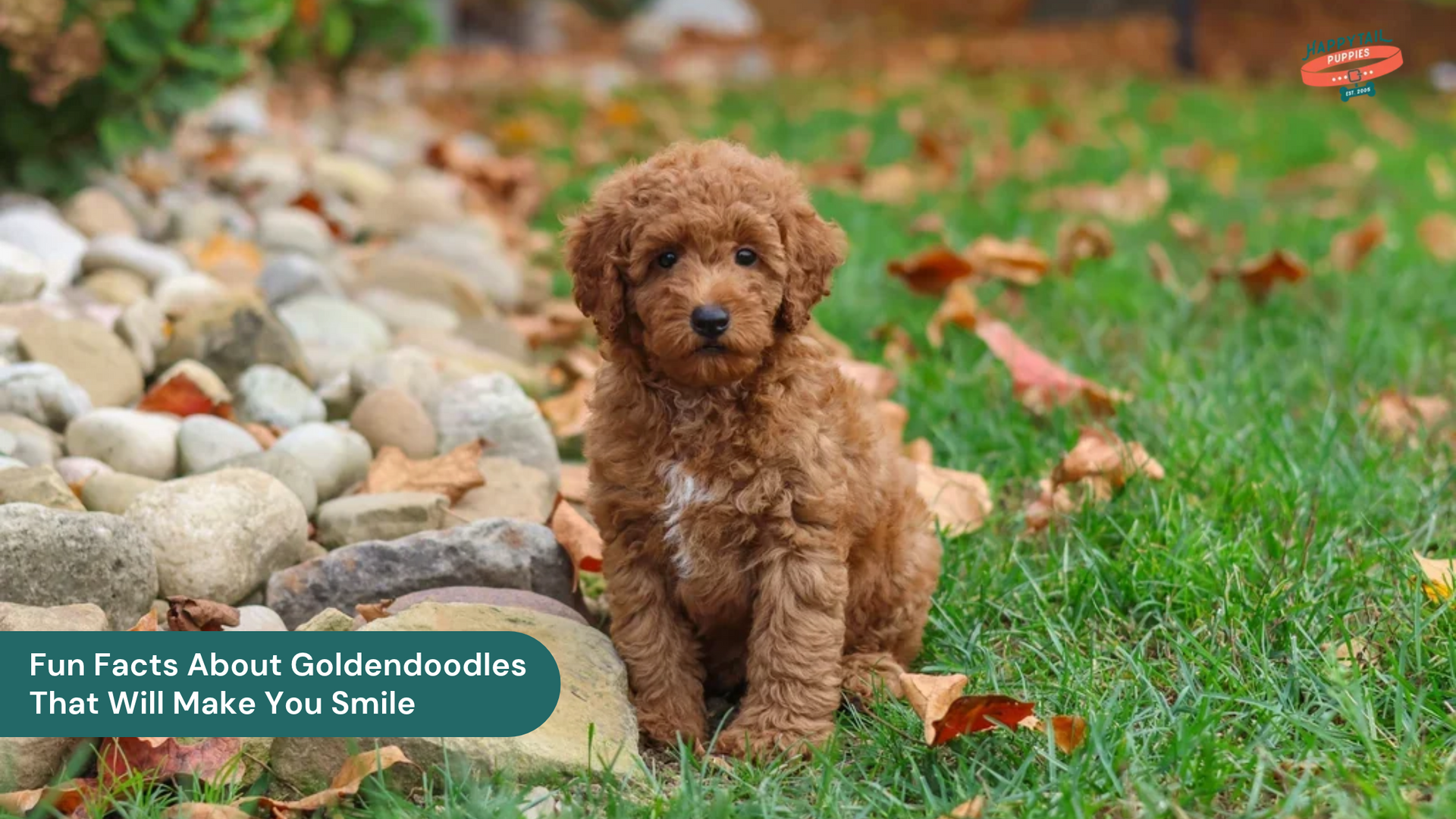
Goldendoodles are full of surprises, from their playful personalities and love of water to their unique coats and clever habits. Explore 15 fun facts that make these lovable dogs so special.
Most Goldendoodle owners will recognize the happy moments when their dog trots to the door with their favorite toy to say hello. This cheerful greeting comes from the natural traits of this popular cross between a Golden Retriever and a Poodle.
Goldendoodles aren't all alike because they aren't a standardized breed. Their looks and behavior can vary, making it exciting to discover what makes each dog unique. These dogs are known for their friendly personalities and varied coat types, offering plenty for families to enjoy. That’s also why Mini Goldendoodle puppies, like their larger relatives, can surprise you in the best ways.
Where Goldendoodles Come From
Although their story is short, it is fascinating and starts with their two parent breeds. Together, these facts explain how Goldendoodles became the dogs we know today.
🐾 The Name is Only About 30 Years Old
Since the 1990s, breeders in the United States and Australia have used the name Goldendoodle for crosses between Golden Retrievers and Poodles. This suggests the name is relatively new, dating back about 30 years.
What it actually means today:
- A relatively new cross
- Limited extensive research done so far
- Experience that continues to grow each year
Since the cross is relatively new, ask the breeders and your vet for guidance, and check every detail of its history before trusting them.
🐾 A Cross, Not a Standardized Breed
A Goldendoodle is a cross between two breeds, and major kennel clubs such as the AKC don’t list it as a breed with any fixed standard. As a result, traits often vary from one dog to another.
Things that vary are:
- Coats that differ between siblings
- Size relies on the parents
- Personality that varies from individual to individual
Since no two Doodles look the same, meet the puppy’s parents whenever you can. Also focus on the individual dog instead of expecting only one set of patterns.
🐾 Both Parents Began as Water Retrievers
Originally, Poodles were bred as water retrievers. People developed Golden Retrievers to retrieve waterfalls for hunters. As a result, both parent breeds have a long history of working happily with people in and around water.
Here are the traits that these dogs carry:
- Keen interest in splashing and swimming
- A stronger urge to fetch
- Love to work with people
These shared roots help explain why most Doodles enjoy water and playing fetch. This gives you more safe chances to enjoy both while you keep a close watch to ensure your dog’s safety.
Coats, Colors, and Sizes
One of the biggest differences between Goldendoodles is their looks. Here are some Goldendoodle fun facts that explain why one Doodle can appear different from another.
🐾 No Two Coats are Quite Alike
Coats are shaped based on different genes from both parents. That is why Goldendoodle coat types can range from shaggy and straight to loosely wavy to tightly curly, even among puppies born in the same litter.
Common type of coats looks like:
- Shaggy, straight, and relaxed
- Loose, soft, flowing wavy coats
- Tight, springy, and bouncy curls
Since coat type can impact how often a dog needs brushing, ask the breeder about the parent’s coats and plan an entire grooming routine that matches your selected puppy.
🐾 Colors can Shift as They Grow Up
Most breeders and owners report that a Goldendoodle's coat color lightens or darkens slowly as the puppy grows into adulthood. This is based on an owner’s observation and not something every dog does.
Changes that a few of the owners notice are:
- Few shades that fade with age
- Others would darken over time
- Changes that happen gradually
Since the final color is hard to predict, always choose a pup based on health and personality first. Enjoy watching your dog’s coat change.
🐾 They Come in a Wide Range of Sizes
A Goldendoodle's size depends mainly on its Poodle parent, and Doodles come in multiple sizes, from Miniature to Standard. So, expected adult height and weight vary widely from dog to dog.
Size ideas to understand about this dog:
- Smaller dogs are best for smaller homes
- Larger dogs will need more space
- Varied weights within each size
Also consider your home size, lifestyle, and budget before selecting a size. Keep in mind that the adult size can sometimes differ from an early estimate.
Let’s take a quick look at the three common Goldendoodle sizes.
| Size | Usual Poodle Parent | Typical Weight |
|---|---|---|
| Miniature | Miniature Poodle | About 15 to 35 pounds |
| Medium | Mix of Poodle Sizes | About 36 to 50 pounds |
| Standard | Standard Poodle | About 51 to 80 pounds |
Smart, Social, and Surprisingly Versatile
Goldendoodles are well-known for more than their good looks. These fun facts show how their smarts and friendliness shape their daily lives.
🐾 Parent Breeds Rank Among the Most Trainable
Stanley Coren's well-known book, “The Intelligence of Dogs,” ranks the Poodle second and the Golden Retriever fourth for working and obedience intelligence among breeds. However, those rankings reflect the parent breeds, as not every Goldendoodle will share those traits.
Training strengths that most owners find in these dogs are:
- Most of them start learning from new cues quickly
- Food rewards that work well
- Shorter sessions keeping higher focus
Most Doodles respond pretty well to positive training. So, it’s important to start sooner, keep sessions short and happy. Remember that each dog learns at its own speed.
🐾 They Tend to be People-Oriented
Most owners will describe a Goldendoodle’s temperament as warm, loving, and people-oriented. This reflects the friendly nature of both the Golden Retriever and the Poodle. However, this is a typical owner observation, as individual dogs might differ.
Habits that owners often describe are:
- Happily greeting families
- Often follows you around from one room to the other
- Most would love joining your activities
Since most Doodles enjoy company, add practice sessions at times different from your dog’s routine. This helps dogs learn to stay calm when you’re busy.
🐾 Mixed Breeds Can Join AKC Activities
The AKC Canine Partners program often welcomes mixed-breed dogs. So, Goldendoodles often participate in several AKC sports and events, including agility, rally, and obedience, even though they aren’t a recognized AKC breed.
Activities that are worth exploring are:
- Agility and obstacle courses
- Obedience and rally classes
- Tracking and other sports
Also check the current rules of every event and sign-up steps on AKC’s official website. Start with a beginner class to find out what your dog enjoys most.
🐾 What the Latest Data Shows
According to the American Veterinary Medical Association, pet dog ownership in the United States increased from 76.8 million to 88.9 million. It also reports that the average pet-owning household includes children under 17, indicating how many families share their homes with dogs.
Retriever Instincts at Home
Goldendoodles often show their Retriever traits through daily activities, from enjoying the yard to resting indoors. The Goldendoodle fun facts we’ve shared reveal what such instincts might look like.
🐾 Many Love Water
It’s easy to see why most Goldendoodles love splashing, wading, and swimming, thanks to their water-retrieving ancestors in both parent breeds. However, not all dogs like water; some might need time and gentle encouragement to feel comfortable around it.
Here are some easier ways to start:
- Splashing in shallow puddles
- Wading at calmer shorelines
- Swimming under close supervision
Also introduce water gradually, keep a close watch on your dog, and rinse and dry their coat later, as this can help keep their skin comfortable and prevent curls from tangling.
🐾 They Often Carry Things in Their Mouths
Retrievers were primarily bred to pick up and carry game gently. This is why most Goldendoodles love to carry toys, shoes or socks around the house, bringing them to the people they love.
Carrying habits that you might notice in your dog are:
- Bringing toys to the door
- Carrying slippers and socks
- Holding their favorite stuffed toy
Also trade the item for a treat or a toy. Keep small or unsafe objects out of reach so carrying remains a harmless, happy habit.
🐾 They Need Brain Work as Well as Walks
Both parent breeds were mainly bred to work closely with people, so most Goldendoodles love mental stimulation along with regular exercise. Boredom can also show up as chewing, barking, or restlessness around the house.
Easiest brain games dog owners can try are:
- Food puzzles and snuffle mats
- Short training games indoors
- Hide-and-seek games with toys
Even ten minutes of mental play can help a busy Doodle settle down later. Try mixing a puzzle or training game into their routine.
Everyday Quirks Worth Knowing
Pet owners will often find the most charming facts show up in daily life. All the facts can help you understand this Doodle better.
🐾 They Read Your Face
Most Goldendoodle owners say that their dog seems to notice every change in their expression. This is a general owner observation, not a proven breed trait. However, research shows that dogs in general can watch human faces very closely.
Moments that owners often say about are:
- Also watch your dog while you talk
- Look up to you when you smile
- Pausing whenever you look serious
Since your dog is watching, use a calm voice and relaxed face during training, and reward good choices with a treat or a smile.
🐾 "Low-Shedding" Does Not Mean Allergen-free
Most Goldendoodles shed less. However, no dog is completely allergen-free because allergens come from saliva, dander, hair, and urine. Each person would react differently to each dog.
Where allergens can travel across a household:
- Dander settles on floors
- Saliva reaching furniture
- Reactions that differ between people
If allergies are your main concern, spend time with a dog before deciding and ask the right question: “Are Mini Goldendoodles hypoallergenic?”
🐾 Size Influences How Long They May Live
Smaller dogs typically live longer than larger dogs. So the Poodle parent’s size might affect a Mini Goldendoodle's lifespan, though individual health and care matter a lot.
Key aspects that shape their long life are:
- Parent’s health and genetics
- Healthier weight and diet
- Regular vet checkups and care
Most owners plan for the year ahead by giving their dogs a longer life, since their decisions will determine how long these adorable dogs live.
Final Thoughts
Goldendoodles are known to win the hearts of millions of dog owners worldwide. Their main appeal is their warm personalities, playful curiosity, and endless variety, as every Doodle has a tale to tell. You can also learn about those small differences, one of the joys of sharing your life with one. When you’re ready to meet the smaller version, check out our Goldendoodle page to get started.
Frequently Asked Questions
Are Goldendoodles good family dogs?
Most Goldendoodles are gentle and friendly with children. That's why most households enjoy having them. Since every dog is different, keep a close eye on younger children and teach them gentle handling from the start.
Are Goldendoodles good for first-time owners?
Goldendoodles are a great fit for first-time owners who love training and can commit to regular grooming, since most Doodles learn quickly. They also need time, exercise, and patience, especially during puppyhood.
At what age do Goldendoodles calm down?
Most Goldendoodles start settling around two to three years old. However, this can vary from dog to dog. Steady exercise, training, and routine can help a younger Doodle to learn calm habits sooner.
Can Goldendoodles be left alone?
Some Goldendoodles can manage shorter periods alone once they’re comfortable and trained. However, most of them form a close bond with their people. So build alone time slowly, and consult your vet if your dog seems anxious.
How often does a Goldendoodle need grooming?
Most Goldendoodles need brushing a couple of times a week and a trim or professional groom every six to eight weeks, depending on coat type and length. Regular care can also help prevent painful mats.