

Dog Water Intoxication: Warning Signs and Safety Tips
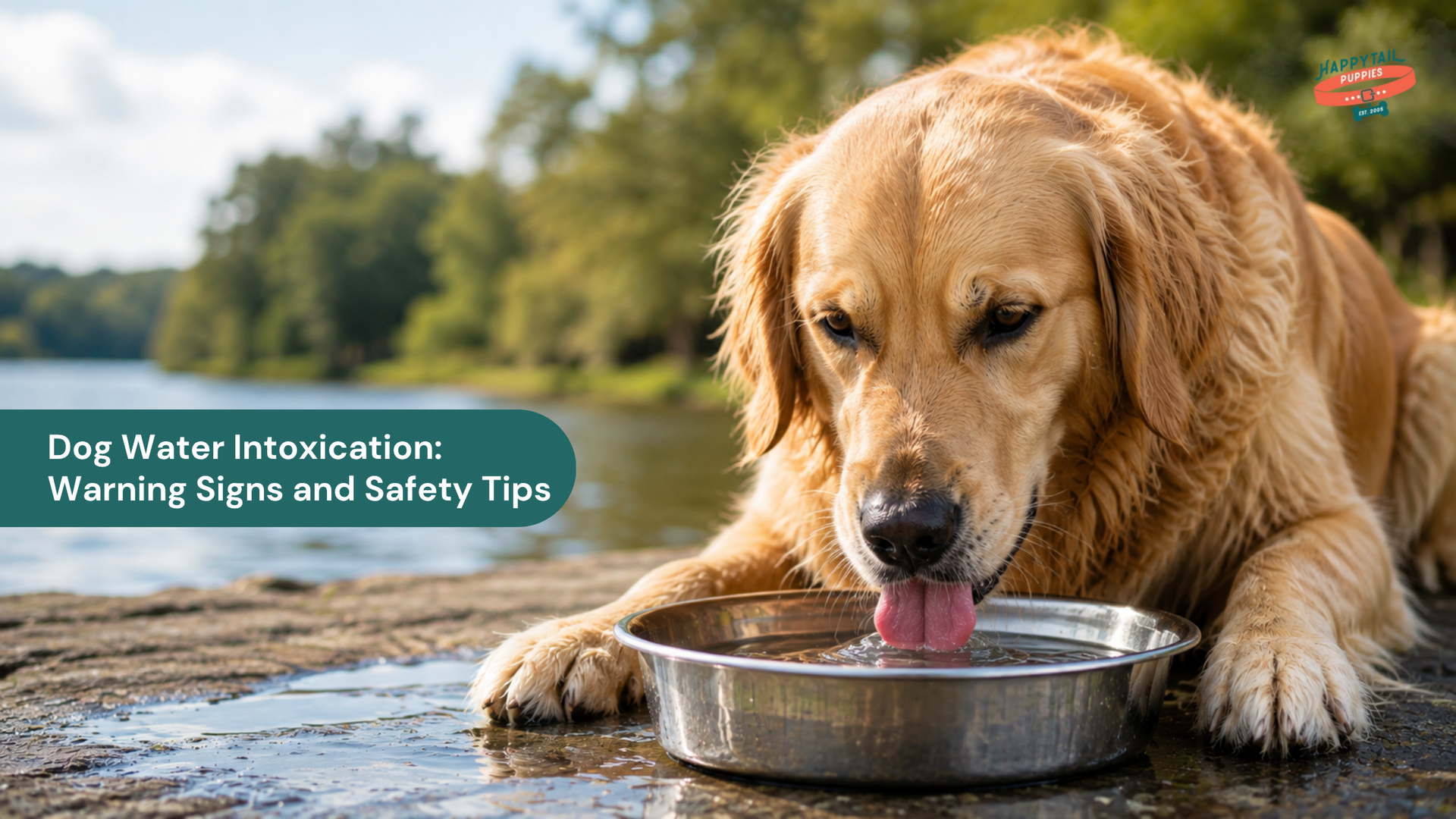
Water intoxication in dogs is rare but can become serious quickly. Learn the warning signs, which dogs face higher risks, and simple ways to make swimming, fetch, and water play safer.
⚡Quick Answer
Dog water intoxication can occur when a dog drinks excessive water too quickly, causing dangerous electrolyte imbalances. Watch for vomiting, bloating, weakness, confusion, excessive drooling, or seizures. Prevent it by offering water regularly and monitoring dogs during swimming or play.
🐾 Table of Contents
Dogs that swim for long stretches, snap frequently at a hose or sprinkler system, or dive after toys thrown into a pool are the ones most at risk. Water intoxication hardly gets the same amount of focus as heatstroke or dehydration. However, it’s an equally narrow window to enter before things become serious.
Pet owners should understand how the condition develops. This pushes a dog towards it. Early symptoms give owners a real chance to detect it sooner. For instance, owners of small dog breeds like a Mini Bernedoodle puppy should pay closer attention during early water play, since they can reach concerning levels of water intake quickly. None of this implies that water should be avoided, as most swims and splash sessions end without issues.
⚡At a Glance
- Water intake stresses out kidneys as sodium levels drop
- Retrievers and heavy swimmers face the highest risk exposure
- Symptoms appear in a matter of hours of extended water play
- Bloating, vomiting, and stumbling are common early warning signs
- Immediate vet treatment enhances recovery odds
Understanding Water Intoxication in Dogs
It’s common for pet owners to assume that a dog can hardly overdo it with water the way it can with food. The risk surfaces elsewhere, such as in a pool, lake, or under a hose, where water gets swallowed more rapidly than the body can clear it. Overall, they are uncommon. However, they accumulate over time during warmer months and water-heavy activities. That’s exactly when most owners are least on guard.
Let’s explain how the condition develops. We’ll also look at scenarios when the risk is highest, how to tell a tired dog from a dog in trouble, how vets treat it, and everyday habits that keep your swim days safe.
How Dogs End Up Swallowing Too Much Water
Water intoxication rarely comes from thirst. It comes from play that involves a dog's mouth being in the water far more than its owner realizes.
The most common triggers include:
- Repeated fetching from a pool or lake
- Long swims without a break on land
- Biting or snapping at a hose stream
- Struggling to keep the head above water
-
Gulping water right after hard exercise
Because none of these look dangerous at the moment, the condition often catches owners off guard until symptoms are already underway.
When the Risk Climbs Highest
Certain settings make water intoxication far more likely, even when a dog isn't doing anything out of the ordinary.
Keep a closer eye during:
- Hot summer afternoons at the lake
- Extended pool days or beach trips
- Dock diving or repetitive fetch games
- Unsupervised time near a running hose
- High-energy group play with other dogs
Longer, more exciting sessions are almost always where things go wrong, which is exactly why built-in breaks matter more than any single rule.
Why Some Dogs Face Higher Risk Than Others
Certain traits, activities, and life stages make specific dogs far more vulnerable than others during what looks like the same water session.
🐾 Breed and Body Type Shape Exposure
Retrievers, spaniels, and other breeds built to work in or around water often show an almost compulsive drive to keep swimming or fetching long after a more casual dog would happily climb out and rest. That same enthusiasm and drive is precisely what puts them at the front of the risk line during long play sessions.
What that drive typically means in practice:
- Longer stretches of uninterrupted time in water
- Instinct to self-limit intake
- Smaller-bodied dogs reaching overload faster
Owners of these high-drive breeds often need to set the limits that their dogs simply won't set for themselves.
🐾 Activity Type Changes the Math
Different forms of water exposure may not carry the same risk, even if the amount of time spent around water looks similar. A dog relaxing in a kiddie pool is on a different wavelength than a dog that dives after a toy that sank to the bottom.
What raises the stakes fastest during play:
- Retrieving toys thrown underwater continuously
- Using jaws to bite and snap hoses or streams
- Struggling against the force of the water
Any activity that requires a player to swallow substantial amounts of water as part of the game warrants utmost scrutiny.
🐾Pro tip🐾
Replace round tennis balls with a flat disc toy. Round toys that sit further back in the mouth cause dogs to gulp more water as they carry them.
🐾 Age and Health Status Matter
Puppies or senior dogs, as well as those already dealing with kidney or heart challenges, cannot manage sudden fluid shifts with the ease of a healthy adult dog in its prime.
What tends to tip the balance in these cases:
- Smaller kidneys still developing in puppies
- Older dogs with organs not working as well
- Normal regulation of fluids influenced by conditions
When water intake suddenly spikes, a puppy that’s already working just to manage everyday fluid balance has not much room for error. When selecting a puppy, a lifetime health guarantee may also provide reassurance about the breeder's commitment to the puppy's health.
🐾 A Rapid Sodium Shift
When a dog swallows a lot of water, it dilutes the sodium in its blood. That drop pulls fluid from nearby cells, including brain cells, faster than the body can manage.
What that shift tends to involve:
- The sodium levels rapidly decrease
- Fluid enters the brain cell
- Intracranial pressure increases
The early wobbling, confusion, and vomiting result from the same process occurring in the brain.
Symptoms That Signal Trouble
Once the signs & symptoms start to appear, things tend to escalate quickly, so knowing what to look for is vital.
Watch for:
- A belly that feels swollen or overinflated
- Difficulties in standing or walking
- Regurgitation, drool, or glazed eyeball
- Feeling uncharacteristically sluggish or disoriented
- In later stages, convulsions or fainting
If you see even one or two of these signs after prolonged water play, call your vet right away. One of the biggest mistakes an owner can make with this condition is waiting to see if the symptoms will pass.
What Treatment Looks Like at the Vet
A quick trip to emergency care can change the outcome more than anything else. There, treatment focuses on correcting sodium levels without shocking the body.
What that process usually involves:
- Blood test for sodium levels
- IV fluids should slow sodium rebalancing
- Keeping an eye on brain swelling
- Care to support when sick or having seizures
The gradual increase in sodium in dogs is necessary to avoid complications from a sudden jump in levels. Mild cases often stabilize within hours, while severe cases may require days of monitoring to recover.
🐾Pro tip🐾
Contact your vet or emergency clinic when you’re already on the road. The team, meanwhile, has time to prepare, and those few minutes of delay may matter.
Building Safer Water Habits Over Time
All this doesn’t mean restricting a water-loving pup from swimming in pools and lakes. Making it fun means building a few habits into every outing so play stays fun instead of risky. To support safe swimming for dogs, start with scheduled breaks, close supervision, and toys that limit unnecessary water swallowing.
Habits worth building:
- Schedule some rest times for your swims
- Select flat toys instead of round ones
- Keep an eye out for early fatigue
- Allow dogs to rest and relieve themselves
- Use a life jacket for weaker swimmers
According to the American Kennel Club, every 10 to 15 minutes of water play should be followed by a break on land, as overexertion causes a dog to swallow more water. One of the simplest ways to reduce risk over the long term is to build that rhythm into every swim session.
Practical Steps for Every Water Outing
Symptoms can be influenced by genetics and size, but supervision during play does not prevent the emergency from occurring in the first place.
Before the next trip to the water:
- Every 10-15 minutes, set a timer for a break
- Use a flat toy rather than a ball
- Do not use the hose for play
- Frequently assess your energy levels
- Have an emergency vet location handy
No harm ever comes from a missed break. Long unsupervised sessions are where real risk builds.
Let the Water Stay Fun, Not Risky
Water intoxication is uncommon, but it isn't random. Almost every case traces back to the same root cause. Too much time in the water without a pause, and that's something well within an owner's control.
A good swim day and a bad one usually come down to the same small choices: watching for fatigue, picking the right toy, and building breaks into the routine before they're needed, not after.
Before your dog's next trip to the water, set a 15-minute timer and keep half an eye on how they're moving. It's a small habit that keeps every swim day exactly what it should be, fun for both of you.
Frequently Asked Questions
What exactly is water intoxication in dogs?
It's a sharp drop in blood sodium, caused by swallowing large amounts of water quickly, usually during swimming or repeated fetching. Vets call it hyponatremia, and it's considered a genuine emergency once symptoms appear.
How quickly do symptoms appear?
Often within 30 minutes of heavy water play, though some cases take a few hours to become obvious. Once signs do show up, they tend to move quickly from mild to severe.
Which dogs are most at risk?
Small dog breeds are at higher risk because they swallow less water, which can throw off their sodium levels. Strong swimmers who fetch repeatedly are also at higher risk regardless of size or breed.
Can a dog get water intoxication from its water bowl?
Not really. Almost every documented case comes from swimming, fetching, or hose play, not from normal drinking at home, even on hot days.
Is water intoxication treatable?
Yes, especially when caught early. Vets correct sodium levels gradually with IV fluids and monitor for swelling, and most dogs recover well with prompt care.
Should I stop letting my dog swim altogether?
No. Swimming is great exercise for most dogs, and the water itself isn't the problem. Pacing play with regular breaks is what keeps it safe.