

How to Keep Puppies Warm and Active Indoors During Winter
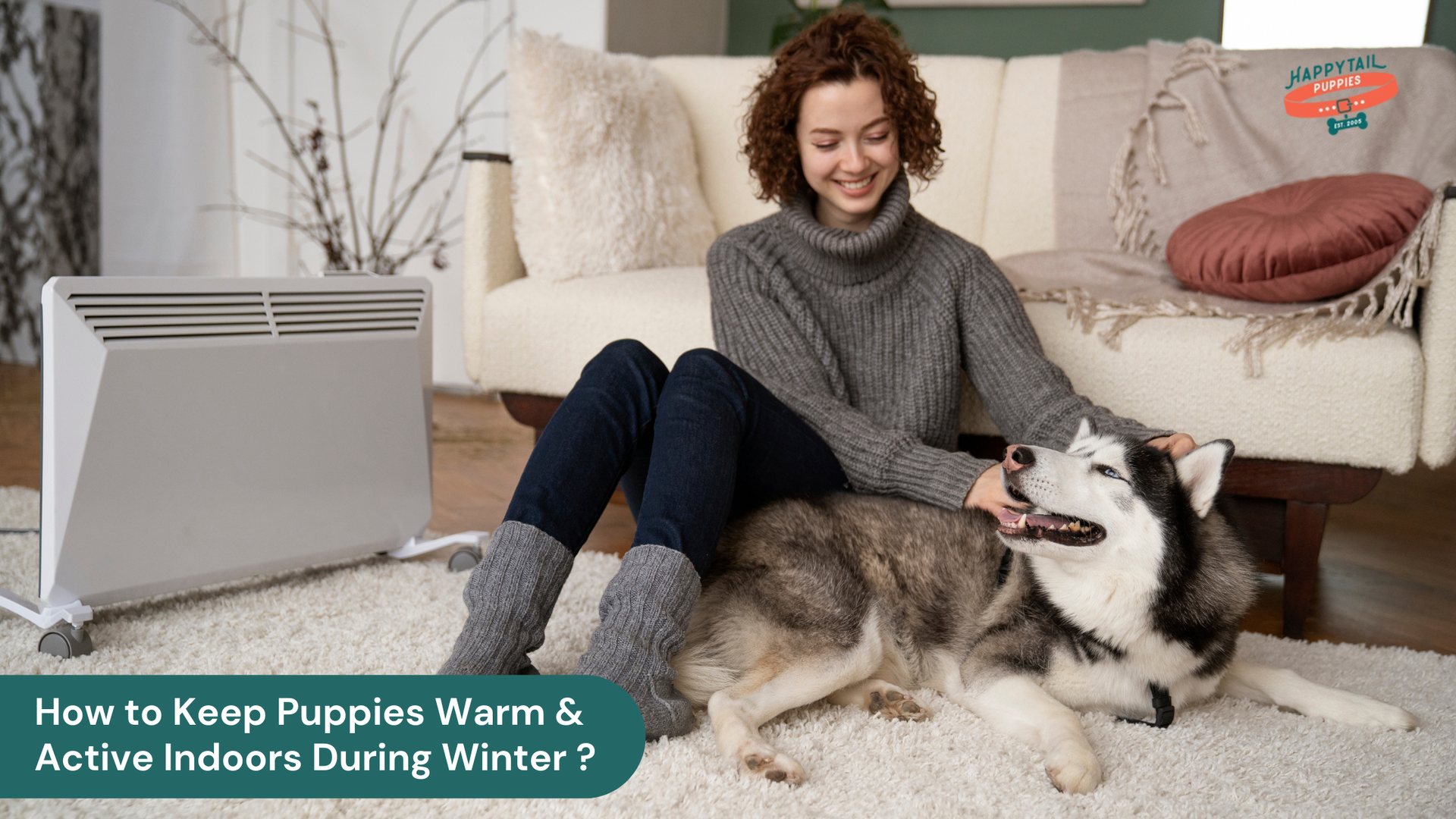
Discover how to safeguard your growing puppy's comfort and energy during winter. Focus on meeting their unique needs for warmth, balanced activity, and safe indoor living.
🐾Table of Contents
It is common for pet owners to find visible changes in their pup's schedule since outdoor time gets limited and indoor temperatures appear chilly for those small growing bodies. Caregivers are often on the lookout for ways to safeguard their pup's overall comfort while encouraging them to keep their natural energy levels the same indoors.
Each season carries with it its own set of challenges that shape how a young dog grows, learns, or responds to daily care. In our post today, we are going to share the important winter dog care strategies ideal for developing puppies.
Understanding Winter Needs for Puppies
- Cold Response: The cold, chilly temperatures for the pups are more intense than the adult dogs since their smaller bodies start losing heat rapidly. Careful monitoring can help these pups stay comfortable throughout the seasonal transitions indoors.
- Growth Activity: Younger puppies need a steady activity to strengthen their coordination and muscles. Daily routines are enhanced when keeping the dog active in winter, which develops through gentle movement throughout the day.
- Skin Hydration: Dry-heated rooms often reduce the natural oils that protect your pup's delicate skin. Moisture balance supports their healthy coats, preventing any sort of irritations while being indoors for a long time.
- Energy Support: Smaller pups like a Teacup Toy Yorkie tend to burn more calories for staying warm. Consistent feeding routines can help stabilize their energy, ensuring healthier development of the puppies throughout the cold time they spend indoors.
-
Learning Adjustment: It is important for the younger dogs to adapt to the seasonal schedules. Proper type of guidance can help reinstate positive behavior in pups, helping them to stay comfortable during the chilly winter months.
How to Keep Puppies Warm Indoors
Indoor warmth is easier for younger pups since their soft, fragile bodies struggle to maintain heat in the colder months. Stable indoor space improves their overall comfort, creating predictable, safe zones supporting their healthier development.
Cozy Sleeping Corners
Providing warm bedding for the pups in quiet areas of the home offers greater security, especially during the cold seasons. The bedding that comes with multiple soft layers helps in conserving body heat, creating a calm rest environment.
Puppies tend to settle comfortably into the textures around them. Several dog winter care tips emphasize the importance of calm sleeping areas, promoting complete rest and encouraging healthier immune function during the colder days.
Safe Indoor Heating
Creating a secure heating setup can help pups stay warm without risk. Automatic shutoff heaters and the ceramic units offer more temperature stability.
A recent report by the American Veterinary Medical Association (AVMA) highlights that household heating-related pet injuries increase during the colder months, reinforcing the importance of safety awareness. The strategic placement offers puppies more warmth, helping pups explore freely without posing any risks.
Appropriate Winter Clothing
The sensitive breeds can stay warm with soft, breathable sweaters. Breeds like a Teacup Toy Maltese benefit greatly from the lightweight layers that prevent any sort of heat loss when they move indoors.
The comfortable garments help the pups stretch, play, and rest without any sort of discomfort. Gentle clothing often supports confidence, since younger pets learn that warm indoor moments can be pleasant and predictable during the cold seasons.
Floor Warmth Enhancers
Plush mats and area rugs protect paws from cold surfaces, helping maintain body temperature. As reported by the Centers for Disease Control (CDC), cold flooring can cause a lot of discomfort for animals who are kept indoors in the winter months.
Softer padding helps pups to move around freely, promoting their muscle development. Younger dogs feel safe in exploring homes, including the warm walkways that align well with their delicate paws.
Dry Coat Maintenance
Wet fur often brings down body temperature rapidly, and therefore drying is important here. Towels placed near the entry points can keep your pups warm right after quick outdoor breaks. The consistent grooming routines can strengthen trust while maintaining a clean, soothing coat.
The right type of care can enhance the training progress, which is connected to the routines. It also helps to stop a pup from peeing in the house since structured habits often create better behavior patterns.
Indoor Exercise Strategies to Keep Puppies Active
Winter months limit outdoor play for your pup, and this means that indoor activities should replace those exercise sessions you had for your pup. Indoor games for dogs reduce any chances of boredom, supporting their healthier growth.
Soft Toy Fetch
Short fetch sessions give your pups a chance to release their energy. For breeds like a Teacup Shih Tzu, gentle toys can help protect their smaller joints, boosting their confidence. Pups love quick interactions that stimulate movement without causing stress to their small bodies.
Indoor fetch games can also help maintain a healthier balance during winter, when outdoor areas can feel extremely cold for extended play.
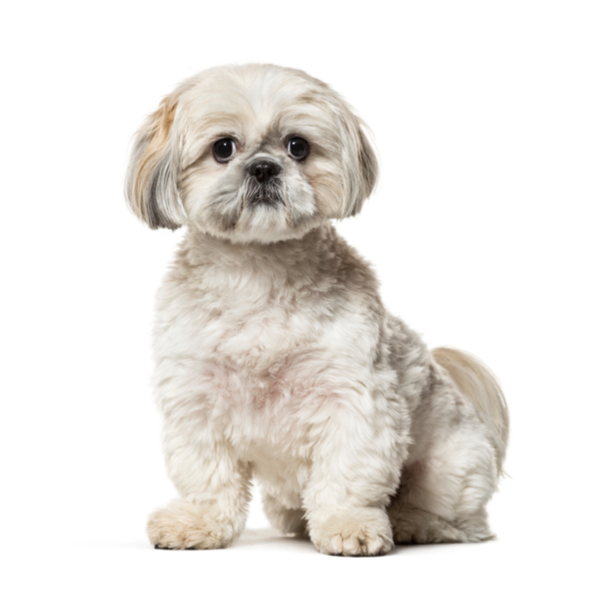
Find Your Perfect Shih Tzu
Discover the perfect affectionate and loyal companion for your home!
Explore Shih Tzu Puppies for Sale →
Interactive Puzzle Games
Puzzle toys often boost your pup's thinking skills, especially when presented through the treat-seeking challenges. As reported by the AVMA, the increased use of enrichment tools during winter can better support indoor activity needs.
Furthermore, mental stimulation builds better patience and focus, improving your pup's behavior. A gentle puzzle session can keep your pups busy during the extended winter afternoons indoors.
Home Obstacle Paths
Low-level furniture and cushion chairs often create safer routes, encouraging natural explorations. Pups build better coordination through gentle climbing and dealing with the soft obstacles. The improved confidence arises since such setups promote better independence.
The clutter-free layouts and following basic home fire safety approaches create a safer space for the playful pups to keep them safe in the colder indoor months.
Slow Strength Building
Small step-ups and low gradient movements are helpful in muscle growth and balance. According to CDC guidelines, guided exercise helps young pets to minimize the risk of injuries in the indoor seasons.
Repetition is also used under control so that the puppies learn how to move their bodies and enhance stability. Relaxation during these sessions boosts confidence and trust.
Indoor Scent Adventures
Scent games are used to make puppies use their natural instincts in searching for treats. Activities are not intense, but highly involved since they stimulate the mind.
The seasonal excitement is compounded by the caretakers adding toys relating to a Holiday Gift Guide for Pups that is often filled with scent-based enrichment. The smell activities every day enhance cognitive development in winter.
Grooming Practices That Help Retain Warmth
- Coat Brushing: Coats are kept smooth through regular brushing, and this enhances natural insulation. The loose fur is stripped away, and healthy oils are evenly spread to make the puppies feel warmer.
- Warm Drying: Outdoor breaks are dried with soft towels. Dry coats help reduce the risk of chills and keep puppies comfortable during long indoor rest periods.
-
Paw Conditioning: Moisturizing balms are used to soften the paw pads, which tend to crack during winter. Regular conditioning safeguards comfort and aids proper indoor motion.
Safety Considerations During Indoor Winter Care
- Heating Awareness: The puppies are kept safe in the wintertime with heaters installed safely away from the play sections. Safety facilities are automatic, minimizing risks and providing more dependable warmth during the day.
- Air Quality Support: Humidifiers ensure comfortable breathing conditions during winter. AVMA points out that respiratory problems are caused by dehydrated indoor air, which makes the moisture balance significant for the growth of puppies.
-
Winter Hazard Control: Puppies are exposed to the dangers of loose cords, small decorations, and unstable furniture. Close monitoring makes home exploration in cold months safe.
Daily Winter Care Framework for Growing Puppies
- Warm Morning Start: Light morning exercises help the puppies level their energy and be comfortable enough to spend winter days indoors.
- Structured Feeding Rhythm: Consistency in the spacing of balanced meals throughout the day helps maintain warmth and support consistent growth in developing puppies during winter.
- Active Play Blocks: The short play sessions cause healthy stimulation that keeps the puppies entertained and fosters improved physical growth.
- Restful Midday Quiet: Relaxing nap areas enable puppies to rest their bodies while keeping their emotions stable, even on cold afternoons.
-
Cozy Evening Winddown: Cozy conditions and bonding moments help the puppies achieve more profound, more restful nighttime slumber.
Conclusion
In cold climates, the way puppies learn and rest is redefined, making winter routines necessary for their healthy growth. Planning is carefully done to provide environments that facilitate stability, comfort, and emotional well-being. Each indoor activity or warm care method helps form the future habits that define adulthood.
Puppies are well brought up when they are taken through consistent winter activities, which safeguard their bodies and develop their minds. The small regular measures bring positive long-term changes that can make everyday life better during winter.
Related Articles: