

How to Potty Train a Shih Tzu Puppy: A Step-by-Step Guide
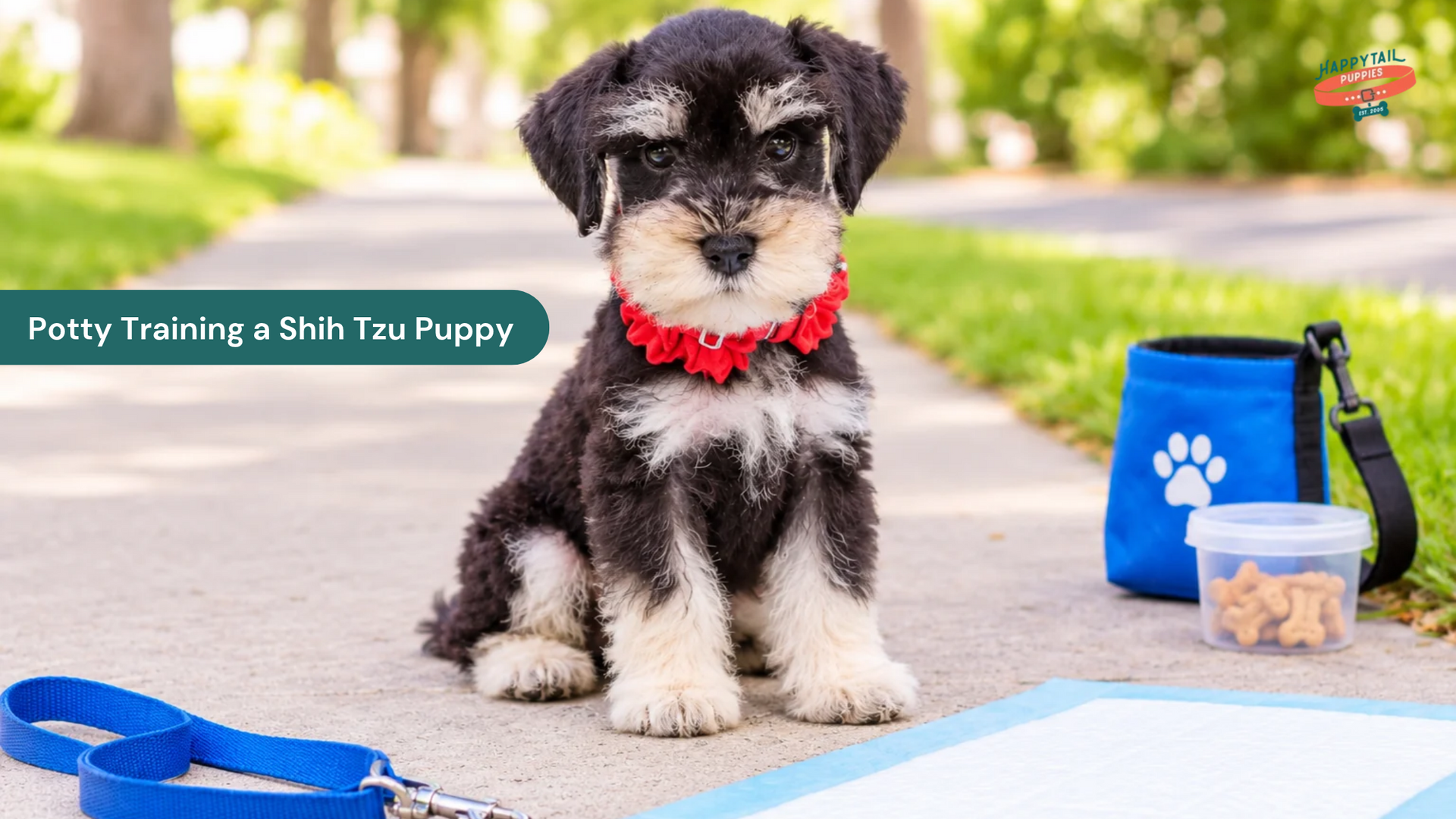
Potty training a Shih Tzu puppy takes patience and consistency. Follow simple steps, establish a daily routine, recognize potty signals, and reward good behavior to make house training easier.
⚡Quick Answer
Potty training a Shih Tzu puppy requires a consistent schedule, frequent potty breaks, and positive reinforcement. Take your puppy outside after waking up, eating, drinking, and playing. Reward successful attempts, watch for signs that they need to go, and clean accidents without punishment. With patience and consistency, your Shih Tzu will gradually develop good potty habits.
Potty training means teaching your puppy where and when to go. It works perfectly when the routine remains the same every day. Since Shih Tzu puppies are small dogs, their bladders are small too. This means that they will need frequent trips outdoors and patience from their owner and the entire family.
This breed is independent, so clear steps, immediate rewards, and a consistent schedule can make training easier. Teaching your puppy these habits sooner can give your dog a strong foundation. This same gentle approach works for almost every size, from standard puppies to toy or Teacup Shih Tzu puppies.
Why Potty Training a Shih Tzu Takes Patience
Since small dogs have smaller bladders, success in house training comes from several small wins. These points explain why your puppy needs time.
Why potty training takes time:
- Extremely small bladders will fill quickly
- Puppies are still learning how to control their bladder
- Independent personalities will require clear guidance
- Distractions outdoors are often exciting
As progress comes one step at a time, celebrate each accident-free day and maintain the same routine when your puppy seems to have forgotten the lesson.
Step-by-Step Potty Training for Your Shih Tzu Puppy
Here are a few simple steps in order. Repeat them almost every day. This will help your puppy learn what to do and improve their potty training.
🐾 Set Up Your Potty Training Space
Select a single outdoor potty spot that’s close to your door and use it almost every time. Guiding your puppy to that spot on a leash will teach them the location, and the familiar scent will remind them why you are there.
A few basics to set up a space:
- Choose a single consistent potty spot
- Lead your puppy on a short leash
- Keep an enzymatic cleaner handy
Also make sure the hair around your puppy’s bottom is trimmed. That’s why owners need to know about common grooming tips for Shih Tzu, as this will prevent urine from soaking their coat.
🐾 Build a Consistent Schedule
Younger puppies will have to go out frequently. So set up regular trips throughout the day around your puppy’s mealtime, sleeping and playing. A consistent schedule can help your puppy learn when to expect a break and follow a routine.
Perfect times to take your puppy outside:
- Make it a habit first thing every morning
- After naps, meals, and play
- A single last trip right before their bedtime
A steadier rhythm will work for almost any breed. So, it’s important to understand how to potty train your dog and get new routine ideas that are easier to follow.
Here’s an easier routine that fits your schedule as your puppy grows.
| When | What to do |
|---|---|
| After waking up | Go straight outside |
| After each meal | Take a potty trip |
| After drinking water | Offer a quick trip |
| After naps | Go outside right away |
| After active play | Offer a quick break |
| Before bedtime | Take one last trip |
🐾 Learn Your Puppy's Signals
Typically, puppies show small signs before they go. Detecting them early can prevent accidents. Keep a close watch during playtime, as a Shih Tzu puppy may look fine one moment and need a potty break the next.
Key potty indicators:
- Intensely sniffing the floor
- Circling a single spot
- Heading towards the door when the need arises
Whenever you notice any of these cues, calmly lead your puppy outside right away. Also monitor your puppy indoors so you never miss them.
🐾 Reward Success Right Away
Always give small treats and praise immediately after your puppy finishes outside, since they connect rewards with the action that earned them. Waiting to give a treat until you come back indoors can confuse your puppy about who earned the reward, so keep treats handy.
Here’s how a reward routine will work:
- Remain outside till your puppy is done
- Praise them
- Offer them a tiny treat immediately
Use the same praise word each time to help your puppy connect the command with the action. So, always keep your voice calm, cheerful and extremely consistent.
🐾 Handle Accidents Calmly
Accidents are a normal part of your puppy’s learning process. So, always remain calm and avoid scolding your puppy, as this can teach them to hide when they need to go. Interrupt gently, take your puppy outside and clean up immediately after them.
Calm accident responses that work:
- Avoid yelling and interrupt gently
- Take your puppy outside
- Clean up using an enzymatic cleaner
If accidents continue, review your schedule and learn how to stop puppy peeing in the house as an additional measure, which is important alongside house training.
Making Potty Training Easier in Real Life
Regular life will expose your puppy to several factors, including weather, visitors and busy schedules. Owners will find all the following situations challenging to manage:
🐾 Be Patient With Small Bladders
Smaller puppies will find it tough to hold their urine for too long. Small dogs, such as a Teacup Shih Tzu puppy, will need to go out frequently. Bladder control will improve with age, so expect your puppy to go longer between breaks.
Useful reminders about your puppy’s bladder control:
- Offer your puppy frequent breaks and adjust timing accordingly
- Avoid longer gaps between each trip
- Watch for steadier and slower progress
As your puppy is in their growth stages, extend the time between each trip and return to shorter intervals if accidents happen frequently indoors. But remember, setbacks are a normal part of your puppy’s learning process.
🐾 Make Bad Weather Manageable
Some small dogs dislike wet, cold or windy ground. A puppy might refuse to go outside in the rain. So, preparing ahead of time can keep your routine steady and reduce the risk of indoor accidents.
Here are some tips to follow in such weather conditions:
- Make use of a covered potty spot
- Make sure to dry their paws and belly afterward
- Keep each trip short and cheerful
Staying calm can make bad weather easier, and your puppy will learn that the potty spot means praise even when the sky looks gray.
🐾 Keep the Whole Family Consistent
Everyone in the home should use the same potty spot, command word, and reward routine. Mixed messages often confuse puppies, so a shared plan can help your Shih Tzu learn faster and give everyone clear jobs.
Some of the best family teamwork includes:
- Share a single written potty schedule
- Make use of the same cue word
- Take turns during night duties
Smaller family check-ins can keep everyone on the same page and make it easier to spot patterns early, before they become a major issue.
🐾 What the Latest Data Shows
According to the latest statistics shared in Forbes Advisor’s pet ownership reports, 27% of dog owners mention cleaning up after their dog as a major challenge. This shows why a clear potty routine matters, even for new puppy families.
Common Potty Training Mistakes to Avoid
Just a few daily habits can quietly slow your puppy’s progress. Watching for the following common mistakes can help you adjust sooner and stay on track.
Here are some mistakes one should avoid:
- Scolding your puppy right after the accident
- Skipping regular potty breaks
- Making use of unclear or changing commands
- Offering too much freedom sooner
- Cleaning after an accident with ammonia products
Several of these mistakes are easier to fix patiently. So adjust your routine calmly, and remember that every puppy learns at a different pace.
When to Talk to Your Vet
Most accidents happen as part of learning, as a few patterns might indicate health issues. Also consult your vet about these common signs:
Indicators that need attention:
- Any sudden increase in frequency of accidents
- Crying or straining while peeing
- Blood in the urine
- Frequent urination and thirst
A vet can often check your puppy thoroughly for infections and other causes while recommending a safer plan. So share how frequently your puppy goes or any recent changes.
Final Thoughts
Potty training often takes weeks of small steps, and each puppy moves at their own pace. Calm trips outside, tiny treats and patient cleanup can teach your Shih Tzu what you need to see.
Stay consistent, keep praising your dog, and celebrate the dry days. Soon, the routine will feel natural for you and your puppy. This will also help strengthen your bond with every success. So, always take one step at a time!
Frequently Asked Questions
How long does it take to potty train a Shih Tzu?
Most Shih Tzu puppies need a couple of months to become reliable, and only a few small dog breeds take longer to learn. Progress mainly depends on age, maintaining a proper schedule and better consistency. So celebrate every small win and stay patient.
Can a Shih Tzu be potty trained on pads?
Certainly! Puppy pads can be useful for apartment living or for owners who cannot take their puppies outdoors frequently. Some owners also transition their puppies from indoor pads to outdoor potty spots. Whichever approach you choose, stay consistent.
What age should I start potty training a Shih Tzu puppy?
Start potty training as soon as your puppy comes home, typically around eight weeks of age. Bladder control is still developing at this stage, so your puppy will need frequent potty breaks. Take them outdoors regularly, reward successful attempts, and offer gentle guidance.
Should I use a crate to potty train a Shih Tzu?
A crate can help with potty training because puppies generally avoid soiling the area where they sleep or rest. Choose a crate that allows your puppy to stand up, turn around, and lie down comfortably. Never use the crate as punishment or make it a place your puppy fears.
How often should a Shih Tzu puppy go out at night?
Younger puppies may need a potty break at night and will need fewer as they grow. So owners should make every trip quiet, boring, and short so your puppy falls right back to sleep easily.