

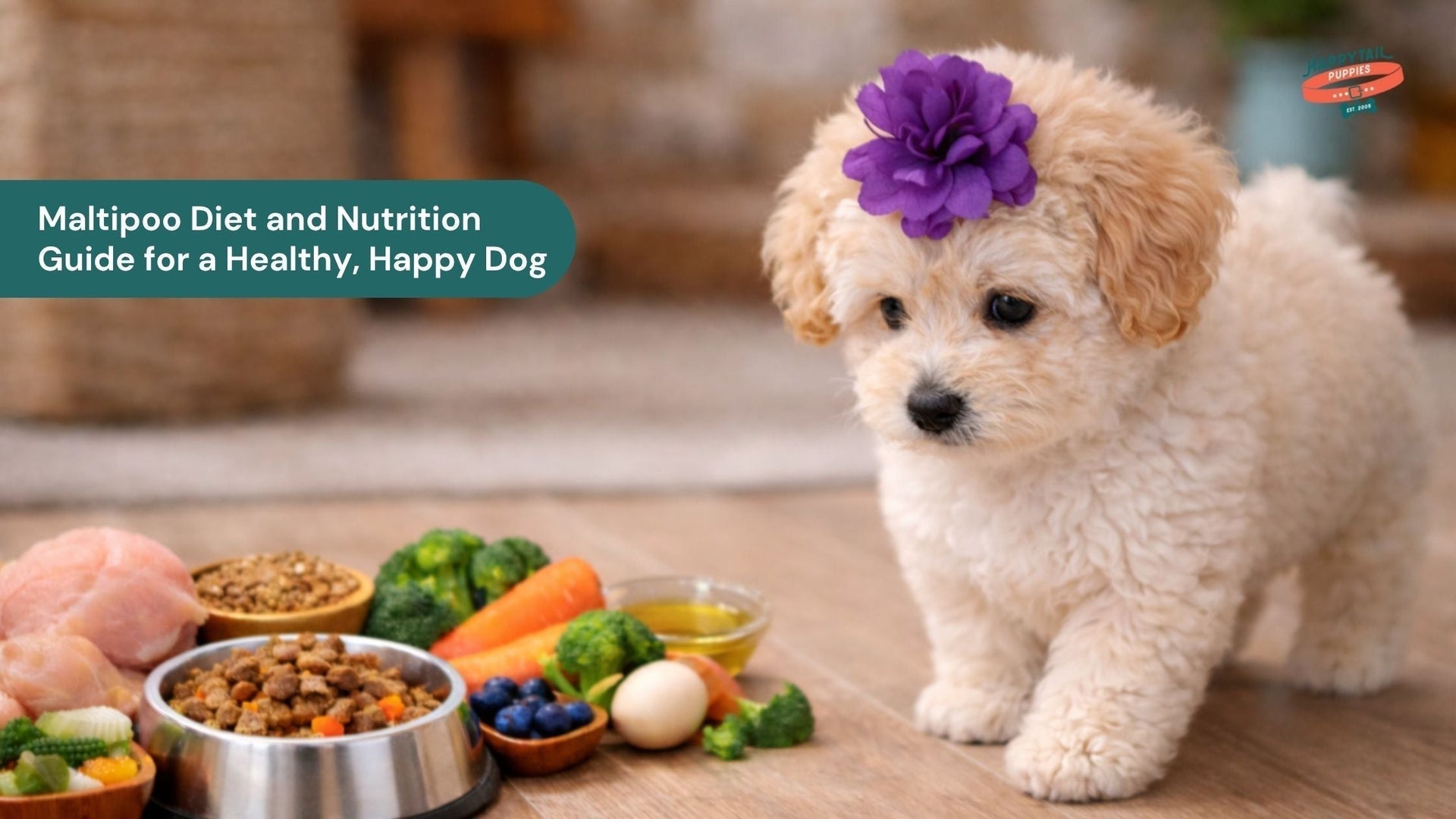
Maltipoo Diet and Nutrition Guide for a Healthy & Happy Dog
🐾Table of Contents
Proper nutrition is the key to a Maltipoo having bright eyes, an energetic personality, and a loving nature. This cute combination of Maltese and Poodle might not be a big dog, yet its food preferences are quite particular. The balanced meals assist in keeping the coat shiny, aid in digestion, and keep the energy levels constant throughout the day.
A prepared maltipoo feeding guide will provide pet owners with an idea of how much to feed, the balance of nutrients, and the right times to feed. Not only can smart feeding habits help avoid obesity, but they can also reduce the risk of other health problems common in small breeds. This means that your furry companion will be healthy enough to live for years.
Understanding a Maltipoo’s Nutritional Needs
Proper nutrition is essential in keeping the body energized, healthy, and growing. Small-breed dogs such as Maltipoos require well-balanced nutrients to survive throughout the day.
Maltipoos need to eat a diet high in:
- Protein of good quality to build muscle
- Fats that are healthy for the coat and skin
- Complex carbs to maintain pumping
- Vital vitamins and minerals to boost the immune system
Small breeds have higher metabolism rates. Thus, calorie-rich, portion-controlled meals are the most effective foods to consume. This characteristic is widespread in the Teacup Maltese lineage, which is one of the reasons Maltipoos are energetic and require a strict diet.
Best Food Options for Maltipoos
Selecting the right kind of food would ensure proper nutrition and support digestion. This will make your Maltipoo eager to eat, covering its nutritional needs each day and keeping it healthy.
Dry Kibble
Small-breed kibble was formulated to provide balanced nutrition and help to maintain dental health. It is mainly due to chewing, and remains easy to feed daily in a small portion size, making it possible to keep things consistent and contributing to the Maltipoo cost.
Wet Food
Wet food is more moist and hydrating and is also more likely to satisfy the picky eaters. Its full flavor and smooth bite allow Maltipoos who have a sensitive dental system or challenges in chewing to enjoy meals.
Homemade Diets
Homemade diets enable complete control over the quality of the food and its freshness. Thus, it is appropriate to feed dogs with allergies or sensitivities. But, due to the complexity of proper dietary balance, proportions, and expert advice are needed.
Mixed Feeding
The mixed feeding program combines the nutritious taste qualities of dry kibble with wet or fresh food selections. This enhances flavor and food texture diversity, stimulates appetite, and offers a balanced nutrient supply. It will help keep Maltipoos strong and motivated to eat each day.
Feeding Schedule by Age
Regular feeding will help to regulate metabolism, avoid overeating, and sustain a constant level of energy. These are critical to a healthy Maltipoo lifespan in the various stages of life.
How Long Do Maltipoos Live? Learn How to Support a Long, Happy Life 🐾
Curious about Maltipoo lifespan and ways to help your puppy thrive? Explore expert care tips, health insights, and simple habits that can support many joyful years together.
Read the Lifespan GuidePuppies (2–12 months)
- Give 3-4 small meals a day
-
Target growth-promotive nutrients
Adults (1–7 years)
- Feed 2 meals daily
- Eat in moderation of calories
Seniors (7+ years)
- Modify amounts according to the level of activity
- Include joint-support nutrients
Going through a regular feeding plan aids in controlling digestion, and it does not allow excessive eating. In particular, Maltipoos are more prone to sensitive digestion and weight fluctuations because they are very small and descend from Teacup Poodles.
Portion Control and Weight Management
Eating the right portion can help avoid obesity, allow the joints to stay healthy, and maintain energy levels. Close attention to food intake can help Maltipoo have a feeding routine in accordance with their lifestyle, metabolism, and overall health.
Maltipoos have a tendency to gain weight when overfed. The size of the portion relies on:
- Age
- Weight
- Activity level
- Metabolism
Healthy Maltipoos are supposed to have a distinct waist and clearly felt ribs without any additional fat.
Treats and Snacks: Keep It Smart
Treats can be significant in the process of training and bonding. Though unhealthy or excessive treats can contribute to weight gain and digestive problems. So moderation and quality should be the primary considerations for healthy well-being.
No more than 10 percent of daily calories should be in the form of treats. Healthy options include:
- Small pieces of cooked chicken
- Carrots or cucumbers
- Commercial dog low-calorie treats
Do not feed on human foods such as chocolate, grapes, onions, or a food that is highly processed foods.
Hydration Matters
To sustain digestive processes, normal body temperatures, and organ activity in active Maltipoos at all ages. Fresh water must be provided at all times during the day.
Fresh water and clean bowls will promote regular drinking, thereby helping prevent dehydration. This will also contribute to the health of the skin and a quality coat as part of a healthy Maltipoo grooming routine.
It is particularly necessary to keep your Maltipoo hydrated during the hot season or after exercise. This ensures that the dog is well-energized and comfortable, and this is not accompanied by potential heat stress and exhaustion.
Common Dietary Issues in Maltipoos
Problems with the diet may influence the digestion process, the health of the skin, and the general comfort. It is crucial to determine and correct the dieting process early to ensure a healthy, happy Maltipoo.
Sensitive Stomach
Vomiting, diarrhea, or bloating in Maltipoos can be a result of digestive sensitivity. Small meals, foods that are easy to digest, and a gradual transition to new diets are all beneficial for reducing discomfort and improving nutrient intake.
Food Allergies
It can be caused by food allergies, resulting in itchy skin, ear infections, or diarrhea. According to a study by the American Veterinary Medical Association (AVMA), there are increasing cases of allergies in small breeds. This supports the relevance of the need to detect and eradicate allergens at the earliest.
Dental Problems
Small breeds are prone to dental problems that lead to plaque accumulation and gum disease. Kibble is crunchy and provides dental treats, as well as regular checks of the teeth and overall health.
Nutrition and Overall Well-Being
A proper diet is key to a steady supply of energy and a robust immune system. This ensures that Maltipoos remain vigilant and energetic in their day-to-day activities and various phases of the lifecycle.
Also, a balanced diet will enhance the texture of the coat, allow healthy digestion, and prevent the most frequent health issues. This will make your Maltipoo feel good and look good each day.
It should be consistent feeding times, high-quality standards, and appropriate portion sizes. This will make your furry friend lead a healthier lifestyle and be more alive, in the long-term perspective.
Final Thoughts
Raising a Maltipoo will not be just about feeding. It entails the awareness of its specific nutritional requirements and prudent decisions in its day-to-day life. The combination of a healthy diet, correct portioning, and regular feeding schedules will develop a strong foundation of health in the long run.
Even minor, periodic changes in eating habits may alter behavior, appearance, and well-being. Correct nutrition today not only makes your day with your dog better, but it also helps you to build a better and happier future.