

Pomeranian 101: Everything You Need to Know About This Tiny Breed
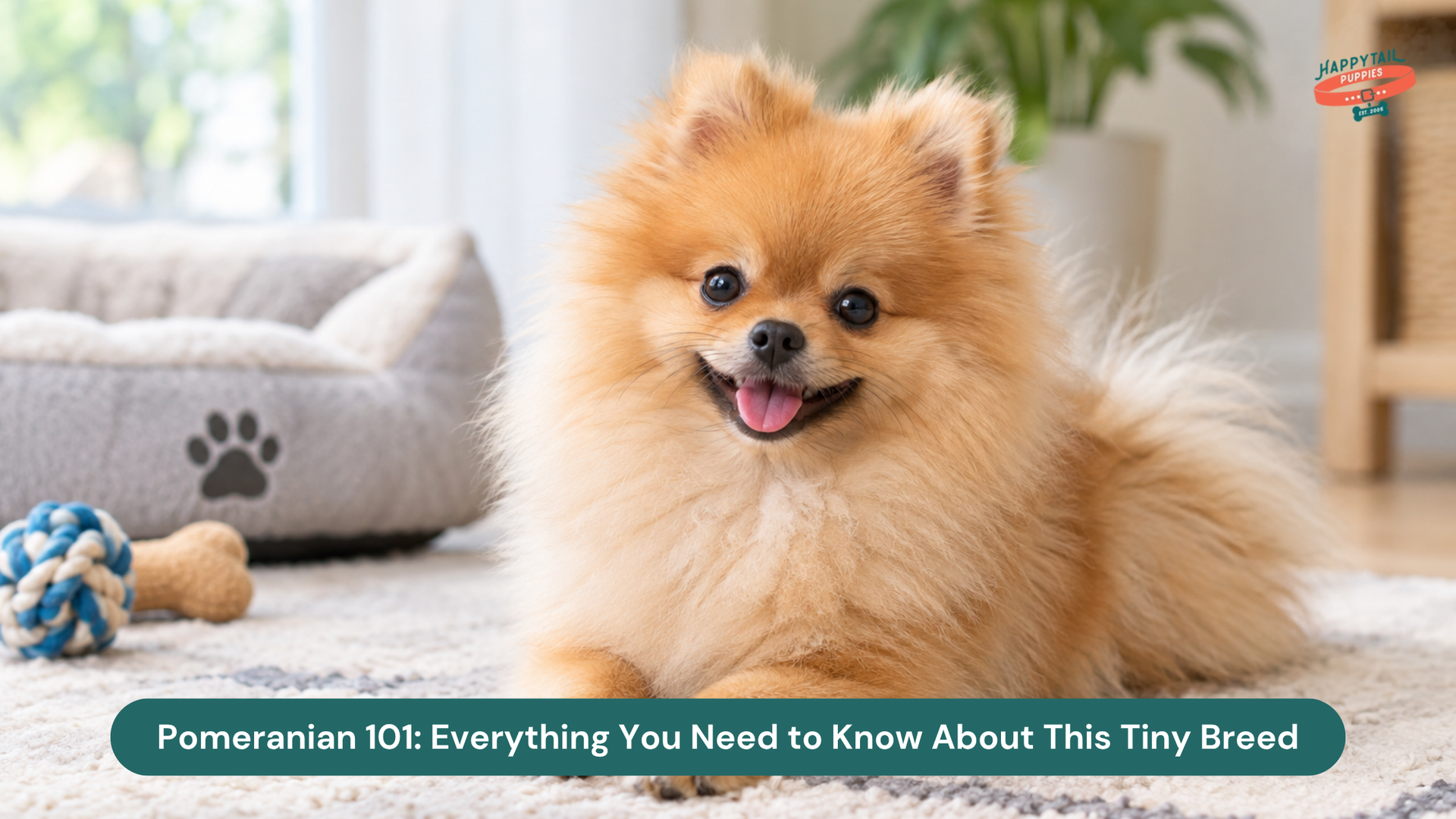
Pomeranians may be tiny, but they bring plenty of personality, energy, and affection. Learn about their physical traits, temperament, grooming, exercise, training, health, and what to expect when bringing a Pomeranian puppy home.
⚡Quick Answer
Pomeranians are small, energetic dogs known for their fluffy coats, lively personalities, and affectionate nature. They need regular grooming, daily exercise, mental stimulation, and consistent training. With proper care, they can make playful, loyal, and loving companions.
🐾 Table of Contents
Only a couple of toy breeds can steal the limelight like a Pomeranian. This fox-faced, plumed-tail breed, barking confidently at dogs five times their size, comes in the form of a pup that hardly scales past 7 pounds.
If you’re planning to own one, let’s walk you through what it’s really like to have a Teacup Pomeranian puppy in life. Their physical traits define this breed, with personality quirks new owners can expect, and daily care keeps the pup fluffy, healthy, and happy.
🐾At a Glance
- Weighs around 3 to 7 pounds, even as an adult
- Stands at a shoulder height of 7 to 12 inches
- Average lifespan is around 12 to 16 years
- Double coat means brushing a couple of times a week
- Needs around 20 to 30 minutes of activity regularly
Understanding the Pomeranian
The name “Pomeranian” comes from the Pomerania area along the border between Germany and Poland. That’s where larger sled and herding Spitz-type dogs worked earlier. In the beginning, Pomeranians weighed as much as 30 pounds. That’s a far cry from a toy-sized breed that we come across today.
The smaller size goes back to European royalty, mainly Queen Victoria. Her fondness for smaller Pomeranians helped popularize their smaller size throughout the 19th century. Even recognized agencies have categorized this breed under “Toy Group” since the 1900s. This is what makes Poms one of the most prominent toy breeds in the country today.
Physical Characteristics
Irrespective of their compact stature, the breed’s standard is almost identical to that of larger dogs, including their graceful and confident walk.
🐾 Size and Weight
According to the AKC standard, the adult Pom weighs around 3 to 7 pounds. Even 4 to 6 pounds is considered perfect for the show ring. Although their height isn't officially set in the records, most adults land between 7 and 12 inches at the shoulders.
What determines adult size:
- Genetic qualities of both its parents
- Nutrition offered during their growth period
- Individual variations set under the standard
Major kennel clubs don't often recognize “Teacup” or “Micro” Pomeranians as distinct variants. They directly refer to a dog that’s on the smaller end of their standard range. That smallest size actually determines why a Teacup Pomeranian’s health needs extra attention. A smaller size leaves less room for error with injury, nutrition, and routine vet care.
🐾 Coat and Colors
Pomeranians are well-loved for their double-coated look. A short, dense undercoat that’s paired with a lengthier, harsh-textured outer coat that gives them their signature fluffy shape.
Recognized colors include:
- Orange and red shades
- Cream and white
- Black and black-and-tan
- Parti-color combinations
Such a thick double coat shapes this breed's grooming needs. We’ll cover this in detail later in our guide. It’s important to address the need to nourish your Pomeranian with a diet that’s rich in the right fatty acids. This plays a huge role here, since a brittle or dull coat is often an early sign that the pup’s diet needs changes.
🐾 Distinctive Features
Small erect ears on a fox-type face and a heavily plumed tail that’s carried flat against the back are what pup owners adore. These features are what people associate with this breed at a glance.
Signature traits include:
- Wedge-shaped, fox-like head
- Small, high-set pointed ears
- Plumed tail set high, flat on the back
Combined, these features make the Pomeranians the most recognizable breed in dog parks and among several other small dog breeds. Rarer coat colors and well-defined features like these directly affect Pomeranian price and ownership costs. Show-quality traits are priced higher than pet-quality litters.
Temperament and Personality
Based on the breed standards set by major kennel clubs, the temperament of this breed is described as extroverted.
🐾 Extroverted and Alert
Pomeranians often notice everything happening around a household. Passing cars, doorbells, and unfamiliar footsteps, as they’re hardly shy about showing it.
What this looks like day-to-day:
- Frequent alert barking
- High awareness of surroundings
- Confidence around much bigger dogs
That alertness makes them ideal little watchdogs. But consistent training can still help manage their barking.
🐾 Big-Dog Energy in a Small Body
Only a couple of toy breeds carry themselves with such self-assurance. A Pomeranian who squares up to a dog several times bigger is a common sight owners get.
Where that confidence shows up:
- Holding their ground while greeting others
- Acting as a self-appointed guard in a household
- Hardly backing down from other bigger dogs
Such a fearless nature is a direct part of their charm. It also highlights the importance of early socialization.
🐾 Bonding Style
Poms are extremely loving with their households. However, they are known to form a particularly strong bond with the person they follow from room to room.
Typical bonding patterns:
- A single and clear attachment to an individual
- Real affection for the rest of the family members
- Maintains caution with unfamiliar guests initially
Owners should be patient and allow time for low-pressure interactions. This initial caution with new people slowly fades over time.
Daily Care Needs
Pomeranians are fairly low-maintenance in a couple of areas. Astonishingly, they are involved in others. Here are a couple of areas we are going to focus on to help you get a better look inside this breed:
🐾 Exercise Needs
This breed's small size means it typically doesn't need long exercise sessions. However, daily movement still matters for both their mind and body.
A typical routine includes:
- One or two short walks
- Indoor play sessions
- Light mental enrichment games
A regular 20 to 30 minutes is typically fine when spread across the day instead of done all at once.
🐾 Grooming Routine
Their signature fluffy coat demands regular attention to keep it mat-free. That’s especially important during their seasonal shedding periods.
A steady grooming routine covers:
- Brushing several times a week
- Regular nail trims
- Periodic professional grooming visits
Skipping brushing, even for a week or two, can cause matting. Therefore, it’s important to maintain a consistent routine rather than opting for a single grooming session.
🐾 Training Approach
Pomeranians are smart and eager to please. However, their independent nature means training will work with consistency and patience.
What tends to work best:
- Short, upbeat training sessions
- Consistent positive reinforcement
- Early, low-pressure socialization
Specifically, house training might take longer with this breed. So, following a consistent routine sooner will pay off later.
Health Considerations
Similar to several other toy breeds, Pomeranians are typically healthy. However, they’re prone to a couple of breed-related issues that are important to know sooner.
Conditions to watch for include:
- Luxating patella (loose kneecaps)
- Dental crowding and early tooth loss
- Tracheal sensitivity in some individuals
- Skin and coat conditions
Following a routine with vet checkups, a properly fitted harness instead of a collar, and consistent dental care helps prevent common issues.
Quick Facts Table
Between their history, daily care, and temperament, it helps to have all the essentials compiled in one place. Some amazing facts about Pomeranians are spread across several sources.
So, here’s a full breakdown:
| Trait | Details |
|---|---|
| Weight | 3 to 7 lbs |
| Height | 7 to 12 inches |
| Lifespan | 12 to 16 years |
| Coat | Double coat, long outer layer |
| Shedding | Moderate, heavier seasonally |
| Energy Level | Moderate |
| Trainability | Intelligent, somewhat independent |
| Good With Kids | Best with older, gentle children |
| Apartment Friendly | Yes, with barking management |
🐾What the AKC Breed Standard Confirms
According to the official reports from the American Kennel Club, adult Poms should weigh around 3 to 7 pounds. This weight range is the reason why most reputable breeders maintain consistent care for the breed’s long-term health.
Is a Pomeranian Right for You?
This breed suits certain lifestyles far better than others, and being honest about that fit upfront saves both the dog and the household a lot of frustration later.
A Pomeranian tends to be a great fit if you:
- Enjoy regular brushing and grooming routines
- Can manage a vocal, highly alert dog
- Have time for short, consistent training sessions
- Prefer moderate over intense exercise demands
- Live somewhere apartment- or small-space-friendly
Matching most of these points usually signals a smooth fit from day one. If several feel like a stretch, it's worth spending real time around the breed, ideally through a reputable breeder or rescue, before making the decision final.
Small Dog, Big Decision
Every breed asks something a little different of the people who bring it home, and the details matter more than they might seem to at first. Taking the time to understand those details before committing tends to make the difference between a good match and a rough one.
Whatever ends up weighing most heavily in the decision, going in informed is always the better starting point, for the household and the dog alike.
Frequently Asked Questions
How much exercise does a Pomeranian need?
About 20 to 30 minutes of activity a day, split into short walks or play sessions, is typically enough for this breed.
Do Pomeranians shed a lot?
Yes, the double coat sheds year-round with heavier seasonal blowouts, so regular brushing is important.
Are Pomeranians good with children?
They can be, especially with older, gentle children, since their small size makes rough handling risky.
Are Pomeranians easy to train?
They're intelligent and eager, but can be independent, so short, consistent, reward-based sessions tend to work best.
Do Pomeranians do well in apartments?
Very well, thanks to their small size and modest exercise needs, though their tendency to bark is worth managing in close quarters.