

The Benefits of Starting Your Puppy's Outdoor Training at a Young Age
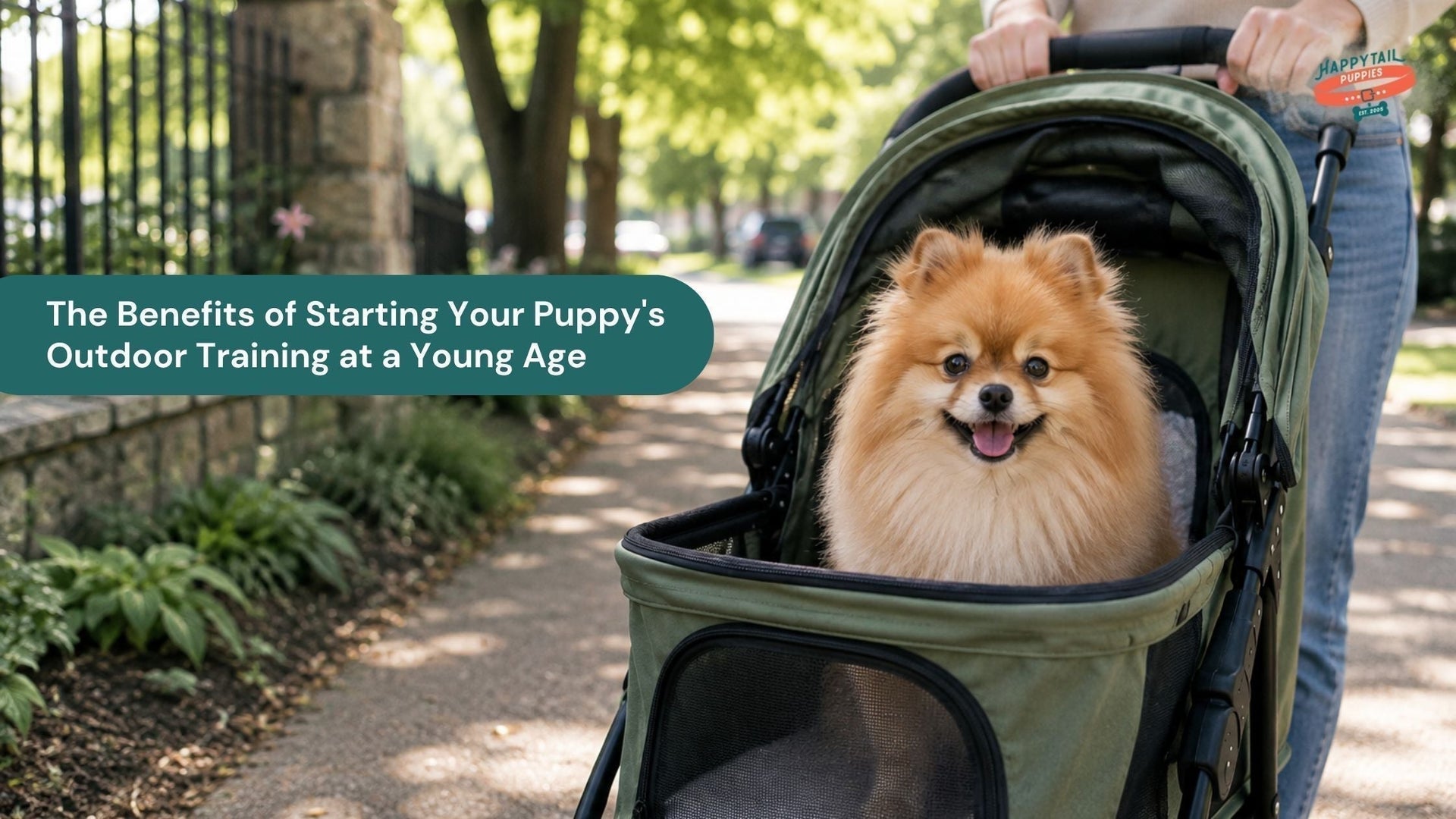
Puppies are eager to explore, and the first few months are the ideal time to guide that curiosity into confident outdoor training. With the right timing, short outings, and supportive gear like a pet stroller or carrier, you can help your puppy meet the world safely while building good habits that last.
⚡ Quick Answer
Starting outdoor training early helps puppies build confidence, learn good habits, and become comfortable with new sights, sounds, people, and environments. Positive, age-appropriate training also supports socialization, better behavior, and a stronger bond with their owners.
🐾 Table of Contents
After exploring your home (and maybe biting through a few armrests), your puppy discovers the window. Next thing you know, it spends hours there, gazing out at your neighbors chatting, the young cyclist zipping down to the park, and perhaps the most fascinating, other dogs on a leash as they amble by.
It changes something in you, too. You want to help your dog meet that world.
In that case, the best time to start is now. The best age to train a puppy is during the first three months of its life. When the world beyond the window is still a fascinating place, and your pup greets the outside with enthusiasm, it is your golden window. (Just make sure you have received proper veterinary guidance on vaccinations before taking your puppy out.) Also, breeds known for their quick, eager learning, like a Miniature Goldendoodle puppy, tend to make the most of this window when the exposure starts early.
Why Early Outdoor Training Matters
Like babies, puppies spend their first years soaking up enormous amounts of new information, and that includes tying smells, sounds and sights to different emotions.
Good early socialization means these associations are positive. This is really where the importance of dog training shows itself, as the habits and associations formed in these early weeks tend to stick with a dog for life. Some will come naturally, like how the sound of treats rattling in a bag brings your dog to your side, tail wagging. But you have probably heard how even the largest dogs cower when they hear the car start up, fearing a trip to the vet. These are sad stories of puppies who, early in life, learned that going out is scary and uncomfortable. That association has stuck, and now it is a struggle to get them in the car.
That is why the question of when to start training a puppy for the outdoors should put your dog’s feelings first. Good early puppy training starts when your dog wants to explore, not according to some timeline you found online. You want to turn that enthusiasm into a lasting positive impression.
That said, the timing carries one important wrinkle. The early months when a puppy's socialization window is widest are the same stretch when they are still building full vaccination coverage. A pet stroller is a suitable workaround, letting a puppy take in the world before their paws are cleared to touch the ground. And, a good one provides a safe, comfortable spot from which your puppy can observe the world around them.
Why Short Outdoor Sessions Work Best for Puppies
Young puppies have limited stamina and can become overstimulated quickly. So training sessions should be short, comfortable, and include lots of pets and praise.
First, let your puppy explore the yard. When your dog is no longer content with grass and the occasional butterfly, open the door to the sidewalk. For apartment dwellers, simply holding your pup in your arms for a few minutes as you stand in the lobby counts as early socialization.
Rest is part of the learning, too. A puppy who naps after an outing is processing a plethora of new sights, sounds, smells and categorizing them into “good”, “bad”, and “worth a second sniff”. No need to interrupt the process.
For the youngest or smallest puppies, a pet travel carrier makes for a safe, comfortable space from which to meet a whole new world. Small, people-oriented breeds such as cavapoo puppies often settle into this carrier-first approach especially well. They're naturally inclined to stay close and observe rather than strain to explore on their own paws right away. This is where owner comfort becomes important, too. Look for padded handles, shoulder strap-to-backpack configurations and other features that make carrying your little fur friend easier. That way, you can extend the outing if they seem up for it, rather than having your own strength be the limit.
The Importance of Training in Real-world Settings
You also need that carrier because outdoor puppy training is not a one-and-done deal. Your dog builds confidence through familiarity, and familiarity builds through repetition. The first time puppy hears the bus honking may prompt a flurry of barks. But come the fourth or fifth time, your pup is chill.
Repeat this process for everything: sights and smells of the city, the quieter ambiance of the park, the hustle and bustle at the vet. If you want your dog to enjoy the outside, you have to expose it to the outside again and again to build that confidence. For owners who want a bit more structure behind this repetition, enrolling in a professional puppy training program can help keep exposure consistent and paced to your dog's comfort level.
Leash Manners and Social Development
Your puppy first takes in the world from the pet carrier, the pet stroller or held in your arms. But then the furry bundle starts to wriggle and whine, ready for something more.
This is a sign to start on leash manners and manners in general. Getting comfortable in a harness, learning to walk without pulling, passing by other dogs peacefully, not eating everything off the street: these are essential life skills your dog needs to learn.
Early on, your dog may pull, freeze, jump, or sit down flat on the pavement. Patience is part of the process. Every calm moment outside is progress worth counting. As your puppy grows steadier on the leash, you can start layering in simple exercises for active and healthy dogs, building physical stamina alongside their growing confidence. It is a good idea to bring the stroller out with you for the first few walks, in case your pup needs to pop back in to rest and recharge.
How a Pet Stroller Can Support Puppy Outdoor Training
Every new puppy owner runs into the same early contradiction. The socialization window that shapes a dog's lifelong temperament is widest in the first three months, yet most puppies are not fully vaccinated until close to that same point. That means that the best time for outdoor puppy training is, ironically, when it should be staying at home.
A pet stroller is the solution. It provides a safe spot from which your dog can get used to the world, without its paws ever touching the ground. This means your stroller needs to be the comfiest place for your dog and the easiest to carry for you. Finding that perfect match entails:
- A fast, one-handed fold. Facing your locked door, you cuddle your puppy with one hand while the other rummages for the keys. This is why your stroller needs a one-touch folding mechanism. If not, you’ll have to put your dog down on the pavement and all the germs within.
- Smooth-rolling wheels. If you remember road trips spent jolting over every pothole and shaking over pebbled roads, you know you never want your dog to experience that. Swivel front wheels that glide over rough ground keep a puppy settled, and make sure they rotate 360-degrees to avoid abrupt stops and starts.
- A cabin sized for future growth. Your puppy should be able to sit, shift, or stand comfortably, and a more spacious cabin also means they can use the same stroller from puppyhood to adulthood. Check weight limits as well, so your dog can grow big and strong and still use the same carrier.
-
Multiple mesh openings. Some puppies want to view the world in panorama, some want to gaze at you, some switch depending on their mood. Multiple mesh openings mean you can accommodate all of that, and you get facetime with your dog when you want it.
Growing into the World, One Outing at a Time
Outdoor puppy training boils down to a simple practice. Small outings, repeated consistently until they settle into your dog’s brain as “these are fun things, and no, I won’t panic”. The morning at the window becomes a walk to the corner, then a café visit, then a full Saturday out. From there, the list of Outdoor Activities to Enjoy With Your Dog only keeps growing — hiking trails, dog-friendly patios, and weekend park meetups all become fair game. The goal is to introduce the world to the puppy in front of you at a gentle, steady pace, always with your dog’s comfort first.
If you are ready to explore, choosing the right pet strollers, travel pet carriers, and pet wagons is the next step. Look for gear engineered for this stage and life beyond, so your puppy can take in the world from a safe place until it is ready to walk by your side on its own paws.
Frequently Asked Questions About Puppy Training
What age should you start taking puppies outside?
Puppies can begin gentle outdoor exposure from around eight weeks, as long as it follows veterinary vaccination guidance. Before full vaccination, that usually means keeping a puppy off shared ground such as pavements or roads. We recommend starting with quiet spots that do not see much traffic, like a dog park or even your apartment lobby.
What is the 7-7-7 rule for puppies?
The 7-7-7 rule, adapted from breeder Pat Hastings and shared widely by US shelters and breeders, suggests that by seven weeks of age a puppy should have experienced seven different surfaces, played with seven different objects, been in seven different locations, met seven new people, faced seven small challenges, eaten from seven different containers, and taken seven short car rides.
What is the 10-10-10 rule for puppies?
The 10-10-10 rule is a simple way to keep early experiences on track: aim to introduce a puppy to 10 new people, 10 new places, and 10 new experiences during their first weeks, always at a calm and positive pace. A pet stroller helps fill that list safely and comfortably, letting your puppy meet new people and take in new places from a stable, familiar cabin well before their vaccinations are complete.