
Tips and Advice for First Time Cavalier King Charles Spaniel Owners
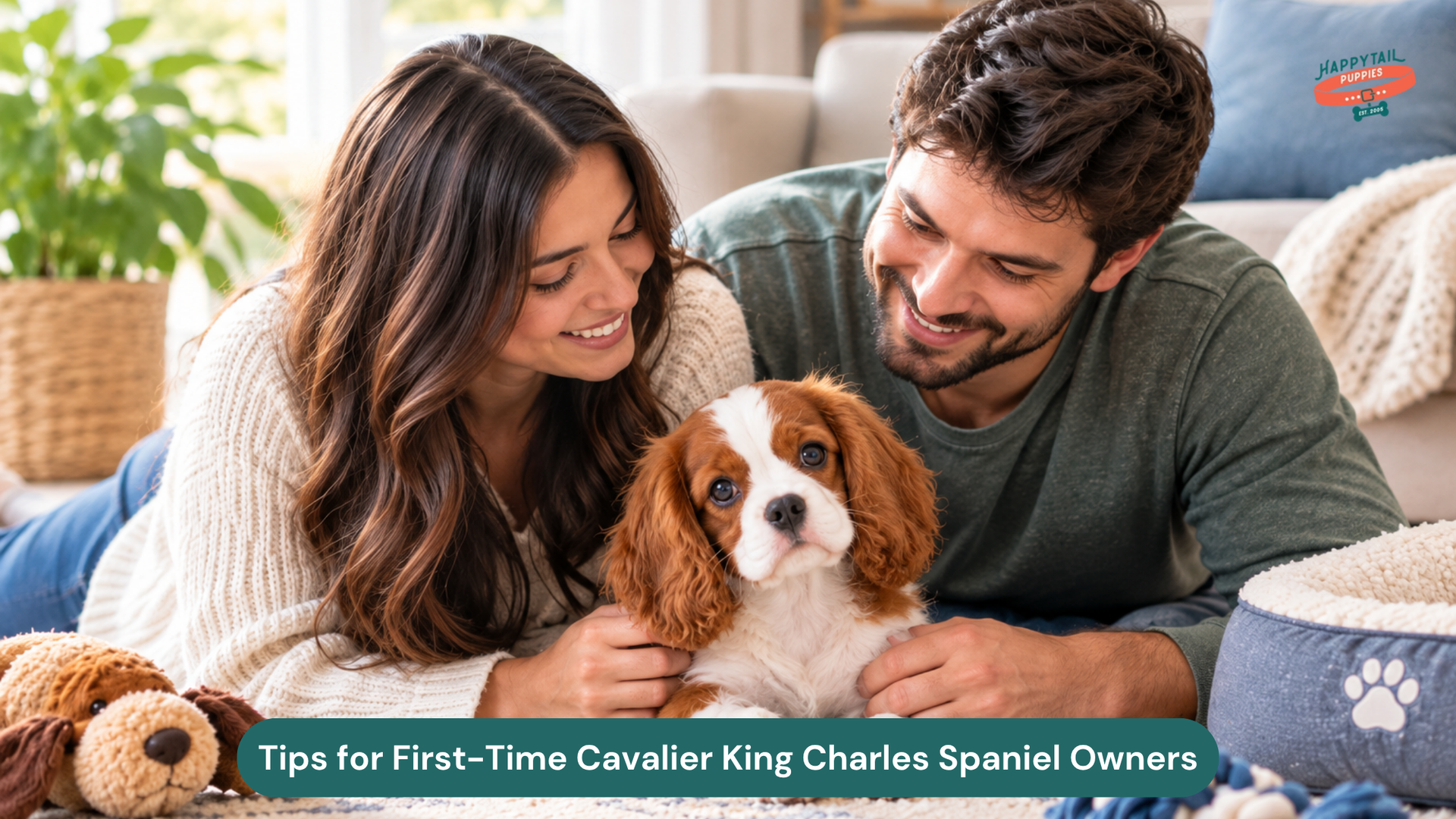
Bringing home a Cavalier King Charles Spaniel puppy is exciting. Get practical care tips for creating routines, feeding, training, grooming, socializing, and keeping your pup healthy.
⚡Quick Answer
A good start to Cavalier King Charles Spaniel puppy care involves a steady routine, balanced nutrition, gentle exercise and early socialization and training. It also requires regular grooming, plenty of companionship, and preventive vet care. So keep things calm and reward-based while the rest falls into place like pieces of a puzzle.
You’ve decided to bring home a Cavalier, and now it's time to know what owners need to know. That’s to help your new pup adapt to your home, feel safe and grow up healthy and happy. Let's narrow down Cavalier King Charles Spaniel puppy care tips that will help you do exactly that right from the first day you bring them home through the entire year.
Consider it your roadmap to caring for a Cavalier King Charles Spaniel puppy. So, if you’re still deciding if a Cavalier King Charles Spaniel is right for you, take some time to understand their personality, needs, and daily care. This guide is for owners who’ve already decided to add this pup to their household.
Prepare Your Home Before Bringing Your Cavalier Puppy Home
A bit of preparation can make the first days calmer for everyone.
Gather the Essentials
You only need a few well-chosen essentials for your pup’s day one at your home.
This is what you need to prepare:
- Food as well as water bowls
- The same puppy food your pup has already been eating
- Harness, collar, and leashes
- Softer bed and blankets
- Chew toys
- Comb, soft brush, and nail clippers
Keep your pup’s original food at first. This helps you avoid tummy upset. Also add extras as you learn about their habits. If you’re on a budget,a breakdown of the total Cavalier King Charles Spaniel cost can help you gain deeper insight into this breed.
Set Up a Safe Sleeping Space and Puppy-Proof Every Room
A crate or a smaller gated area with a softer bed gives your pup a quiet spot away from the foot traffic. Turn it into a happy place filled with toys and treats, not a punishment.
Also, look around your home from your puppy’s point of view:
- Ensure you hide cables and cords
- Place the shoes and smaller items away
- Secure trash can with lids
- Block your stairs with gates
- Move every toxic plant out of reach
Cavaliers are a people-friendly breed who love company. That’s why they will follow you everywhere. So, this check is well worth doing properly.
Establish a Consistent Daily Routine
Puppies often feel safest when they know what comes next. A predictable day can make potty training seamless and help your pup sleep better. Our Cavalier King Charles Spaniel care tips serve as a guide, not a strict clock.
Here’s how it looks:
| Time of Day | What Usually Happens |
|---|---|
| Morning | Potty break, breakfast, short play |
| Mid-morning | Nap |
| Midday | Potty break, lunch, short training |
| Afternoon | Nap, then walk or play |
| Evening | Dinner, potty break, cuddle time |
| Bedtime | Last potty break, then settle in |
Pups sleep almost throughout the day. So never worry if their naps outnumber playtime. Timing shifts as your puppy develops and grows.
Focus on Proper Nutrition
Always choose a complete, well-balanced small-breed puppy food. So consult your vet to match it to your pup’s age and size. Change foods slowly over a week and move to adult food once they reach age one.
Younger pups eat almost three to four smaller meals a day. They move to two as they develop. So measure every meal, as Cavaliers love food and can become obese easily.
Here are some rules to follow:
- Balance every meal and portion sizes
- Count treats toward the total
- Feed at a fixed time
- Skip table scraps
Watch your pup’s body shape closely, and consult your vet at visits to catch extra weight gain early.
Understand Their Exercise Needs
Cavalier King Charles Spaniel pups have moderate exercise needs. This suits busier owners as well.
A healthier mix often looks like:
- Short, gentle regular walks
- Play sessions across the yard
- Puzzle toys and adding sniff games to your list
- A lot of rest between every activity
A general rule of thumb is five minutes of walking per month of age, twice a day. However, consult your vet about what is suitable for your pup. Skip lengthy runs and jumping while joints are still developing, and add brain games for mental exercise.
Start Training Early
Cavaliers love to please all humans, which makes early training enjoyable. Following Cavalier King Charles Spaniel training tips includes keeping sessions short, staying consistent, and rewarding the behavior you want.
For potty training, take your pup out right after waking, eating, drinking, and playing. Take them to the same spot and reward them within seconds. Clean accidents with enzyme cleaner and stay calm, as most pups need several weeks to understand this routine.
Try teaching them commands like sit, come, stay, and leave it. Use small treats and cheerful praise instead of corrections:
- Sessions that last around five minutes
- One cue per command and the same words for all
- Crate introduced slowly with treats and shorter stays
- Leash practiced indoors first on a lightweight harness
Cavaliers will still pull whenever they are excited. So, stop, wait, and reward the moment the leash gets loose.
Prioritize Early Socialization
The first couple of months are often the ideal time to show your pup the entire world in the most positive way.
It can be like:
- Meet calm and friendly people
- Hear sounds from everyday household activities
- Ride calmly in the car
- Gradually visit new places
- Meet healthier and vaccinated dogs
Consult your vet before taking your pup to public places or dog parks, as vaccinations need time to take effect. Also keep new experiences positive and short, allowing your pup to set the right pace.
Keep Up With Grooming
Grooming a Cavalier King Charles Spaniel is easiest when you make it a weekly routine. Their silky coat tangles seamlessly behind the ears and in the leg feathering. So, brush a couple of times a week by gently combing through. Long ears trap moisture. Therefore, check them weekly and dry them after baths. Also, trim them once every month.
- Brush them a couple of times a week
- Check for dry ears every week
- Trim their nails every couple of weeks
- Brush teeth a couple of times a week with a dog-friendly toothpaste
Use vet-approved ear cleaners and consult your vet immediately about redness, odor, or head shaking. Avoid using human toothpaste, as it can upset their stomach.
Give Them Enough Companionship
Cavaliers never love being left alone for longer stretches. Therefore, these are a few things to teach them gently:
- Start with shorter absences
- Leave them with a safe chew toy
- Keeps departures low-key
- Gradually add time to those alone times
A good routine can help here. Schedule walks, meals, and training to happen at the same time each day. This way, your pup learns you’ll always come back. A common routine includes an hour of alone time per month of age. However, consult your vet or trainer before arranging a midday visit if you work longer hours.
What the Latest Data Shows
A recent survey by the Association for Pet Obesity Prevention found that only 1 in 4 dog owners tried to help their pup lose weight. They found that their pup reached and maintained a healthy body condition. This is a new lesson for a new Cavalier owner.
Stay Proactive About Health
Book a first vet visit within a few days, according to your vet’s schedule, for parasite prevention, vaccinations, dental exams, weight checks and ear exams. Like other breeds, Cavaliers also have health tendencies worth discussing with your vet, including heart health. So ask what monitoring makes sense instead of diagnosing anything at home.
Consistent checkups, a healthy weight, and steady daily care support a happy life and a longer Cavalier King Charles Spaniel life expectancy.
Common Mistakes First-Time Cavalier Owners Should Avoid
Mistakes are inevitable even with a first puppy. That’s entirely normal. Knowing the common ones ahead of time makes them easy to avoid.
Watch out for these:
- Following inconsistent rules and training
- Skipping early socialization
- Overlooking dental care and grooming
- Overfeeding and offering too many treats
- No steady daily routine
- Too much or wrong type of exercises
- Leaving your pup alone for too long
If you detect one yourself in one of these, then adjust and simply keep going. Pups are forgiving, and small course corrections can add up quickly.
Final Thoughts
Your first year of owning a Cavalier goes by faster than you expected. Muddy paws, sleepy afternoons, and a chewed sock or two add to the blend. Start with a calmer home, a consistent schedule, gentle training, and enough company. Also add socialization, grooming, and regular vet visits.
A good Cavalier King Charles Spaniel puppy care routine isn't about being perfect. It’s about showing up with kindness daily. So, if you’d like to learn more about the breed, check out our Cavalier King Charles Spaniel page!
Frequently Asked Questions
What should a first-time Cavalier owner know?
For first-time Cavalier owners, stay focused on routine, early socialization, and gentle training. Plan for plenty of companionship and monitor their weight, since this breed loves food.
How much exercise does a Cavalier King Charles Spaniel need?
Moderate daily exercise works wonders, such as short walks and play with plenty of rest in between. A common guideline is five minutes of walking per month of age, twice a day.
Are Cavalier King Charles Spaniels easy to train?
Absolutely! Cavaliers love to please whoever is around them and respond well to treats and praise. Ensure you keep short, consistent and positive sessions throughout.
How often should a Cavalier be groomed?
Brush your Cavalier a couple of times every week. Also check their ears weekly and trim their nails every few weeks, bathe them monthly and brush their teeth a couple of times each week.
How do you potty train a Cavalier puppy?
Always take your pup to the same spot after waking, eating, drinking and playing. Reward them right, stay calm about accidents, and use an enzyme cleaner to clean after them.