
Why Does My Dog Keep Licking His Lips
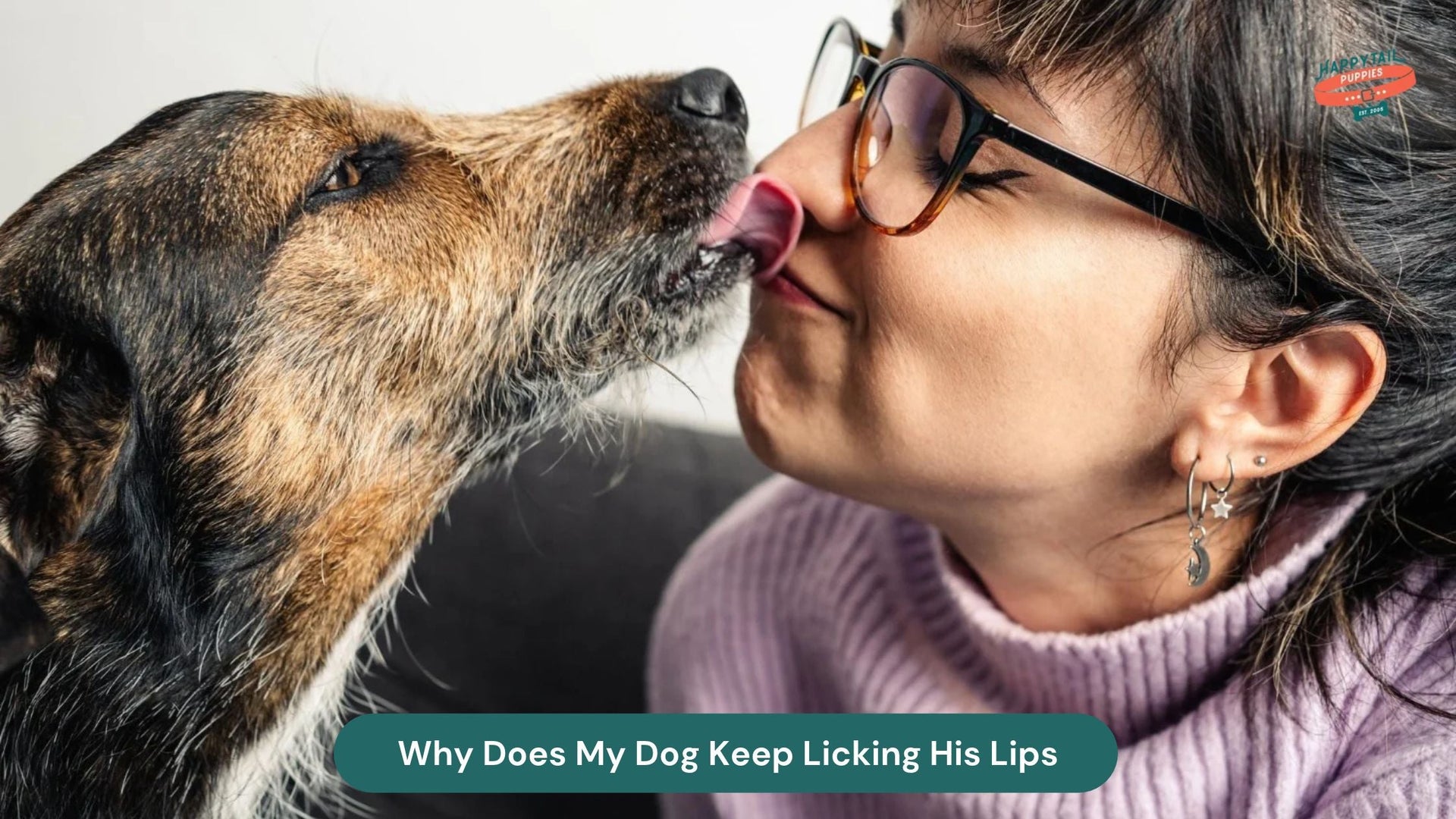
Dog lip licking can be a normal habit or a sign of stress, nausea, or dental discomfort. Learn the common causes, symptoms to monitor, and warning signs that may require veterinary attention.
⚡Quick Answer
Why does my dog keep licking his lips? Most of the time, it’s due to a normal habit, like after a meal or smelling a treat. It can also signal stress, an upset stomach or a sore mouth. Monitoring how often it happens and any other changes can help you understand what your dog needs.
One common behavior dog owners notice is lip licking. It happens in both puppies and adult dogs of every breed and size. Dogs use lip licking as part of their body language, so one lick rarely tells you much. Watching the patterns can tell you much more, including when it happens and what else your dog is doing.
Sometimes it’s a harmless habit, like licking after a meal or at the sight of a treat. Other times, it may relate to stress, an upset stomach, or a sore mouth. If you’ve found yourself asking, “Why does my dog keep licking his lips?”, this guide covers the common causes, what to track, and when it’s time to call your vet.
When Is Dog Lip Smacking Normal?
Occasional lip licking is normal dog body language. It usually lasts a moment, fades without any other change in behavior, and there’s nothing to worry about.
Common reasons include:
- Licking right after a meal or drinking
- While waiting for a treat or tiny bits of food
- Cleaning off their drool or crumbs
-
Freshening up after a nap
Often, dogs lick their lips when they smell something tasty because their mouths start watering. You might even notice lip-licking when you open the fridge or pick up their treat jar. This behavior may occur when your dog anticipates food or a treat.
What really matters is how frequently lip licking happens. A few occasional licks that stop on their own are fine. Frequent licking without any clear reason is worth a closer look.
Common Causes of Repeated Lip Licking
Your dog usually licks its lips for a reason, or as part of other changes. Focusing only on licking won't tell you what is wrong, but it's a good start. Since lip licking has several possible causes, the same sign can mean different things depending on the situation and what else your dog is doing.
Here are the common causes behind repeated lip licking in dogs.
🐾Stress, Anxiety, or Uncertainty
Lip licking may be related to stress or uncertainty, especially when your dog is in a situation that feels unfamiliar or uncomfortable. It tends to start when the trigger appears and stop once your dog feels safe again. Dogs cannot express worry in words, so their bodies do the talking.
Here are a few things that can make a dog nervous:
- During vet visits or car rides
- Loud noises, thunder, or fireworks
- Meeting new dogs or strangers
- Being scolded or corrected
Typical signs of nervousness in dogs are:
- Yawning when not feeling tired
- Turning their head away
- Tucking their tail or keeping ears flat
Always consider what was happening when you noticed your dog licking their lips. If the licking began when something unfamiliar or stressful happened and eased once it passed, it may be related to nervousness. Staying calm, speaking softly, and giving your dog some space can help him settle.
🐾Nausea or Digestive Discomfort
Another cause behind lip licking in dogs is an upset stomach. Whenever a dog feels sick, their mouth often fills with extra drool. So they lick and swallow more frequently. Dogs can't tell us about their distress, so small, repeated mouth movements may be the only clue.
Signs associated with stomach upset are:
- Frequent swallowing or gulping
- Drooling more than usual
- Eating grass or skipping meals
- Vomiting or loose stools
Several things can upset a dog’s stomach. These signs never point to only a single cause. If they last more than a day or keep coming back, call your vet immediately. Always keep fresh water nearby and note what your dog ate recently. This can help your vet diagnose the issue.
🐾Dental Pain, Mouth Irritation, or Other Medical Issues
Lip licking can also signal discomfort in the mouth. Sore teeth, red gums or something that’s stuck between the teeth can make a dog lick his lips and drool often. Dogs often hide their pain well, so a small lick might be the only clue that you’ll get.
Other signs to watch for:
- Bad breath that seems new
- Pawing at the mouth
- Dropping food while chewing
- Red or swollen gums
No single sign points to one cause. A veterinary assessment is needed to examine the teeth, gums, and throat and rule out underlying conditions. Your vet can then recommend the right treatment.
What Should You Observe When Your Dog Keeps Licking His Lips?
Write down when your dog licks his lips and what was happening at the time. A few days of notes will help your vet find the cause much faster than one or two episodes. Even small details, like loud noises or a visitor at the door, can be useful indicators.
Here’s what you should keep a note of:
- Time of day it happens
- What happened just before
- Other signs you notice
- How long each episode lasts
Another thing you can do as a dog owner is take a short video of an unusual incident to show your vet. Also ask your vet for advice if the licking keeps happening or worries you.
📊 What the Latest Data Shows
According to the American Kennel Club, lip licking and yawning are among the common signs of stress in dogs. So it helps to keep a watch for them together.
When Should You Call a Veterinarian?
Book a vet visit if the licking is new, does not stop, or comes with other changes. Your vet may ask when it started, how often it happens, and whether your dog has changed in other ways.
Make an appointment if you notice:
- Licking that lasts all day
- Throwing up or repeated gagging
- Loss of appetite or weight
- Heavy drooling or bad breath
Get emergency help right away for:
- Trouble breathing or collapse
- Possible poison or toxin exposure
- Gagging with nothing coming up
- A swollen or tight belly
Quick action can make a big difference.
Please do not give human medicine or home remedies. Human medications can hide signs or make things worse, and your vet can suggest safe treatment.
Final Thoughts
Getting to know your dog's everyday habits is one of the nicest parts of sharing a home with him. However, it's important to pay attention to his lip licking, including when it happens and what other changes you notice. These details can help you understand what might be causing the behavior. Occasional licking is normal, but frequent licking may signal an underlying issue, especially when accompanied by other symptoms. If something doesn't seem right, consult your veterinarian to identify the cause.
Frequently Asked Questions
Can nausea make a dog lick his lips?
Yes, it can. A sick stomach makes extra drool, so licking and swallowing may follow. Watch for drooling or grass eating, and call your vet if it keeps happening. Mild upset may pass quickly, but repeated episodes need a closer look.
Do dogs lick their lips when they are stressed?
Yes. It is a common sign of stress, often along with yawning or turning away. If you can, remove what's bothering your dog and give him a calm, quiet place to go. Some dogs do it at the vet or during storms, too.
Why does my dog lick his lips and swallow so much?
Together, these signs usually mean your dog has extra drool. One episode may pass, but repeated gulping or swallowing at night warrants a vet visit. Tell your vet when it tends to happen.
Is lip smacking ever an emergency?
It can be if it comes with trouble breathing, collapse, possible poisoning, or gagging with a swollen belly. In those cases, go to an emergency vet right away and call ahead so the clinic can get ready.