
10 Amazing Facts About Pomeranians You Probably Didn't Know
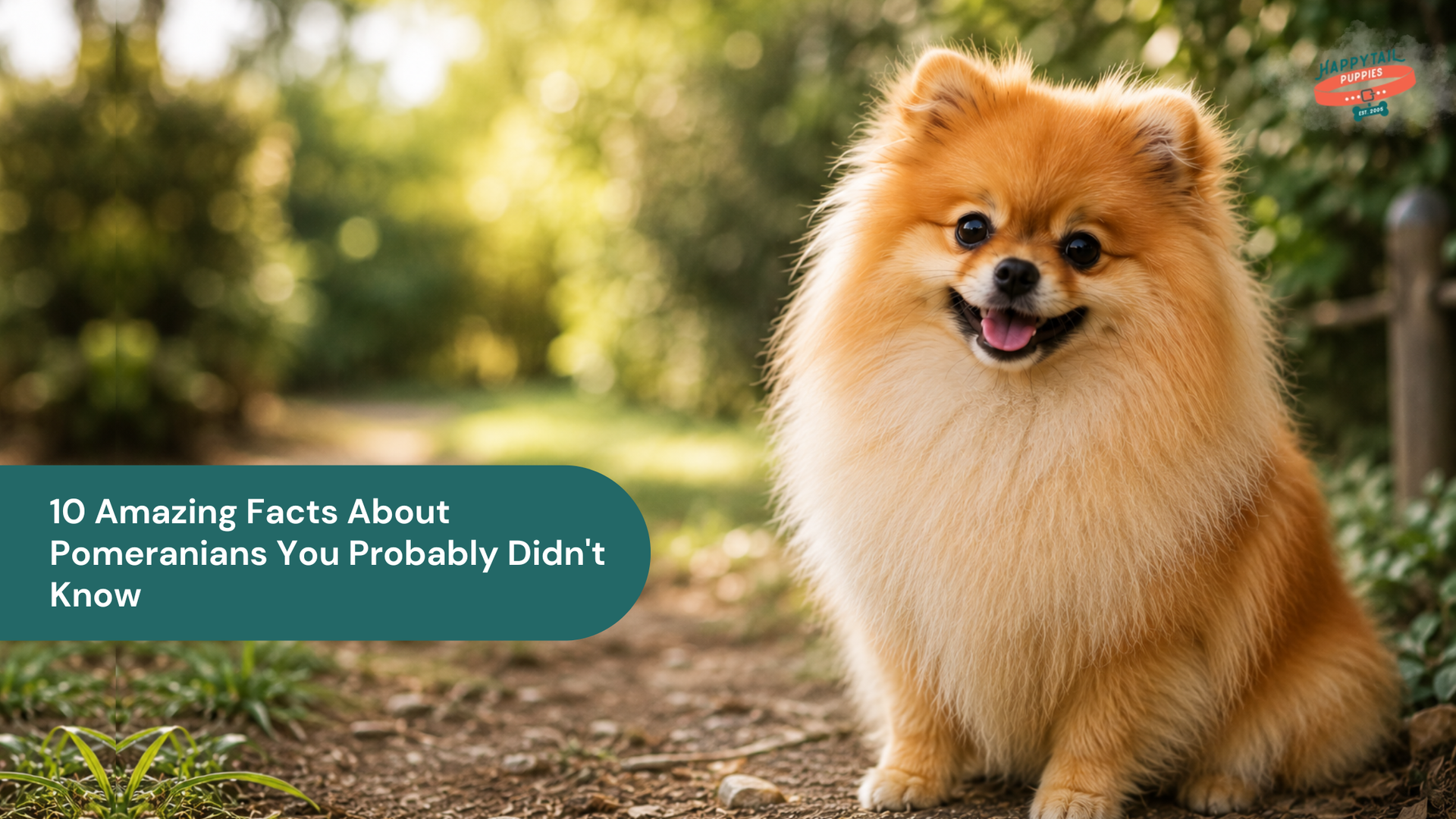
Pomeranians may be tiny, but they have a fascinating history and larger-than-life personalities. Discover 10 surprising facts about these fluffy companions, including their Arctic working-dog ancestry, royal connections, intelligence, colorful coats, shedding habits, and unique traits that make them one of the world's most beloved toy breeds.
⚡ Quick Answer
Pomeranians are tiny dogs with huge personalities and a fascinating history. Descended from larger Arctic Spitz dogs, they became favorites of royalty, including Queen Victoria. Known for their intelligence, confidence, fluffy double coats, long lifespan, and wide range of colors, they're one of the world's most beloved toy breeds.
🐾 Table of Contents
- Pomeranians Used to Be Much Bigger
- Queen Victoria Helped Make Them Famous
- Their Thick Coat Is Actually Double-Layered
- They're One of the Smartest Toy Breeds
- They Think They're Much Bigger Than They Are
- They Come in More Than 20 Coat Colors
- They Can Live a Long Time
- Barking Is Part of Their Nature
- They Shed More Than Many People Expect
- Every Pomeranian Has Its Own Personality
- Conclusion
If you’re exploring toy breeds, Pomeranians are the ones that you should know about. Their bold little personalities and fluffy coats make them hard to ignore. But, besides their looks, there’s a lot more to this breed than their cute looks.
These breeds have an astonishingly rich history, and their personalities are way beyond “small and fluffy.” Today, we’re going to share some interesting facts about Pomeranians that show a breed that was earlier much bigger, caught the eye of royalty, and continues to act like a giant dog trapped in a tiny body.
In this post, we are going to cover 10 fun facts about Pomeranians that most owners and future owners have never heard. Some might make you laugh, some might surprise you, and all of them will help you have a closer insight into your Pom.
1. Pomeranians Used to Be Much Bigger
It’s too hard to get a scenario about it today. But the Poms you know today come from a much larger working dog. Long before they became lap dogs, their ancestors handled tough outdoor jobs across colder climates.
Although today’s tiny Pomeranians are popular, it’s worth remembering that extremely small “teacup” dogs are never a different breed. Also, a clear idea about Teacup Pomeranian health considerations can help owners select a healthier pup from a responsible breeder.
Where they came from:
- Weighed roughly 30 to 50 pounds
- Descended from large Spitz working dogs
- Bred in cold regions near the Baltic Sea
- Originally helped pull sleds and herd animals
That type of work background explains why today’s Pom continues to carry a thick, weatherproof double coat for cold climates. This is even more so when their job description changed entirely.
2. Queen Victoria Helped Make Them Famous
The Pomeranian breed we know about today is shaped mainly by royalty. Queen Victoria’s personal taste in dogs has an immense impact on generations of breeding decisions that followed.
Her influence on the breed:
- Owned several Pomeranians during her reign
- Preferred smaller Poms over larger ones
- Favored a small red Pom named Marco
-
Her popularity influenced breeding toward today's toy size
Since several breeders wanted to match her preferences, the average Pomeranian size dropped considerably throughout the Queen’s lifetime. This has laid the groundwork for the toy-sized dogs that are bred today.
3. Their Thick Coat Is Actually Double-Layered
The fluffy coat of the Pomeranian is one of the breed's most recognizable features. It’s not just for their looks. The underlying structure explains a lot about how these dogs are bred.
Coat basics:
- Dense, soft undercoat
- Longer, coarser outer coat
- The combination creates the signature "poof"
- Why do they appear larger than they really are
Basic grooming needs:
- Brush several times a week to prevent mats
- Bathe occasionally with dog-safe shampoo
- Trim routinely around the paws and ears
Skipping grooming for too long can cause tangles that become tough to fix later. Therefore, routine upkeep can help keep their coat healthy.
4. They're One of the Smartest Toy Breeds
Are Pomeranians smart?
This is a common question among pet owners before they bring one home, and the answer is clearly yes.
Signs of their intelligence:
- Quick learners
- Respond well to positive reinforcement
- Can learn tricks easily
- Need mental stimulation to stay content
Pomeranians are known to learn things fast. That’s why they become bored easily. Trick training, puzzle toys, and short regular sessions keep their mind sharp and satisfied.
5. They Think They're Much Bigger Than They Are
You can ask any Pom owner, and they’ll tell you the same thing. These dogs have no idea of their size, how small they are, and it is almost visible in everything they do.
Their big-dog attitude:
- Big-dog personality packed into a tiny body
- Unshakable confidence around other animals
- Fearlessness that can outpace their common sense
- Importance of early socialization to manage it safely
This bold attitude is a part of what makes Poms so entertaining. But it often leads to issues around larger dogs. Therefore, early socialization matters more than what owners would expect.
6. They Come in More Than 20 Coat Colors
Among all the shared facts about Pomeranian dogs, their color variety often surprises people. Only a handful of toy breeds will offer these coat color variations.
Common colors:
- Orange
- White
- Black
- Cream
- Blue
- Chocolate
-
Parti-color
A note on merle
Merle Poms continues to exist. Although this pattern is controversial among breeders due to health concerns linked to the merle gene. Also, a few kennel clubs limit how merle-patterned dogs get registered.
7. They Can Live a Long Time
Poms are known to stick around as loyal companions for a long time. Their lifespan is one of the most reassuring facts for anyone planning to adopt a Pomeranian.
Typical lifespan and what affects it:
- Typically live between 12 and 16 years
- Genetics plays a major role in longevity
- Diet quality impacts long-term health
- Regular exercise supports joint and heart health
- Dental care and routine vet visits catch problems early
Yet another essential part of nourishing your Pomeranian is providing a balanced diet that matches their activity level, age, and overall health. Portion control, fresh water, and premium dog food play a critical part in helping your Pom to remain active and maintain an optimal weight throughout their lifespan.
8. Barking Is Part of Their Nature
Poms are very serious about their role as watchdogs. Even though they weigh only a couple of pounds, their alertness is bred in and is visible early.
Why do they bark so much?
- Naturally alert dogs
- Finds small changes in their surroundings
- Ideal as watchdogs irrespective of their size
Training tips to reduce excessive barking:
- Ensure to teach them the “quiet” command
- Offer them sufficient mental stimulation
- Remain consistent with training from puppyhood
Following the right approach, excessive barking in Poms can be managed without losing their natural watchdog instinct. This is what most owners actually want to keep around.
9. They Shed More Than Many People Expect
The size of a Pomeranian should never fool you when you plan to bring one home. These breeds do shed more than a dog owner would expect. So, staying prepared can help you in the long-term.
Shedding patterns:
- Known to shed lightly throughout the year
- Can go through an occasional coat blow at least twice a year
- Loses a huge amount of undercoat at such times
Grooming expectations:
- Regular brushing during coat blow season
- Always use an undercoat rake or a slicker brush
- Even if it's not a shedding season, keep a regular brushing routine constant
Following a consistent routine can control their shedding and keep their coats looking full, preventing painful mats from forming under that fluff.
10. Every Pomeranian Has Its Own Personality
Although the breed shares many common traits, every Pom is different in their own way. Their individual personalities are shaped by traits that go beyond genetics.
Common personality traits:
- Affectionate
- Playful
- Independent
- Loyal
What shapes their temperament:
- Genes that are passed down from their parents
- Consistent and quality of training provided
-
Individual temperament varies based on training, genetics, and socialization
One of the funniest parts is knowing your Pom’s quirks, and that’s exactly what makes this breed a winning companion.
Conclusion
Although Poms are tiny, their personality and history are not. Royal fame and sled-pulling ancestors offer this breed a historic legacy that’s worth knowing for most owners. Their smartness, loyalty, and confidence make them forever companions for the right type of household.
All these facts combined can help future owners understand their expectations. Only one would need a bit of research to give these small pups a big life they truly deserve.
Frequently Asked Questions
Are Pomeranians good for first-time dog owners?
Yes, though they do best with owners willing to commit to consistent training and grooming. Their small size makes them manageable, but their strong personality and tendency to bark mean they need patient, hands-on owners.
Do Pomeranians shed a lot?
Yes, more than their size suggests. They shed year-round and experience heavier seasonal shedding periods that require extra brushing.
Are Pomeranians hypoallergenic?
No breed is truly hypoallergenic, and Pomeranians are no exception. Their double coat produces regular dander, so allergy sufferers should spend time with the breed before committing.
Do Pomeranians get along with kids and other pets?
Many do, especially when raised around them from puppyhood. Because of their small size, supervision is important around young kids and larger pets to avoid accidental injury.
How much exercise do Pomeranians need?
Not much. Short daily walks and some indoor playtime are usually enough to keep them happy and healthy.