
10 Signs Your Dog Trusts You Completely
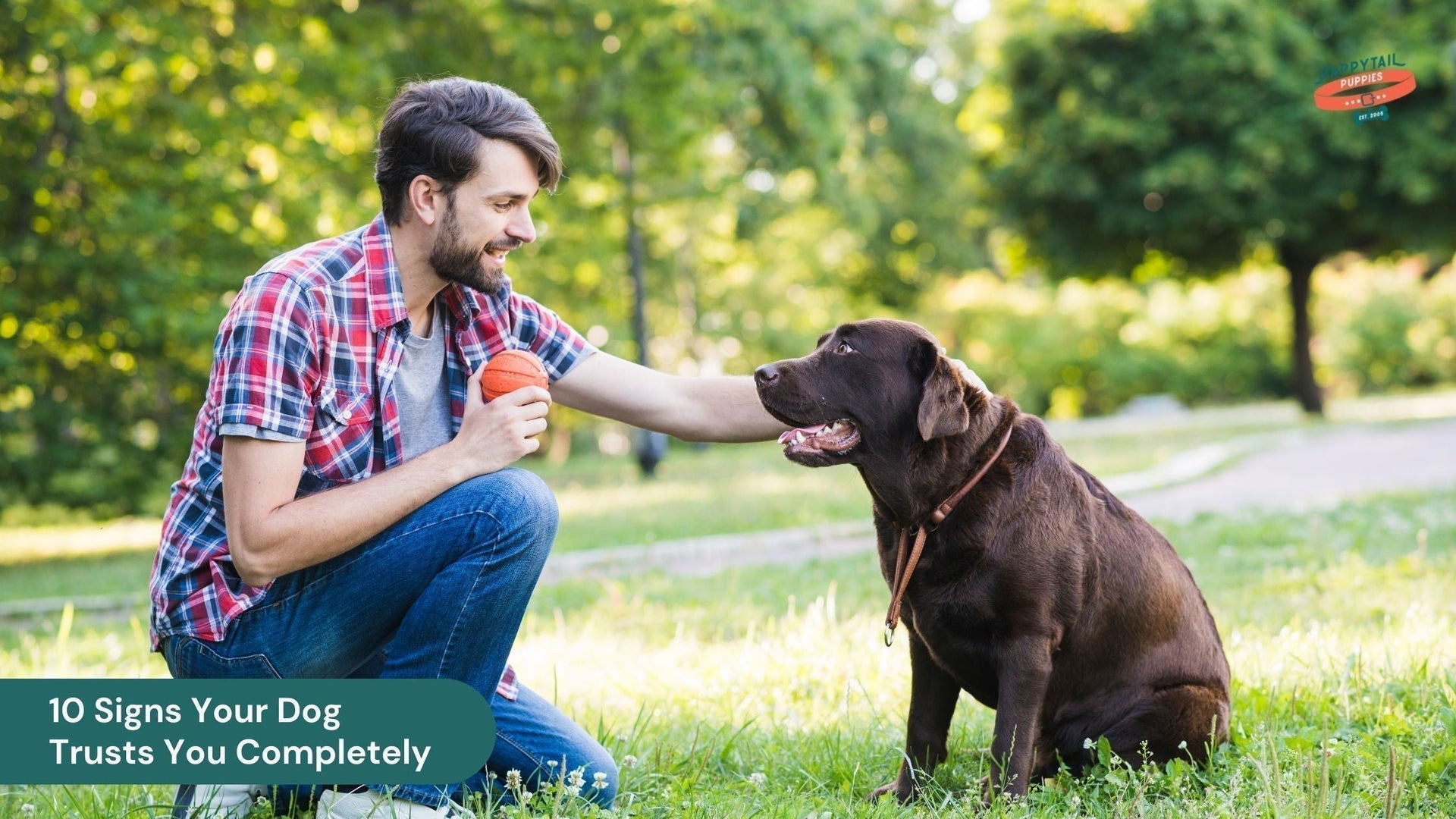
Trust in dogs is built through routine, consistency, and emotional security. Since pups can’t use words, they reveal their bond through subtle body language like relaxed sleeping positions and "belly-up" poses. Explore the 10 key signs that prove your dog feels safe, protected, and completely at home with you.
🐾Table of Contents
Trust lays the foundation for a strong relationship, including the one you share with your pup. Unlike humans, dogs do not verbalize trust. Instead, they reveal it through their gentle and adorable behaviors deep-rooted in instinct, emotional security, and body language.
Typically, trust develops silently through routine care, consistent behavior, and gentle communication. A few signs may appear gentle, while others appear deeply connected or emotional. Knowing such behaviors strengthens connections and enhances companionship over time. In our post today, we are going to discuss the emotional signs that reveal safety and comfort through clear daily actions known as the signs your dogs trust you.
What Is “Trust” in Dogs?
Trust within dogs illustrates emotional comfort, not obedience or mechanism. A Teacup Maltipoo, when snuggling up to its owner, shows trust from its calm behavior, not from command. Trust is the quality that allows dogs to feel self-sufficient, understood, and emotionally safe in their surroundings.
Studies, shared by the American Veterinary Society of Animal Behavior (AVSAB), show that dogs who grow up with kind and predictable human interactions tend to have lower stress hormones and better emotional regulation.
Factors That Influence a Dog’s Ability to Trust
Many things contribute to the level and quickness of a dog’s ability to trust. Each experience shapes emotional safety and behavioral ease.
- Early Life Experiences: Positive puppyhood experiences build emotional flexibility. Exposure to calm environments, stable routines, and gentle handling is the way a dog learns safety and predictability. It also fosters confidence, curiosity, and social skills.
- Owner Consistency: Consistency in handling is the way to clear up emotional fog. Ensure a calm guidance, predictability, and a daily routine, and you, the owner, will build a stronger bond through emotional reassurance and stability, and also will reinforce trust, confidence, and attachment.
- Training Approach: Trust is built much quicker when the dog is not scared. Use of reward-based training encourages the dog to cooperate. When the guidance is supportive, it is much better than when it is forceful. Emotional confidence is fostered through patience, consistent actions, gentle and kind actions, and reliability.
- Breed Temperament: The characteristics of a breed affect how and when trust is demonstrated. For example, a small breed dog like the Cavapoo usually shows attachment through proximity and physical affection. Emotional bonding is easier through attentive and nurturing care that fosters confidence, security, trust, comfort, and attachment.
-
Living Environment: A peaceful environment is a significant factor in anxiety reduction. For dogs, the combination of safe spaces, familiar auditory stimuli, and predictable movement patterns of their owners provides relaxation and emotional security within a home environment. This contributes to stability, comfort, trust, confidence, and overall wellbeing.
How to Know If Your Dog Trusts You
Trust reveals itself through consistent emotional and physical behaviors. These signs develop gradually and strengthen through daily interaction, patience, and care.
Sign #1: Calm Eye Contact
The absence of unease and the presence of confidence are illustrated through calm eye contact. Relaxed, trusting dogs gaze softly. They do not avoid or stare fixedly. They exhibit behaviors of comfort and connection. Trust is further reinforced when eye contact is accompanied by positive feelings and reassurances. Positive reinforcement techniques in dog training strengthen emotional bonds and reduce fear responses, associating calm eye contact with safety and rewards.
Sign #2: Relaxed Sleeping Positions
Positions when sleeping show emotional security. Dogs rest on their sides and backs only when feeling safe and loose and not tense. Trust and emotional comfort are shown when choosing to sleep in close proximity. Relaxed sleeping positions reflect the belief that the dog is guarded and protected, and does not have to be on high alert. Sleeping patterns that are relaxed show trust in the presence of humans and confidence in the safety of their surroundings.
Sign #3: Belly-Up or Exposed Tummy
The greatest indicator of trust is showing off their belly. Since exposing the belly shows that a dog has dropped its guard and is emotionally comfortable, the posture demonstrates complete trust. They show their belly when they feel confident. The American Kennel Club (AKC) explains that when a dog shows belly in a relaxed manner, they are in a space that is low in stress. They feel emotionally safe and are guarded and protected by their favorite humans.
Sign #4: Following You Around
When a dog follows you around, they do not depend on you. A dog following you without being anxious shows that they trust you, are emotionally confident, and feel that they are in a safe environment. A dog that is not anxious is showing that they are comfortable and it is safe for them to be near you. A dog often follows their owner to provide emotional security and anchor their presence to daily routines and overall environment, reinforcing emotional stability and comfort.
Sign #5: Calm Departures
When a dog is relaxed and not stressed about you leaving, it shows that the dog trusts you and the dog is relaxed around you. A dog that is calm and relaxed is often confident in the routines and the return. Removing the anxiety around daily departures not only enhances the emotional stability of the dog, but also builds their confidence through gradual separation and reassurance. For this, pet owners should know how to socialize their dog to build confidence and promote calm separation.
Sign #6: Favorite Toys Offered to You
When dogs share their toys with their people, they demonstrate emotional generosity and trust. Dogs share toys as a way to bond socially. Dogs convey a desire to connect when they share rather than guard their resources. Dogs share emotional control when they allow their people to take their toys. Offering toys signals emotional generosity and a desire to engage. Dogs share their valued possessions with people to reassure themselves that the interaction is safe and positive.
Sign #7: Attentive to Your Voice
Emotional recognition is described as trust, and dogs masterfully demonstrate that with their attentive listening to the voice. Voice helps humans to communicate with dogs. Some are easily manipulated, and their listener is the calm voice directed to them. Ownership of a dog provides them with voice control, a direct, calm voice, and demonstrates trust and provides direction. Research from the NIH shows that dogs respond to their owners and show even more emotional recognition from the voice. Dogs show reliance on positive interactions and build emotional security within themselves.
Sign #8: Leaning Into You
Leaning onto someone portrays comfort, reliance, and emotional trust. Dogs often lean towards reliable individuals for grounding and reassurance. This type of behavior projects a strong connection instead of balancing support. Emotional awareness plays an integral part in this response. Leaning often surfaces besides behaviors as discussed in signs of dog intelligence that reveal advanced emotional processing, social understanding, and the ability to seek comfort through reliable relationships.
Sign #9: Comfortable Handling
The ability to touch sensitive regions shows a great deal of confidence. The paws, ears, and mouth remain closed until the risk is gone. Acceptance is a form of confidence and suggests the presence of a kind protector. Small dog breeds like a French Bulldog display soft handling after gaining emotional confidence. Good handling aids grooming, health checking, and daily managing while during necessary contact, calm, and confidence, and relieving fear, resistance, and stress.
Sign #10: Seeking Comfort When Scared
Wanting to be hugged when afraid shows high emotional dependence. When dogs feel stress, hear loud sounds, or see something strange, they look for safe places. Looking for a human during these times confirms emotional attachment and trust. Loss of tension and heartbeat is reported by the American Veterinary Medical Association (AVMA) when dogs sit close to their trusted humans. This shows confidence in the provider of emotional charge, calm, and protection while fear is present.
Tips to Build More Trust
Trust develops over time through repeated actions and emotional recognition. Small behaviors can provide emotional anchors for the future.
- Practice Gentle Communication: Fear is reduced through the use of a soft voice and calm hand movements. In addition, emotionally balanced, clear, and fear-free communication supports the desired behaviors and creates safety without the use of negative reinforcement, pressure, or confusion.
- Stick to Predictable Routines: Emotional stability and security come from consistent feeding, walks, and rest. Predictability and daily structures calm behaviors, build trust and confidence, and reduce stress by increasing understanding of the expectations.
- Use Reward-Based Training: Positive rewards strengthen trust, improve emotional regulation, and support success. The American Kennel Club (AKC) published research stating that the use of these methods reduces fear and improves emotional response.
- Respect Emotional Boundaries: Allow space during stressful moments. Watching body signals reinforces emotional safety, builds trust, respects their boundaries and encourages dogs to engage confidently, without pressure, force, or fear.
-
Create Safe Rest Areas: Designated quiet areas allow emotional decompression and recovery. Dogs trust spaces where they know they can retreat to an area that is safe, predictable, comfortable, and respected. This supports relaxation, independence, and emotional balance without interruption or pressure, on a daily basis.
Conclusion
Trust develops through shared experiences, not as a quick ‘fix’. Emotional safety grows quietly, through patience, understanding, and kindness. Every dog expresses trust in their own unique way, and that behavior is shaped by the care and the environment. Watching these signals pulls emotional awareness and increases the bond of companionship, naturally. Trust supports happiness and long-term emotional balance, and this benefits both the human and the dog through everyday interactions.
Related Articles: