Dog Stomach Gurgling: A New Puppy Owner’s Guide to GI Health
Bringing home a new puppy invites moments of ultimate chaos as curiosity enriches every nook and corner of your life. Those tiny little paws race across the floor, toys scatter throughout the floor like confetti, and each new day showcases new surprises that you never had the idea of signing up for. While a few moments are adorable, others may lead to confusion and ultimately become strange.
The initial quirk that several new pet parents witness is the unexpected symphony that arises from your pup's belly. A sound that appears both amusing and a bit alarming. Such mysterious stomach rumbles often raise concerns about the pup's health and comfort, as well as what is considered normal behavior for a growing dog.
In our post today, we are going to unpack these noises to help you dive deeper into the world of dog stomach gurgling.
What Is Dog Stomach Gurgling?
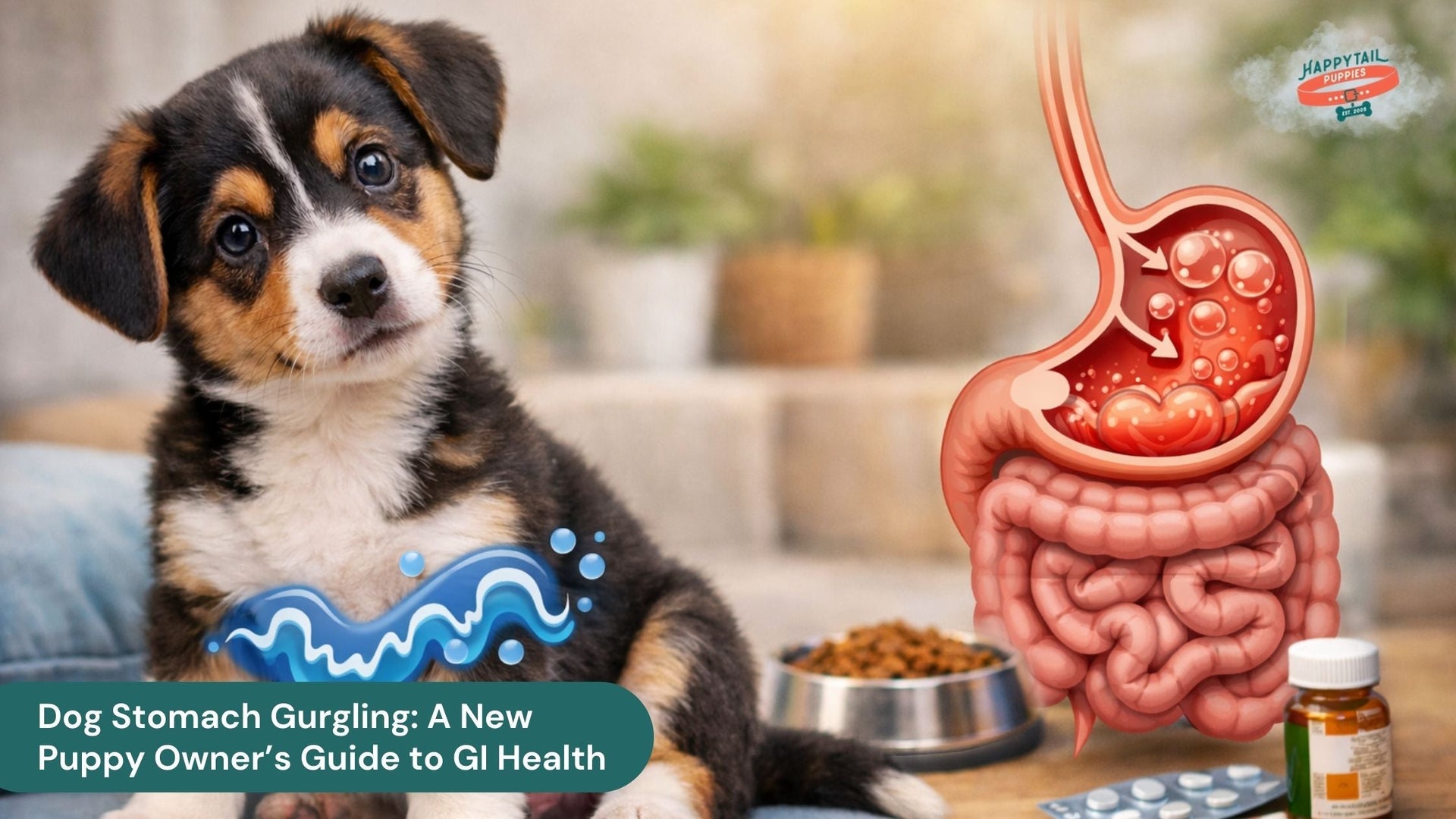
Stomach gurgling, or medically termed as borborygmi. Such sounds arise from the movement of fluids and gases through the intestines during digestion. Pups often experience louder digestive sounds than adult dogs since:
- Their digestive systems are still developing
- They are starting to adjust to the new food
- They eat super fast and swallow air
-
They explore the world by placing everything into their mouths
Occasional gurgling is typically harmless. Painful or persistent common symptoms need attention. Several new owners often find their dog's stomach making noises during normal digestion. It is a sound that is visible when the pup rests or lies down quietly
Common Causes of Stomach Gurgling in Puppies
The gastrointestinal (GI) system of your pup is working almost consistently to break down food, move gas, and absorb nutrients. Gurgling often arises when:
Normal Digestion is Happening
Similar to humans, dogs might have noisy stomachs. The digestive tract generates natural sounds as food and gas move throughout the intestines. Otherwise, if your pup is acting normal, the condition is generally harmless.
Hunger or an Empty Stomach
Prolonged gaps between meals cause stomach contraction, generating rumbling noises. Pups has faster metabolism and are prone to stomach gurgling.
Gas Formation
Pups swallow a lot of air when they eat quickly or play right after their meals. The gas creates gurgling or bubbling sounds as it moves through the intestines.
Diet Changes
Introducing new food to pups can rapidly disrupt gut bacteria, which can cause temporary sounds in their small tummies, soft stools, or mild cramping.
GI Upset or Mild Inflammation
The general triggers include:
- Eating something they shouldn’t (grass, toys, table scraps)
- Rich treats
- Food intolerances
- Stress or travel
- Bacterial imbalance
Parasites
Intestinal worms that are common across pups and cause:
- Stomach noises
- Diarrhea
- Vomiting
- Pot-belly appearance
Here, it is important to schedule routine deworming for your pup.
More Serious GI Issues
Although this is less common, conditions such as intestinal blockage, pancreatitis, or serious infections can cause gurgling, which is often a clear indication that something is very wrong.
When Is Stomach Gurgling a Cause for Concern?
While occasional noises are normal, watch for additional symptoms that may indicate a more serious issue:
- Vomiting
- Diarrhea (especially bloody stool)
- Loss of appetite
- Lethargy
- Abdominal pain (whining, hunched posture)
- Swollen or firm belly
Serious bloating associated with restlessness can indicate a medical emergency, such as gastric dilatation-volvulus (GDV). It is, however, common in small dog breeds, such as a Miniature Dachshund, when they show signs of extreme discomfort. This necessitates immediate attention.
Breed Sensitivities and Digestive Health
A couple of breeds might have more sensitive stomachs than the rest.
- Small dog breeds like a Teacup Yorkshire Terrier and a Teacup Chihuahua. They are known to have a fast metabolism and often experience stomach gurgling related to hunger.
- Medium breeds like Beagles are known for food-induced behaviors that increase the risk of ingesting or overeating harmful items.
- Bigger breeds are often at higher risk of severe bloating.
Each pup is known to bear some unique trait. It is important to check your pup's specific patterns.
How to Soothe a Puppy’s Gurgling Stomach
If your pup appears comfortable and shows no warning signs, then you can try the following:
Choose Nutrient-Dense Puppy Food
A lot of pet owners ask themselves "what can I give my dog with a gurgling stomach" situations, and the answer is usually always within the line of mild dietary therapy and close monitoring. The key to proper digestion in your puppy is proper nutrition. Quality, age-specific food is helpful in the development of the gut, the formation of balanced stool, and the healthy absorption of nutrients during high growth rates in early life.
Focus on these essentials:
- High-quality protein
- Balanced fiber levels
- Minimized artificial preservatives
- Breed-appropriate formulas
Early food choices will help prevent chronic digestive issues and promote robust gastrointestinal health, supporting lasting vitality and consistent progress. Knowledge of the role of probiotics in dog food is also helpful in strengthening the digestive system, since healthy bacteria promote easier nutrient absorption and a healthy functioning gut.
Maintain a Consistent Feeding Schedule
Puppies are creatures of habit, and so far as digestion is concerned. Planned meals help control stomach acid levels, reduce hunger, and facilitate more efficient nutrient processing throughout the day.
Try having a predictable routine with the help of:
- Fixed meal times
- Measured portion sizes
- Age-based frequency
- Gradual schedule adjustments
A steady feeding routine reduces unnecessary stomach rumbling and teaches your puppy healthy eating rhythms that improve digestion and minimize gastrointestinal discomfort. A common experience is a dog's excessive drooling when mealtime expectations shift, underscoring the importance of structured feeding patterns for digestive comfort.
Transition Foods Gradually
A sudden change in diet may shock the sensitive digestive system of a puppy. A gradual shift will allow the body to adapt to beneficial intestinal bacteria and help avoid gas, watery diarrhea, and excessive stomach sounds.
Follow a careful transition plan:
- Seven-day mixing period
- Gradual ratio increase
- Monitor stool consistency
- Avoid sudden swaps
Avoiding obvious changes in food will maintain intestinal balance and reduce the risk of digestive upset, allowing your puppy to adapt to new diets comfortably. The introduction of a raw food diet for dogs can be even slower because the more concentrated the food is, the harder it will be for the sensitive digestive system to tolerate the transition.
Slow Down Fast Eating Habits
Most puppies underfeed at an alarming rate, and gulp air with food. This habit further contributes to bloating, gas accumulation, and various loud stomach resonances that can make the post-meal experience uncomfortable.
Encourage slower eating with:
- Slow-feed bowls
- Puzzle feeders
- Smaller meal portions
- Supervised mealtimes
Slowing down eating allows one to eat less air and helps improve smooth food digestion, reducing unwanted stomach gurgling and enhancing overall gastrointestinal well-being.
Prioritize Routine Deworming Care
Young puppies can carry intestinal parasites, which may disrupt nutrient absorption. Routine deworming supports the developing digestive system and helps prevent symptoms such as diarrhea, bloating, and constant gurgling.
Stay proactive with:
- Vet-recommended schedule
- Routine fecal exams
- Preventive medications
- Clean living spaces
Frequent parasite treatment will keep your puppy's gut happy and help it grow steadily without undiagnosed digestive issues caused by internal infections.
Support Healthy Hydration
Water is more important in digestion, as it assists in nutrient transport and maintains the proper consistency of stool. Dehydration may slow intestinal motility and cause unpleasant gastrointestinal sounds.
Encourage adequate hydration by:
- Fresh daily water
- Clean water bowls
- Multiple water stations
- Monitor intake levels
Proper hydration helps maintain a smooth digestive system and prevents constipation, excessive gas, and unwarranted rumbling of the stomach. Can I give milk to my dog? is also a frequent question asked by many owners when there is an issue with hydration, but milk can spoil the developing or lactose-sensitive gastrointestinal system of the puppy.
Minimize Stress-Related Digestive Upset
Emotional stress directly affects a puppy's gut function. Temporary events that disrupt digestion and cause increased stomach sounds, or liquid stool can be observed in a changed environment, during training, or during routine.
Ensure a peaceful environment with:
- Consistent daily routine
- Training in positive reinforcement.
- Quiet sleeping space
- The environment exposes and is exposed to
Stress relief will keep your gastrointestinal tract healthy and, in a way, keep your puppy with a healthier, more comfortable digestive system, as their system will be in better health and easier to operate.
Preventing Future GI Upset: Best Practices for New Puppy Owners
To ensure an adequate digestive system, we can establish the following daily habit to help a puppy grow. By ensuring consistent smart feeding choices, it is possible to reduce stomach problems.
Establish Consistent Feeding Routines
Hunger may be controlled with the help of a regular schedule that helps get rid of symptoms linked to the stomach and digestion. Organized routines can help keep the pup’s energy under control, and frequent meals can facilitate bowel habits.
Try to apply such convenient methods:
- Set feeding windows
- Avoid late meals
- Keep portions steady
- Use measured scoops
Follow a regular routine, as it is safer for your puppy and makes digestion easier.
Introduce New Foods Gradually
An abrupt change in diet may alter gut bacteria, causing temporary discomfort. The gradual integration enables the digestive system to settle in a normal way, without the discomfort-provoking provocation.
Based on this transition approach:
- Mix small amounts
- Increase gradually
- Monitor stool changes
- Track appetite behavior
A conscious change in diet is a way to avoid unnecessary stress on the stomach and to make nutritional changes smoothly.
Encourage Slow, Calm Eating
Rapid food consumption increases the volume of air and gas swallowed, leading to gurgling or slight bloating. Resting your puppy helps improve digestion and reduces discomfort after meals.
Support slower eating with:
- Slow-feeder bowls
- Smaller portions
- Calm meal spaces
- Limited distractions
Feeding your puppy in a soothing environment kills the digestive enzymes and promotes better feeding habits.
Maintain a Clean, Puppy-Safe Environment
Blocking access to harmful items reduces instances of dietary excess. A monitored space will reduce the chances of consuming the wrong objects and intoxication.
Pay attention to the following precautions:
- Block trash access
- Remove small items
- Secure chemicals safely
- Monitor outdoor areas
A safer home means your puppy is not subjected to unnecessary GI upsets, and their daily exploration is not put at risk.
Support Gut Health with Veterinary Guidance
Regular checkups make sure that parasites or intolerances, as well as underlying problems, are detected in time. The input from people in professional roles keeps digestion moving in the right direction as the puppy grows.
These studies have been known to help in the following ways:
- Routine deworming
- Quality probiotics
- Vet-approved treats
- Annual wellness exams
The strength of the digestive system is a common focus in veterinary partnerships, and personalized guidance based on your puppy's needs as they change.
When to Contact Your Veterinarian
According to recent clinical data released by the American Veterinary Medical Association (AVMA), early evaluation of puppies with gastrointestinal distress has increased their survival rates. More timely diagnosis would facilitate recovery that is safe and would assist in reducing risk factors tied to dehydration, the emergence of an infection, and unexplained problems of the digestive system.
It is important to contact a vet if you find any of the following warning triggers:
- Frequent vomiting
- Bloody or frequent diarrhea
- Visible loss of appetite
- Consistent weakness or fatigue
- Tense or broadened abdomen
- Drooling followed by restlessness
- Signs of abdominal pain or discomfort
- Suspecting any foreign-object ingestion
Young puppies tend to dehydrate faster and more severely, so it is always better to act immediately.
Conclusion
New pup owners may be surprised at times when a dog starts to gurgle in the stomach. But in too many cases, it is simply the product of good digestion. Learning the most significant differences between normal and indicative sounds of the stomach and signs of gastrointestinal distress is the way that you will be able to respond with confidence and keep your pup active.
A stable diet, paying attention to their behavior, and consulting a vet when necessary can help you prepare your pup's digestive system to develop. Now make this puppyhood a stage of pleasure and a time of peace.