

How to Stop a Dog From Barking: A Complete Guide
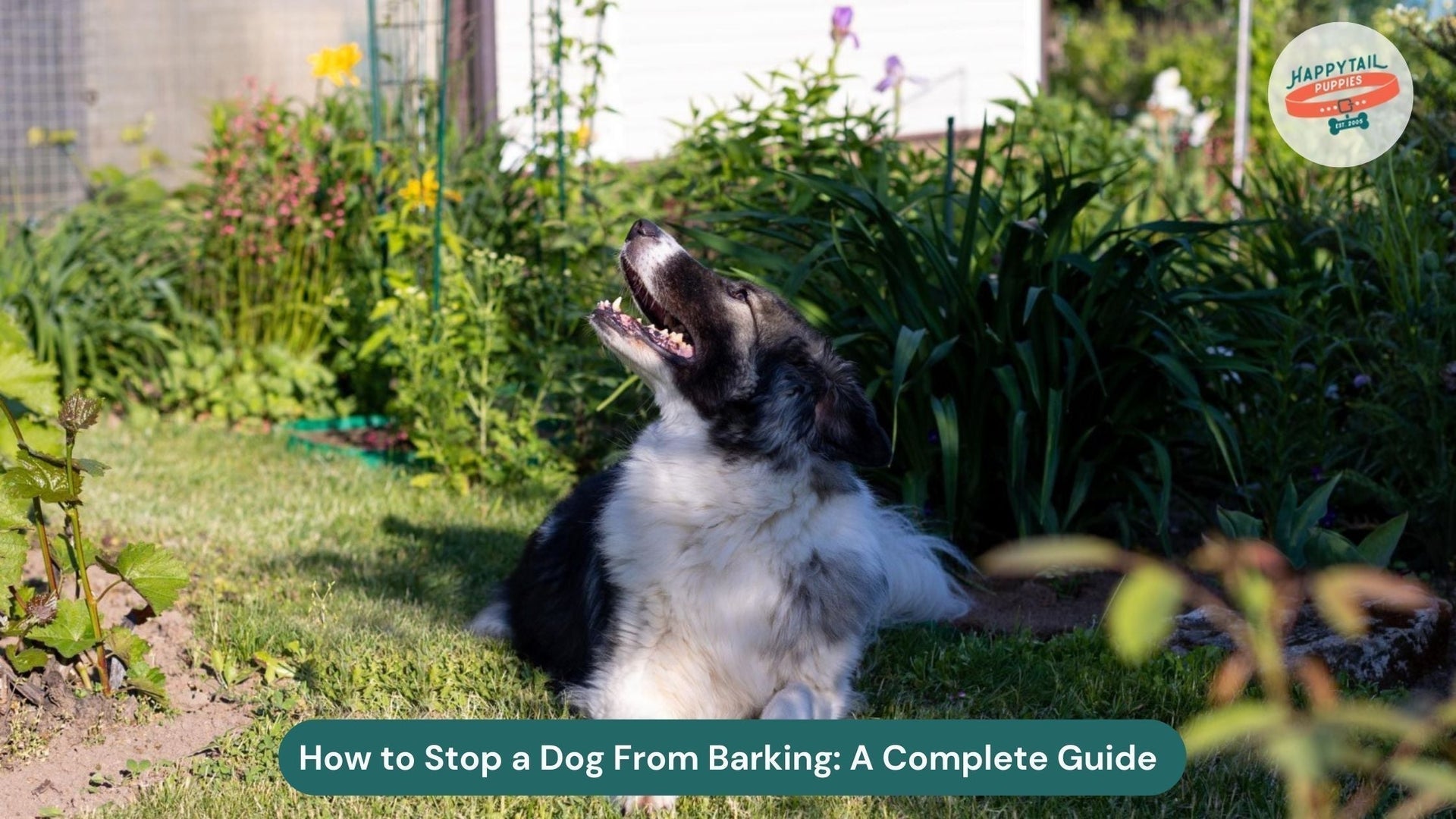
Barking is a natural form of communication, but constant noise often signals unmet needs. From boredom to anxiety, learn how to identify your dog's triggers and use practical, reward-based strategies to restore peace and quiet to your home.
🐾Table of Contents
Dogs bark to communicate, safeguard their space, or release their pent-up energy. Barking occasionally is normal; however, constant noise can disrupt sleep, cause relationship strains, and shift our focus to unmet needs. Knowing why barking takes place is the first step towards achieving a calm behavior.
Responses of each dog are different, and the solutions should align with their personality, routine, and environment. Simple changes in their mental stimulation, training, and daily structures create visible improvements. In this post, we are going to define the practical approaches, common causes, and realistic expectations to know how to stop a dog from barking.
Common Reasons Dogs Bark Excessively
Overbarking does not normally occur without any cause. Dogs bark to express their emotions, to warn, or to relieve stress. The root cause is used to select the appropriate solution rather than guessing or responding in an angry way. Knowledge of the cause can help stop dog barking through calm, constant, and humane measures.
- Boredom and Lack of Stimulation: Dogs that do not get adequate physical activity or mental stimulation tend to bark to dispose of some of the energy and frustrations stored up.
- Fear and Anxiety: Barking can be caused by unfamiliarity with a sound, person, or setting, or by nervousness or insecurity.
- Territorial Behavior: Dogs have the instinct to guard their territory and bark at people or creatures outside their windows and doors.
- Attention Seeking: Other dogs learn that eye contact, food, or interaction is rewarded with barking, and the behavior becomes reinforced.
-
Separation Stress: Spending excessive time alone may lead to disturbing barking rather than disobedience.
Identify Your Dog’s Barking Triggers
Barking triggers identified well will correct behavior without frustration. Thoughtful observation reveals patterns related to the environment, emotions, and acquired responses.
Environmental Sounds and Visual Stimuli
Barking is usually provoked by the environment and its noises and visuals. The alert instincts are triggered by doorbells, traffic, passing people, and animals. Reactions are enhanced by regular exposure. Observation helps recognize cues to adjust to the surroundings. Curtains, sound control, and controlled exposure inhibit unnecessary stimulation and facilitate calmer behavior during daily routines.
Breed Characteristics and Natural Alertness
Breed traits affect vocal behavior. Small dog breeds like the Miniature Schnauzer are naturally watchdogs and respond strongly to motion and unfamiliar sounds. Genetic alertness makes one more sensitive. Breed tendencies help to avoid unrealistic expectations. Individualized training honors instincts and guides appropriate responses, enhancing collaboration, self-assurance, and lasting behavioral equilibrium at the domestic level.
Emotional State and Daily Stability
The response of the dogs to triggers depends on their emotional state. Barking is increased by stress, frustration, or insecurity. Abnormal schedules, lack of exercise, and lack of contact increase stress. Routine schedules and enrichment encourage calmness. Emotional balance is enhanced when dogs feel safe, active, and encouraged by predictable care, effective communication, and regular daily interaction patterns.
Separation and Isolation Responses
Isolation-associated barking is a sign of distress and not misbehavior. The dogs also bark when they are left alone and lack coping mechanisms. According to research provided by the American Veterinary Medical Association (AVMA), more than 20 percent of dogs exhibit separation-related behaviors such as vocalization. Early identification allows gradual independence training, minimizing anxiety and overbarking.
Learned Reinforcement From Human Behavior
Barking is greatly determined by human reactions. Dogs learn that they can achieve their goals by attention, eye contact, or verbal reactions. Learned behavior is reinforced through repetition. Expectations are changed by calm neutrality during barking and by rewards for silence. The consistent response sets the dogs on a path toward less expressive communication, emotional self-regulation, and healthier interaction patterns in the long-term context of everyday life.
Top Tips to Stop a Dog From Barking Excessively
The tips below focus on practical behavior changes that reduce the triggers of barking. Both methods are effective in a consistent and relaxed manner over time.
Provide Adequate Exercise and Mental Engagement
The energy that is not applied is usually transformed into excessive barking. Dogs require physical exercise and mental challenges to remain balanced. The American Kennel Club (AKC) recommends that dogs be properly exercised daily to reduce the likelihood of behavior issues, such as barking. Taking walks, training sessions, scent games, and puzzle toys are constructive ways of releasing energy. The mind stays active, frustration is minimized, and calmer behavior is promoted throughout the day.
Address Stress Before It Turns Into Noise
In most cases, stress comes in the form of barking, pacing, or drooling. Some of the approaches to prevent excessive Dog Drooling, like enrichment, quiet rest spots, and predictable routines, also lower stress-associated barking. As soon as dogs are secure and satisfied in their minds, their emotional regulation is enhanced. Reduced stress levels result in less sensitivity to daily triggers and the ability to calm down without becoming overly vocal.
Reward Silence Instead of Responding to Barking
Dogs repeat the actions that lead to positive results. According to the Humane Society, reward-based training results in trust and long-term change of behavior. Praising quiet moments can teach dogs that being quiet is effective. Unnecessary barking should be ignored because it eliminates its effectiveness. With time, the quietness of behavior will be more rewarding than noise, leading to a decrease in barking under typical provocation conditions.
Limit Repeated Exposure to Barking Triggers
With repeated encounters with triggers, the dogs learn to bark automatically. Voice is frequently aroused by visual movement, street noise, and passing animals. Highly alert small dog breeds, like a Miniature Dachshund, respond fast to such signals. Obstructing the sight of the windows, limiting noise, and controlling access to the outside area decrease the stimulation. Reduced triggers keep dogs calm and avoid repetition of the same behavior of barking.
Teach Puppies Appropriate Ways to Communicate
Puppies bark as they learn to express their needs. A firm but gentle form and a consistent response help prevent puppy whining from becoming a long-term habit. Balance can be learned by ignoring attention-seeking noise and rewarding calm behavior. Pre-school instructions create trust and communication. Puppies also know that silence of behavior is rewarded by comfort and communication, and they end up not barking a lot even in their adulthood.
Keep Training Rules Consistent Across Behaviors
When rules are not applied consistently, they leave one confused and anxious, resulting in barking. Obvious habits that prevent a dog from peeing in the house. also enhance emotional safety. Anticipated expectations help dogs learn which behaviors are effective. The uniformity of the training fields creates credibility, minimizes stress, and decreases the vocal reactions triggered by doubts or conflicting signals in everyday communication.
Mistakes to Avoid When Trying to Stop Barking
Good training needs the knowledge of pitfalls that unwittingly support the act of barking.
- Emotional Reactions Increase Barking: Yelling or visible frustration are also emotional responses that indicate instability, and the dogs take in that tension, so they bark more instead of calming down.
- Inconsistent Responses Confuse Dogs: According to research conducted by the American Kennel Club (AKC), inconsistent responses during training confuse dogs, delay progress, and hamper the success of training. Consistency is therefore necessary in changing behavior.
-
Punishment Creates Fear-Based Barking: Punishment destroys trust, instills fear, and teaches dogs to defend themselves by yelling, making anxiety-induced vocalization more pronounced rather than being addressed calmly with humane teach-back strategies.
When to Seek Professional Help
Some barking patterns may require professional intervention to protect emotional and physical health.
- Persistent Anxiety Indicators: Pacing, destruction, withdrawal, or continuous barking are constant signals of anxiety disorders that may need professional assistance in a structured way to preserve emotional well-being and secure long-term behavioral stability.
- Aggression Linked Vocalization: Professional intervention, as advised by the American Veterinary Society of Animal Behavior (AVSAB), has been shown to significantly reduce aggression associated with barking and improve safety for dogs and their families.
-
No Improvement After Consistent Training: Failure to improve despite regular training is an indicator of underlying behavioral or medical problems that qualified experts are best positioned to address to provide viable long-term solutions.
Conclusion
Barking is a sign of communication, not disobedience. The most effective way to improve is to understand what motivates you and respond calmly. Regular practice, effective instruction, and positive reinforcement transform habits without fear. Each dog has a different learning pace, influenced by experience and environment. Trust and confidence are built through patience, which naturally reduces excessive barking.
Through careful daily exercising, balanced training builds strong bonds, mends broken relationships, and sustains emotional health in both dogs and households over the long term.
Frequently Asked Questions
Can barking ever be completely stopped?
No, it is possible to reduce barking through training, routine, and understanding, but natural communication is everyday.
Can older dogs still learn to bark less?
Older dogs can learn to be quieter over time with patience, consistency, and positive reinforcement.
Does punishment help reduce excessive barking?
Punishment causes more fear and anxiety and usually worsens the barking rather than teaching suitable and proper responses.
Does exercise really help stop barking?
Exercise is a method of reducing barking behavior by expending energy, decreasing stress, and eliminating boredom-related behavioral issues.
When should professional help be considered?
Barking associated with aggressiveness, anxiety, or not improving through training requires professional assistance.
Related Articles: