Signs Your Dog Needs a Rest During Play or Exercise
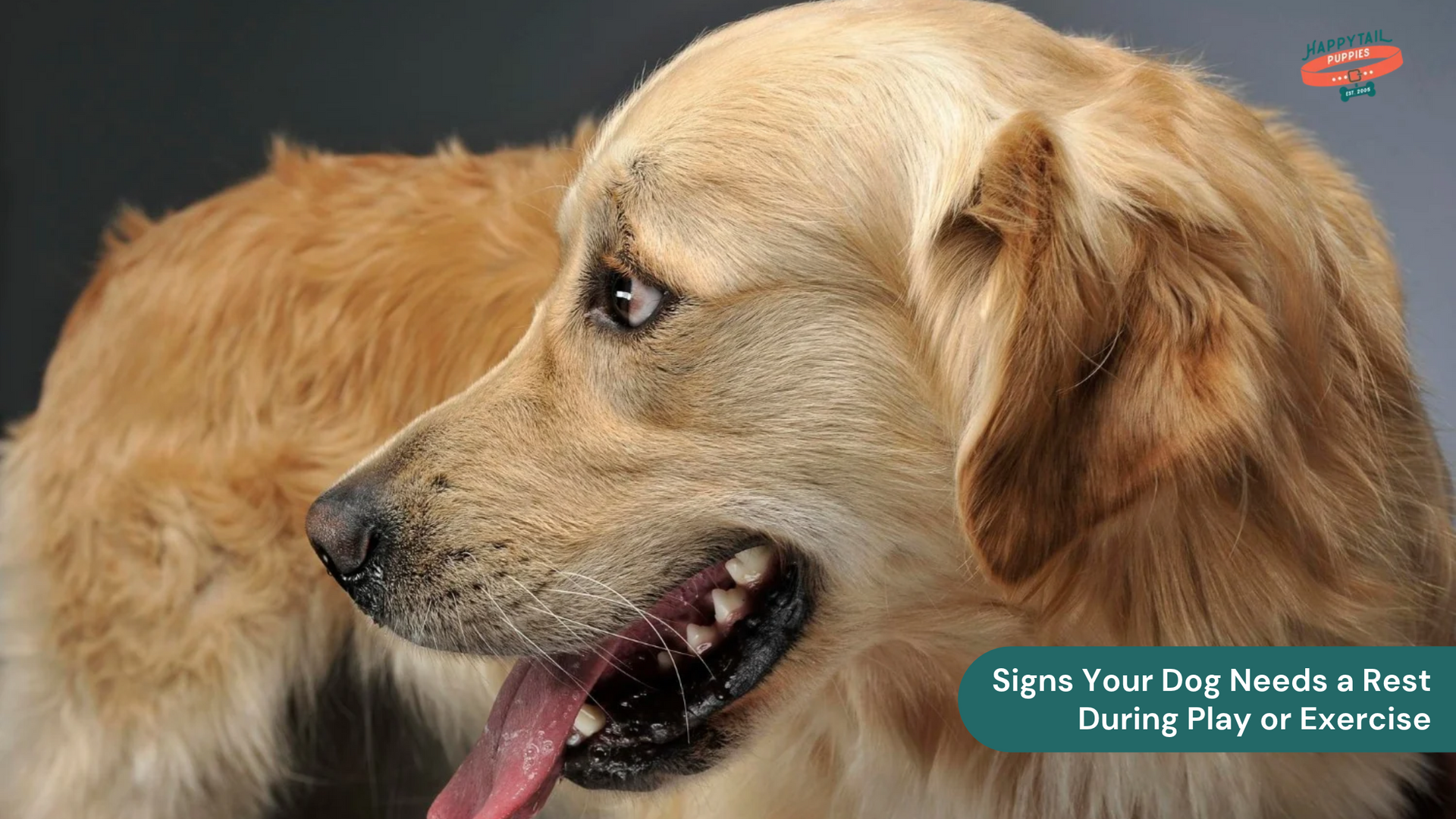
Dogs often keep playing even when they're tired, making it important to recognize when they need a break. Learn how to spot signs of fatigue, prevent overexertion, and keep playtime safe and enjoyable.
Most dog owners see their dog sprint after a ball with enthusiasm, then slowly trot, stop, and look around. Although this might be a common moment for you, it is a helpful reminder that your dog often keeps playing even when they need a short break.
Small changes in a dog’s movement, breathing and interests can inform you a lot. Learning the signs that your dog needs a rest can help you step in before play becomes too much for them. A tired dog doesn’t mean that your dog is unwell. However, detecting the warning signs can keep their regular activities safe and fun. It also helps you tell the difference between normal tiredness and something to worry about.
Key Signs Your Dog Needs a Rest While Playing
You can never expect your dog to say they are tired, but fatigue signs are usually clear. Here are the top signs to watch out for.
🐾 Slowing Down or Falling Behind
If you notice your dog suddenly starts walking instead of running, or falls behind on a walk, their stamina may have decreased. Because dogs often push themselves to please their owners, a sudden slowdown can be an early sign.
Here’s what you might notice:
- Trotting and refusing to run
- Falling behind on walks
- Slow responses to cues
Most dogs would look back at you at these moments. This highlights the connection between dogs and social referencing, which is why it’s important to take it as your cue to pause.
🐾 Sitting or Lying Down More Often
When a dog sits, lies down or flops onto cool ground in the middle of a game, it may be asking for a pause. One stop is normal, but frequent pauses are worth attention.
Situations may look like:
- Dog who lies down during play
- Sitting and watching you often
- Flopping onto cooler grounds
If this happens more than once, end the game immediately and offer your dog a calm place to rest. Let your dog decide when it feels ready to move again.
🐾 Losing Interest in a Favorite Game
A dog who ignores their favorite ball or walks away from a game might be tired or restless. If a normally enthusiastic dog suddenly loses interest, pay attention.
Any change in a dog’s engagement may appear like:
- Ignoring their favorite toy
- Walking away from the play they love
- Ignoring everything else and sniffing the ground
Whenever a dog disengages, it might be a sign of stress. These signs often show up as frequent lip-licking or yawning during a short break.
🐾 Excessive or Unusual Panting
It’s normal for your dog to pant during physical activity, and it's healthy because it helps cool them down. However, if panting becomes excessive, noisy, or takes a long time to ease even after rest, don't dismiss it as normal tiredness.
Panting that needs immediate attention includes:
- Continued heavy panting
- Raspy or noisy breathing
- Slow to calm down even after rest
Stop the activity immediately if breathing appears hard or doesn’t ease with rest. Also contact your vet, since labored breathing can sometimes be serious.
🐾 Seeking Shade or Cooler Ground
Dogs mainly cool off by panting and by resting on cooler surfaces. So if your dog heads straight for shade, water, or a cool tile floor, they may be telling you they’re feeling warm.
Behaviors that your dog is trying to cool down are:
- Pausing and moving to shaded areas
- Lying on cooler grounds
- Searching for their water bowls
Take your dog somewhere cooler, offer fresh water without forcing them to drink, and let them fully recover before you think about playing again.
🐾 Changes in Movement or Coordination
Stiff steps, stumbling, limping or wobbly legs mean that your dog is extremely tired, sore or uncomfortable. Sudden changes in coordination need extra attention, as they can indicate a more serious issue than tiredness.
Keep a close watch on movement changes in dogs:
- Frequently stumbling or tripping
- Stiff or reduced steps
-
Weak or wobbly back legs
Stop whatever you're doing and let your dog rest. Contact your vet if the wobbliness is sudden, serious or doesn’t improve, as coordination issues can be an emergency.
Normal Tiredness vs. Signs of Overexertion
Not every tired dog is in trouble. Let’s see how fatigue, possible overexertion and urgent warning signs might appear different.
| What you see | Ordinary tiredness | Possible overexertion | Emergency warning |
|---|---|---|---|
| Pace | Slows down and settles willingly | Keeps stopping or lags behind | Cannot or will not stand or walk |
| Breathing | Panting that eases within minutes | Heavy panting that lingers | Struggling or distressed breathing |
| Mood | Calm and happy to relax | Restless, anxious, or uncomfortable | Confused, dazed, or unresponsive |
| Coordination | Steady walking | Stiff steps or occasional stumbling | Collapse or severe wobbling |
| Best response | Rest, water, and quiet time | Stop play, cool down, call your vet if it persists | Go to an emergency vet right away |
Since the signs of overexertion in dogs often overlap with tiredness, look at your dog’s normal behavior, the weather and the activity they were doing. Looks alone can rule out illness.
What to Do When Your Dog Shows Signs of Fatigue
A clear plan makes it easier to know when to stop your dog’s activities. Use these steps if your dog fatigues quickly.
Here are some steps to take immediately:
- Stop their exercise immediately
- Offer them fresh water and never force them
- Move to shade or cooler areas
- Watch their breathing and responsiveness
- Delay restarting any hard play
- Contact your vet if you feel concerned
Situations that call for an emergency are heatstroke, collapse, or serious breathing difficulty. Therefore, seek the right vet care immediately instead of waiting to see if it helps.
Which Dogs May Need Closer Monitoring During Activity?
Stamina appears differently in each dog. Here are a few factors that explain why one dog may tire sooner than another during play.
Aspects that can change a dog’s stamina are:
- Age of the dog and their growth stage
- Fitness and conditioning level
- Health conditions and other medications
- Body size and shape
- Heat, intensity, and humidity
Since each dog is different, compare your dog to their normal pace and consult your vet about what feels comfortable for their overall health.
How to Make Playtime Safer Without Overdoing It
Playing safely doesn’t mean your dog has less fun. A few simple habits can help your dog enjoy the game while staying comfortable.
The easiest ways to keep play safe are:
- Keep a close watch on their pace and engagement
- Schedule breaks during extended sessions
- Adjust games according to their comfort level
- Stop whenever discomfort starts to appear
- Check heat and ground conditions
- Follow vet suggestions for health concerns
These small habits work for almost every activity and help you learn about your dog’s exercise needs, which apply to most daily routines.
When Should You Contact a Veterinarian?
Some signs mean your dog needs a routine vet appointment, while others need immediate help. Knowing the difference helps you act quickly and calmly.
Get urgent help in situations such as:
- Trouble standing or suddenly collapsing
- Serious or labored breathing
- Confusion or loss of coordination
- Suspected heatstroke to keep them safe from the heat
- Sudden weakness or any other serious signs or symptoms
Stop your dog’s activity immediately and seek urgent vet care for these signs instead of waiting to see whether a break helps. Quick treatment matters most.
A routine visit to a vet also helps in situations such as:
- Frequent issues with exercises
- Sudden slow recovery later
- Tiredness after a bit of activity
Your vet would look for the real cause, and our guide further explains why your dog might seem lethargic at rest.
Final Thoughts
Learning your dog's normal pace is one of the kindest things you can do during play. Over time, you will recognize the little shifts that say it is time to slow down, and those moments become part of the bond you share. Enjoy the games, celebrate the happy zoomies, and remember that a short pause is always a good choice. Your veterinarian is there to help whenever something does not feel quite right.
Frequently Asked Questions
How Can I Tell If My Dog Is Too Tired to Keep Playing?
Your dog may be tired if they slow down, lie down, or lose interest in play. Give them a break when you notice these signs.
Is Panting Always a Sign That a Dog Needs to Rest?
No. Panting helps dogs cool down after exercise or excitement. However, heavy or prolonged panting, especially with weakness or excessive drooling, may signal overheating or exhaustion.
Should I Let My Dog Decide When to Stop Playing?
Not entirely. Some dogs keep playing even when they're tired. Watch for signs of fatigue, offer regular breaks, and end playtime when needed.
How Long Should a Dog Rest After Strenuous Activity?
Rest time depends on your dog's age, fitness, and activity level. Let them relax, drink water, and recover before resuming strenuous exercise.
When Is Tiredness After Exercise a Reason to Call the Vet?
Contact your vet if tiredness lasts longer than expected or comes with limping, weakness, or reluctance to move. Collapse or difficulty breathing requires immediate veterinary attention.