
The Ultimate Guide to Maintaining Healthy Dog Skin and Coat
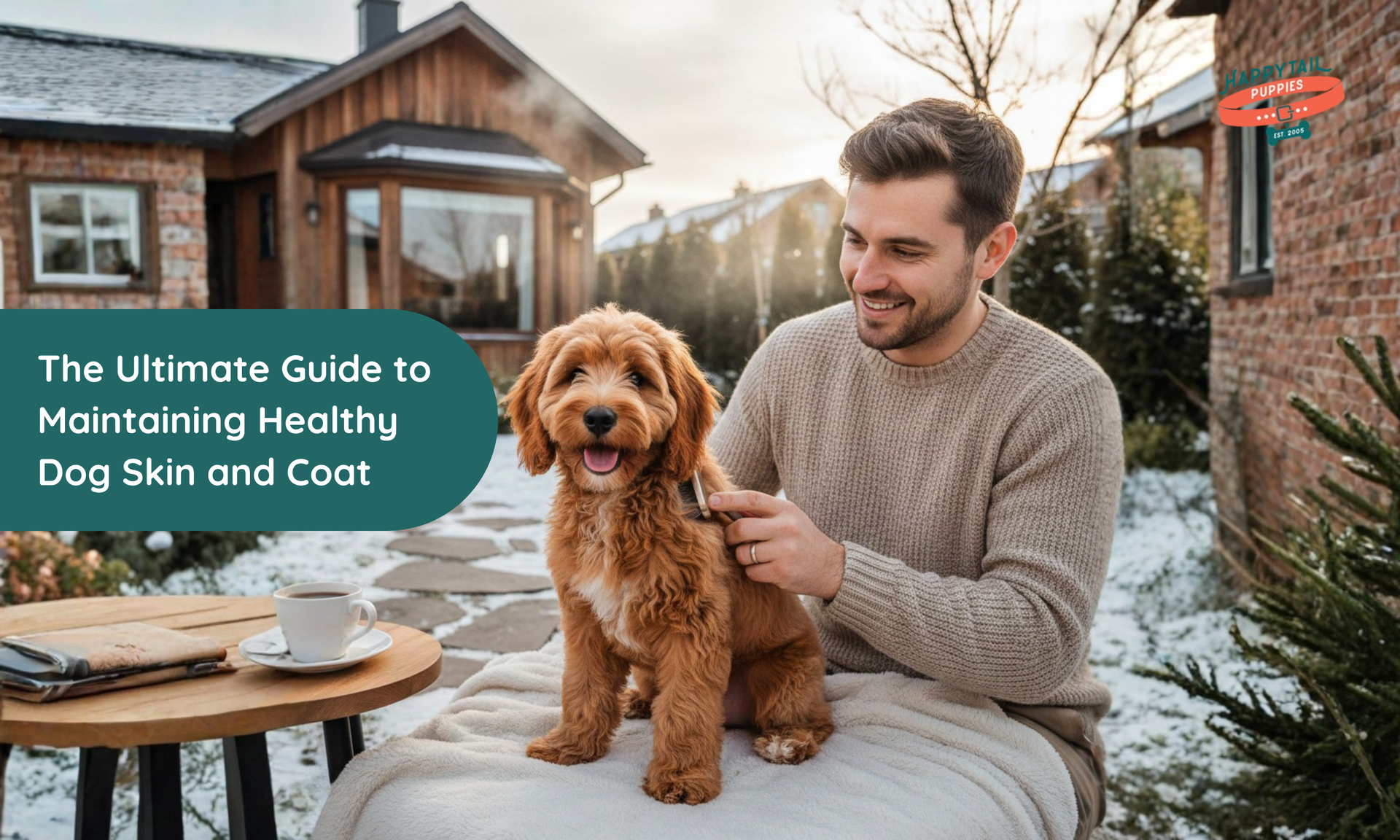
A dog’s skin and coat are vital signs of their health. This guide covers how nutrition, consistent grooming, and preventive care protect your pet from allergies and infections, ensuring a shiny, healthy coat and optimal well-being for every breed.
🐾Table of Contents
- Why Skin and Coat Health Matters
- The Role of Nutrition in Skin and Coat Health
- Grooming Essentials for a Healthy Coat
- Common Skin and Coat Problems—and How To Treat Dry Skin on Dogs
- How Environment and Lifestyle Impact Skin and Coat Health
- Natural and Supplemental Support for Skin and Coat
- Preventive Care: Your Long-Term Strategy
- When to See a Veterinarian
- Conclusion
The skin and the coat of a dog are not merely aesthetic attributes but are important signs of the health of the dog. A shiny and smooth skin and a clear and plush skin are good indications that your dog is doing well. On the other hand, dryness, dullness, flaking, or over-shedding can be an indicator of the underlying problems that are worth considering.
You should know how to take care of your dog's skin and coat, regardless of whether you are a new dog parent or an experienced pet owner, as proper care of these parts is essential to the health of your dog. This final guide is all-encompassing, including nutrition and grooming, prevention tactics, and visitation to a vet for the best care of healthy dog skin.
Why Skin and Coat Health Matters
The skin of your dog is the biggest organ in the body of a dog, and it provides the first line of defense against any environmental threat of bacteria, parasites, and allergens. Meanwhile, the coat not only insulates but also defends against the elements; it is also involved in communication and sensory perception.
Skin and dog coat health effectively contribute to:
- Temperature regulation
- Barrier protection against infection
- Comfort and reduced itching
- Overall vitality and appearance
- Early detection of health issues
Skin and coat issues alongside dog skin allergies tend to indicate underlying imbalance of the body, like nutritional deficiencies, stress, allergy, or illness. By taking some proactive measures, you can make sure that your dog is healthy both indoors and outdoors.
The Role of Nutrition in Skin and Coat Health
The quality of the skin and coat of your dog is more strongly influenced by what your dog feeds on than almost anything. The source of cell renewal, hair, oil production, and immunity is diet. The lack of proper nutrients will not be covered in the most comprehensive grooming session.
1. Omega-3 and Omega-6 Fatty Acids: These play an important role in lubrication, elasticity, and moisture retention. Dogs that do not have these fatty acids usually have dry, flaky, inflamed, and dull coats. Good sources include fish oil, salmon, sardines, and flaxseed oil of good quality.
2. Proteins and Amino Acids: Hair consists of a protein (keratin) in large amounts. In the absence of proper quality protein, the hair will be brittle, sparse, and weak. Beef, chicken, eggs, and fish are animal proteins, which contain the necessary amino acids that plant proteins usually do not have.
3. Vitamins A, E, and Biotin: These vitamins stimulate the healing of cells, hair, and immunity. Biotin specifically is beneficial to enhance the thickness of the coat, as well as develop hair follicles.
4. Minerals: Zinc and Selenium: Lack of these minerals may result in scaling, slow healing slowly or patchy fur. Several breeds are particularly susceptible to zinc deficiencies.
5. Hydration: The Overlooked Factor: Elasticity, wound healing, and retention of natural oils on the skin require adequate hydration. Low-moisture kibble diets require dogs to have access to water throughout the day and wet food supplements.
Special Diets for Sensitive Dogs: Sensitive breeds such as the Cavapoo usually respond well to limited-ingredient diets or new sources of proteins in cases where they are showing irritations on their skin due to food. Dogs that are allergic or intolerant to things may enjoy:
- Limited-ingredient diets
- Hypoallergenic formulas
- Novel protein sources like duck, rabbit, or venison
Always ensure to introduce new diets slowly and consult your vet if you suspect food allergies.
Grooming Essentials for a Healthy Coat
Grooming is not only about washing your dog, but it is also necessary to keep the dog's coat healthy and to avoid matting, irritation, and accumulation of dirt or allergens. Frequent grooming assists in the distribution of the natural oils on the skin, blood circulation, and the coat remains soft and easy to handle.
Brushing
Dogs lose dead hair frequently, and brushing assists in shedding it and allowing new hair to develop appropriately. In case you are having a long-haired or curly-haired breed, it is worth checking out grooming tips for fluffy coats to avoid matting and keep the coat soft and manageable.
The frequency depends on the breed:
- Short-haired dogs: Brush once or twice a week.
- Long-haired dogs: Daily brushing to prevent tangles.
- Double-coated dogs: Use an undercoat rake during shedding seasons.
Common brush types include:
- Bristle Brushes — best for smooth coats
- Slicker Brushes — ideal for removing tangles
-
Pin Brushes — effective for longer, thicker fur
Bathing
Bathing gets rid of allergens, bacteria, and excess oils; however, excessively bathing causes skin to lose protective moisture and become irritated. The majority of dogs require a bath every 4-6 weeks. Patients with skin sensibility might require oatmeal or medicated shampoos. To help new pet owners know the best practices for bathing puppies to avoid over-washing and exposing their developing skin barrier, the same can be used.
Natural dog shampoos should always be used because human shampoos interfere with the pH levels of the dogs.
Dogs with skin issues may benefit from:
- Oatmeal shampoos for itchy skin
- Medicated shampoos for fungal or bacterial infections
- Hypoallergenic shampoos for sensitive dogs
Always rinse thoroughly—residual shampoo can irritate skin.
Conditioners and Leave-In Sprays
Conditioners restore moisture, reduce static, and improve shine. Leave-in sprays can help detangle and add protective moisture between baths.
Common Skin and Coat Problems—and How To Treat Dry Skin on Dogs
Understanding what can go wrong helps you prevent long-term issues. Here are the most common skin and coat concerns in dogs.
Dry, Flaky Skin
Often caused by:
- Low humidity
- Harsh shampoos
- Poor diet
- Underlying medical issues
In the case of owners who have been struggling with flakes or dullness on their dog, knowing about effective treatments for dog dandruff would make a difference when it comes to adding moisture and comforting the skin. Treatment options comprise dietary improvement, hydrating shampoos, and fatty acid supplements.
Dull Coat
Typically associated with malnutrition or poor hygiene. The vitality of coats can be greatly enhanced by increasing the brushing frequency and switching to a better quality of diet.
Excessive Shedding
This shedding is normal; however, too much shedding can signify:
- Stress
- Allergies
- Endocrine disorders such as hypothyroidism
Increasing the amount of omega fatty acids and brushing can be used to control shedding.
Hot Spots
These are swollen, wet, sore spots that are usually the result of scratching, licking, or allergies. They may deteriorate very fast and need medical care.
Allergies
Dogs may be allergic to the environment, food, or fleas. The symptoms are redness, itching, loss of hair, and paw or skin chewing.
Treatment of allergies may include:
- Allergen-specific diets
- Antihistamines
- Medicated baths
- Flea control
- Immunotherapy in severe cases
Parasites (Fleas, Ticks, Mites)
Such pests may result in irritation, infections, and loss of hair. The most effective defense is the use of preventative measures.
Fungal and Bacterial Infections
The yeast infection prospers in hot and damp places, whereas bacterial entry occurs through minute incisions or through abraded skin. A dog skin infection is normally characterized by irritation, odor, redness, and discharge.
How Environment and Lifestyle Impact Skin and Coat Health
The surroundings directly influence the skin and the coat of your dog. Fluctuations in the health of coats are caused by extreme temperatures, allergens, stress, and grooming habits.
Humidity and Temperature
Flaky skin due to dry indoor air can be experienced, particularly during winter. A humidifier is used to keep moisture. In hot climate areas, dogs might need to be groomed more often to clear off the rubbish and to cool down. Small dogs like the Maltipoo can have drier skin in winter, so it is beneficial to have a humidifier to ensure that the humidity of your house is not too low.
Sun Exposure
Dogs can also sunburn like human beings, particularly short-haired or light coloured ones. Coat texture can also be damaged by UV rays.
Solutions include:
- Dog-safe sunscreen
- Protective clothing
- Avoiding peak sun hours
Stress and Emotional Well-Being
Stress may result in excessive shedding, licking, and skin irritation. Exercise, enrichment, and predictable routines can be used on a daily basis to maintain mental stability in dogs.
Exercise
Exercise enhances the circulation of blood, which is healthy for the skin and hair follicles. Active dogs tend to have healthier and shiny coats.
Natural and Supplemental Support for Skin and Coat
In addition to diet and grooming, a number of supplements and natural remedies can be used to improve the quality of the coat. Dogs with more curly and thicker coats, such as the Miniature Goldendoodle, benefit highly from the omega-rich diets that help maintain skin hydration and coat being soft coat.
Omega Fatty Acid Supplements
Krill oil and fish oil enhance shine, lessen inflammation, promote joint health, and boost the immune system.
Probiotics
A healthy intestinal microbiome can alleviate allergy, inflammation, and problems in the absorption of nutrients.
Coconut Oil
Taken in moderation, coconut oil can be used to address minor irritation. It is, however, to be applied in small amounts since excessive use can result in greasy hair or plugged pores.
Biotin and Multivitamins
Biotin, zinc, and vitamin E are beneficial supplements to many dogs as they enhance the coat texture, shedding, and follicles.
Herbal Remedies
- Chamomile and oatmeal baths soothe irritation.
- Aloe vera gel (dog-safe formulations only) relieves itching.
- Calendula helps with minor wounds and hot spots.
Always consult a veterinarian before starting supplements, especially if your dog takes medications or has chronic conditions.
Preventive Care: Your Long-Term Strategy
It is easier to maintain the health of your dog's skin and coat when you are ahead of the problems that may arise.
Routine Veterinary Checkups
Periodic checkups will identify skin conditions, thyroid conditions, and allergies at an early stage- before they manifest themselves.
Preventive Parasite Control
The Centers for Disease Control and Prevention (CDC) notes that over 20 diseases are known to be transmitted to pets and humans annually by fleas and ticks, which explains the importance of regular parasite prevention.
Consistent Grooming Schedule
Brushing, bathing, and nail trimming of your dog not only keep him or her looking good but also enable you to examine him or her in case of abnormalities such as lumps, bumps, and bald spots.
Quality Nutrition
A good quality diet will avoid numerous avoidable coat and skin issues. Select good reputable brands and get the breed-specific or age advice from your vet.
When to See a Veterinarian
Although certain skin and coat problems can be treated at home, there are those that have to be treated by specialists through diagnosis.
Contact your vet if you notice:
- Persistent itching or chewing
- Sudden or patchy hair loss
- Open sores or hot spots
- Redness, swelling, or strong odors
- Excessive dandruff
- Changes in appetite or behavior accompanying skin symptoms
Prescription treatments are usually required for chronic skin problems such as allergies, hormonal problems, infections, or immune illnesses. According to the American Veterinary Medical Association (AVMA), approximately a quarter of veterinary visits are associated with the issue of skin disorders, and it is essential to evaluate them at an early stage when the symptoms remain the same or even become more severe.
Conclusion
Keeping your dog in a healthy skin and coat is not only important for the looks of your dog but also for the well-being of your dog. Through good nutrition, good grooming, good environment, and preventive health measures, you will be building a good base of skin and coat health throughout the lifetime. All dogs are individuals, and thus it can take time to get the right routine, but the reward is a happy, comfortable dog with a bright and shiny coat.
Related Articles: