

What Can Dogs Sense? 8 Surprising Things They Notice
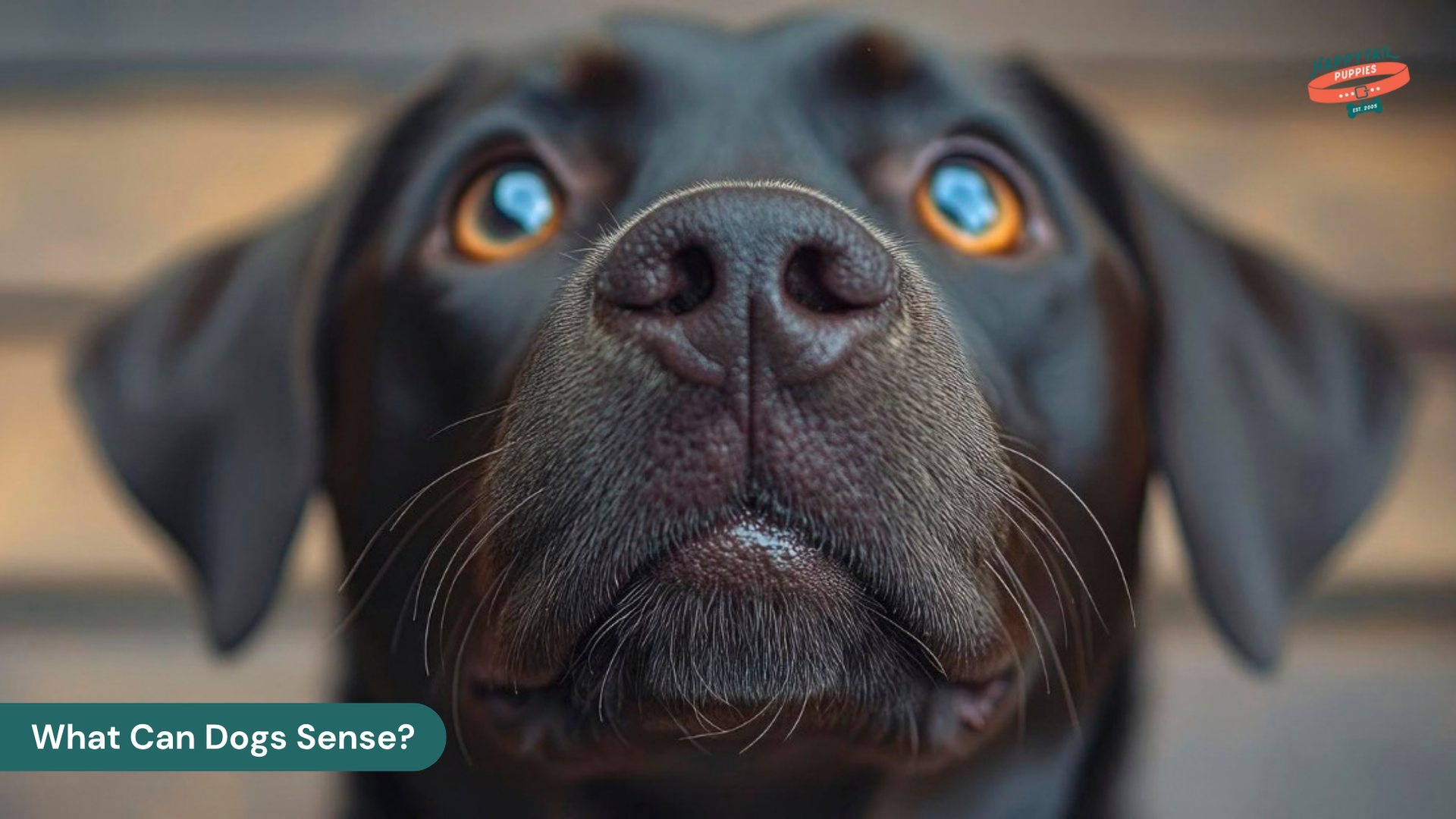
Dogs notice more than we often realize, from changes in emotions and body scent to shifts in weather and their surroundings. Explore eight surprising things dogs may detect before we do.
⚡Quick Answer
Dogs can sense changes in human emotions, specific signs of illness, changes in blood sugar levels, and more. These are a few things people don’t notice right away. Dogs also notice changes in barometric pressure, the passage of time, and small changes in their environment before people catch on.
A dog’s entire world depends on senses that are sharper than humans’. Scent gives dogs direct access to details that are challenging for people to understand. A dog’s nose contains hundreds of millions more scent receptors compared to a human nose. This helps explain why dogs can sense things long before humans can.
Scientific research has shown that dogs can detect a remarkable range of emotional, physical, and environmental changes. Today's post shares the eight most astonishing instances, along with what dogs can detect that most owners hardly realize on their own.
🐾At A Glance
Dogs can smell changes in human emotions Some breeds can detect illness before any formal diagnosis Blood sugar changes carry a detectable scent Dogs can sense changes in barometric pressure early Canine senses work way better than sight alone
Things Dogs Can Sense About Us
Dogs spend way too much time reading and understanding human behavior. What dogs can detect can be surprising, and their sense of smell does more work than their eyesight.
🐾 Our Emotional State
Dogs are surprisingly attuned to human emotions. They detect anxiety and stress through their owner’s scent, body language, or tone of voice before you would mention a word. This way, dogs can quickly notice when something feels off even before anyone else in the room picks up on it.
How dogs pick up on emotion
- Small changes in voice tone and pitch
- Changes in body posture and movement
- Stress-related scent compounds
Dog owners need to understand pet emotions, as it helps explain how closely a pup can track people.
🐾 Blood Sugar Changes
Canine scent detection studies also highlight how diabetic alert dogs work. Most owners even reported their dogs reacting to a sudden blood glucose drop before any clear signs appeared. Volatile compounds released during these changes carry a distinct smell that trained therapy dogs can detect.
Common alert behaviors
- They start nudging or pawing insistently
- They refuse to settle down nearby
- They stare intently until one notices
These behaviors are one reason dogs can sometimes appear to notice changes before a person recognizes any obvious symptoms. However, a dog's alert should not be treated as a replacement for a glucose meter or other medical monitoring device.
🐾 Illness Before It's Diagnosed
Some dogs are known to detect small changes in a person’s scent linked to certain illnesses before any formal diagnosis exists, according to research published by AVMA . This is one of the clearest examples of what dogs may detect that humans often cannot. The reason is the chemical changes involved, which are far too subtle for an individual to notice on their own.
Where this ability shows up
- Unusual persistent interest in one spot only
- Consistent pawing or nudging behavior
- Detectable changes in a human’s normal behavior
This dog’s sense never replaces any medical diagnosis. However, it reveals how closely a dog’s sense can track an individual’s health. Most families even turn to therapy dogs for emotional support during complex health diagnoses. That same sensitivity can pick up scent changes that go far beyond emotional comfort.
🐾 Pregnancy and Hormonal Shifts
Most expecting parents notice their dog’s behavior changing at the onset of pregnancy, before any detectable signs appear. Hormonal changes can alter body scent in different ways that are easy to miss by most people but easier for a dog’s nose to pick up.
Typical behavior shifts
- Increased attentiveness or clinginess
- Sudden protectiveness around the household
- Greater interest in a person’s midsection
None of this is accurate enough to replace an actual test. The patterns surface often enough that it's hard to dismiss them as coincidence.
🐾What Studies Reveal
A recent study in the journal iScience used MRI scans to show that a dog’s brain processes unique patterns for anger, fear, and sadness in human faces. The initial evidence clearly revealed that dogs can distinguish between negative and positive emotions. This adds real scientific worth to the wider pattern of things dogs can sense before humans.
🐾 Changes in Barometric Pressure
Sometimes dogs become restless or anxious before a storm approaches. This is because barometric pressure drops. Some researchers believe that dogs may also hear distant thunder or other sounds before it becomes audible to people.
Signs a storm is approaching
- Restlessness or pacing
- Seeking a hidden spot
- Increased clinginess or whining
This early warning sign may help explain why so many dogs seem to know a storm is approaching before the sky changes.
🐾 The Passage of Time
Dogs will never read clocks. But most owners have found their dog waiting by the door minutes before their regular pickup time. Scent likely plays an important role here, since the fading intensity of a recognizable smell throughout the day may act like their rough internal timer.
How this shows up day to day
- Waiting right near the door before you arrive
- Getting restless before their mealtime
- Anticipating their regular daily walk
Although it’s one of the most debated categories on any list of canine senses, the pattern remains consistent, and most owners have noticed it firsthand.
🐾 Earthquakes and Natural Disasters
Dogs have a long history of acting strangely minutes before an earthquake strikes. Some scientists believe that dogs might sense small vibrations or electrical changes in the ground that are challenging for people to detect. The evidence isn’t fully conclusive. However, the pattern is reported as something to take seriously.
Reported pre-quake behaviors
- Sudden, unexplained agitation
- Barking without a real or obvious cause
- Trying to leave their immediate area
Irrespective of the mechanism it turns out to be, it’s a good example of a dog’s senses that pick up on something before any instrument in the room would do.
🐾 Seizures Before They Happen
Some dogs reliably alert their owners to an oncoming seizure minutes in advance, a skill that's been studied directly through trained scent-detection work. Researchers believe a seizure produces its own distinct scent that certain dogs can learn to recognize with striking accuracy.
How alert behavior looks
- Sudden, focused attention on a person.
- Pawing or physically blocking movement
- Refusing to leave someone's side
This ability has become one of the better-documented examples of what dogs detect, and it's changed how some families manage epilepsy day to day.
Paying Attention Pays Off
Spotting these signs provides owners a practical head start. It could involve noticing a dog when it's emotional, noticing unusual behavior, or dismissing or ignoring a dog's behavior before you believe it.
This doesn't mean a pet becomes a diagnostic tool. Still, it gives dog owners a clear indication that there’s something wrong when their pup’s behavior changes without any apparent reason.
Frequently Asked Questions
Can every dog be trained to detect illness or seizures?
Not really. Some dogs are naturally more sensitive to the ordinary before anyone, which makes them better at this kind of detection. Even without training, many dogs show interest when a person's scent starts to change.
Why do dogs seem to know when someone is sad?
Dogs pick up on small changes in a person's voice, posture, and scent that tend to show up with sadness or stress. Put those cues together, and a dog often gets a surprisingly accurate read on how someone is feeling.
Is it true that dogs can predict earthquakes?
There's no solid proof yet, but many people have reported dogs acting strangely right before an earthquake, so scientists are still looking into it.
Do all breeds have the same level of scent sensitivity?
No, it varies quite a bit by breed. Scent hounds and working breeds tend to have a much stronger sense of smell than companion breeds do.
Can a puppy already show these sensing abilities?
Puppies can smell well from a young age, but the kind of reliable alert behavior is seen in trained adult dogs usually takes time and consistent training to develop.