

When Do Puppies Stop Teething? How to Help a Teething Puppy Through Every Stage
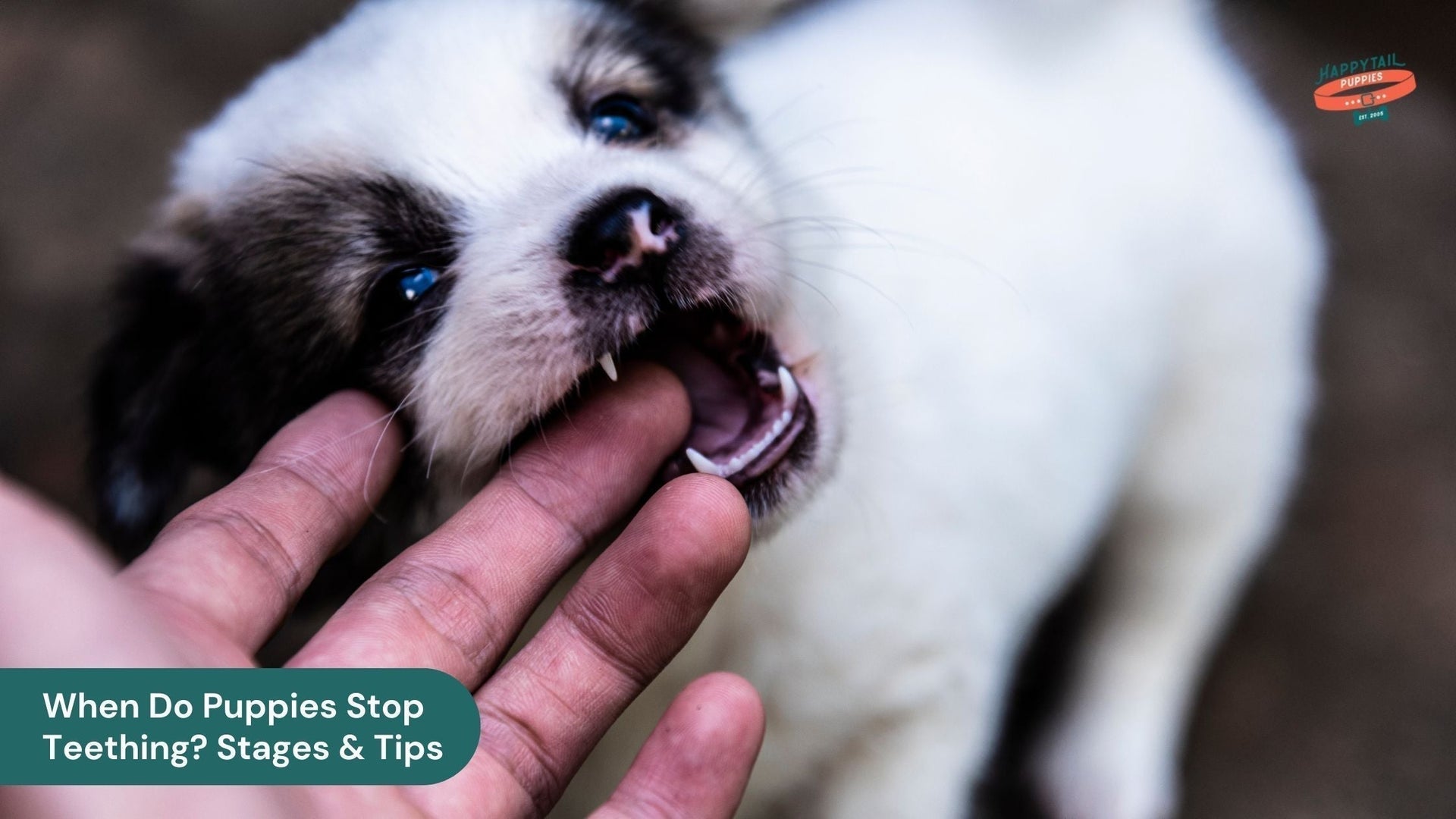
Is your puppy's chewing getting out of hand? Teething is a natural but challenging phase for every new pet owner. Discover when the biting starts and stops, how to redirect destructive habits, and when you should consult a vet about your puppy’s dental health.
🐾 Table of Contents
Puppy teething strikes a surprise to new pet owners since it disrupts behavior, comfort, and regular routines. Biting, chewing, and restlessness generally increase during the early growth stages. It is a natural trait for the pups to explore the world using their mouths that intensifies when their gums appear to be sore. A proper understanding can reduce pet owner stress, preventing confusion during training. Setting clear expectations helps with the effective management of this temporary phase, mainly when you wonder about when do puppies stop teething.
Puppy Teething Timeline: When Does It Start and Stop?
Puppy teething has their natural biological schedule that is linked to jaw development and tooth replacement. Every stage offers a clear developmental purpose, preparing the pups for their adult stage, where their eating and play behaviors change. A comprehensive knowledge of the timelines offers gentle support, setting the stage right for realistic expectations.
Chewing habits in pups typically develop during teething. Following gentle approaches to correction and preparation eliminates frustration for puppies and their owners, besides safeguarding their household belongings.
When Do Puppies Start Teething?
Typically, teething starts right after birth, even though teeth may not surface almost instantaneously. Internal development starts sooner and progresses pretty rapidly during the initial weeks.
- Birth to 2 Weeks: No Teeth: Puppies rely entirely on nursing for comfort and nutrition. Gums stay soft without imposing any tooth pressure. Jaw muscles gradually strengthen during preparation for their chewing habits, and later introduce them gradually to solid food.
- 3–6 Weeks: Baby Teeth Emerge: Sharp deciduous teeth start to push through the gum tissues. Pups start with their light chewing and playful nipping with their siblings. Early mouth explorations help with the development of coordination, preparing them for independent eating.
When Do Puppies Stop Teething?
Teething mainly stops after adult teeth are entirely replaced by baby teeth. This change sets an integral milestone across physical maturity and behavioral regulation.
- 3–4 Months: Baby Teeth Fall Out: Gums turn tender due to loose baby teeth. Pups have a tendency to chew to relieve that pressure or discomfort. This is the main stage that leads to a sudden surge in biting and intensity in chewing.
- 5–6 Months: Adult Teeth Fully Erupt: Permanent teeth settle into place, and gum irritation starts to fade gradually. Puppy chewing behavior becomes more controlled as discomfort reduces and the strength of the jaws increases strongly.
Pet owners should know about this progression since it explains the pup's chewing intensity during specific months. Clear guidance can help reduce an enduring excessive chewing behavior that supports the pup's healthier oral development.
The 4 Stages of Puppy Teething (With Symptoms)
Teething never happens immediately. Pups experience gradual changes that impact their mood, comfort, and interaction with people and other objects. Every stage represents its own challenges that need well-adjusted responses that meet both physical and emotional needs of the pups.
Stage 1: Newborn to 3 Weeks (Pre-Teething)
Newborn pups spend a lot of their time sleeping and nursing. Teeth stay hidden under the gums, so chewing behavior does not start immediately. Mouth use remains limited to comfort and feeding. Jaw muscles strengthen at a slow pace during this silent phase. Small dog breeds like Mini Bernedoodle often remain calm during this stage since oral discomfort has not yet surfaced and teething pressure has still not started.
Stage 2: 3–6 Weeks (Baby Teeth Erupt)
Small baby teeth start to push through the sensitive gum tissues that causes mild discomfort. Pups start mouthing objects and littermates as their chewing instincts start surfacing. Early bite control learning starts naturally through play. As reported by the American Kennel Club (AKC), pups develop around 28 deciduous teeth during this stage that allows them to shift to solid food and interactive explorations with high drive curiosity.
Stage 3: 3–4 Months (Baby Teeth Fall Out – Peak Teething)
This is the stage that causes visible discomfort to pups. Baby teeth start to loosen and fall out while adult teeth push upwards, creating sore gums. Pups chew continuously to ease the pain and pressure. Their interests shift to noisy and textured toys that clearly explain a common concern about "why dogs love squeaky toys" during this stage. Restlessness, drooling, and frequent nipping become common, which pups seek for constant relief.
Stage 4: 5–6 Months (Adult Teeth Come In)
Permanent teeth stop surfacing and start settling into the jaw. Gum soreness slowly starts to fade, and chewing urgency reduces. Pups gain better control over their mouth pressures, and their focus improves. Small dog breeds like a Teacup Morkie might complete their teething phase sooner due to their jaw size. Training becomes highly effective since discomfort reduces and chewing behavior becomes more controlled.
Signs Your Puppy Is Teething (And Not Being “Bad”)
Signs of teething are often similar to aggression or disobedience. Knowing about these symptoms helps to prevent unwanted correction, supporting compassionate care. Physical discomfort disrupts the pup's behavior. Identifying the root cause helps with calm redirection instead of forceful punishment.
- Constant Chewing on Objects: Pups chew to relieve their gum irritation or pressure. Based on the vet data highlighted in the American Veterinary Medical Association (AVMA), chewing stimulates blood flow that brings down inflammation during tooth eruption.
- Increased Nipping During Play: Play biting turns excessive since the gums appear sore. Pups lack complete bite control besides managing their excitement and discomfort. Gentle redirection teaches the pups of their play limits.
- Swollen or Red Gums: Inflamed gum tissues become red or a bit swollen. This response suggests normal teething activities instead of any infection or illness.
- Excessive Mouthing of Hands: Hands provide texture and warmth that offer comfort to a pup's sore gums. Mini Bernedoodle teething generally includes frequent hand mouthing due to their strong sensitivity and social bonding.
- Drooling More Than Usual: Increased production of saliva safeguards those irritated gums and helps in flushing out bacteria. Mild drooling is common during teething and starts fading naturally while the teeth settle.
Tips to Help a Teething Puppy Through Every Stage
Proper care will reduce discomfort, besides preventing their destructive habits. Calm guidance helps the pups feel secure while learning about their boundaries. Trust is built through consistency, promoting their long-term positive behavior.
Offer Safe Chew Toys Daily
The right type of chew toys can help in soothing their sore gums and safeguarding household items. Puppy-specific textured and soft rubber toys offer great pressure relief without causing harm to the teeth. Rotating toys keeps a pup's interest at peak, preventing any sort of overstimulation. Following proper dog dental care tips through monitored chewing sessions can help avoid the risks of choking. Safe chewing outlets build healthier habits while reducing irritation during the highly distressing teething moments.
Use Cold Items for Gum Relief
Cold items can help reduce swelling and numb sensitive gums. Frozen washcloths or chilled rubber toys offer calming pressure that eases discomfort. Pups benefit through short sessions to avoid excessive stimulation. Adequate cooling approaches mainly during the peak teething months, as this is when pups face intensified gum irritation. Gentle cold relief offers ideal comfort without the need for any medication or rough interventions.
Redirect Biting Immediately
Redirection teaches the pups what they can chew on instead of following harsh methods to discourage this behavior. Offering a toy calmly when biting development builds trust and understanding. Consistency is important here instead of intensity. A Vet behavior research by Cornell University reveals that early redirection minimizes long-term biting habits, besides supporting healthier social development during teething or early training stages.
Maintain Gentle Training Consistency
Predictable and clear guidance will help pups feel protected during those uncomfortable teething stages. Calm verbal cues, along with reinforcement encourages better cooperation. Short training sessions prevent frustration, and respect restricts focus due to gum soreness. A consistent level of responses across household members prevents any sort of confusion. Gentle structure helps with learning, even when pups manage their teething discomfort.
Monitor Drooling and Comfort Levels
Some bit of drooling is normal during the teething stage; however, visible changes need attention. Daily observation can help in tracking comfort and behavior patterns. Excessive dog drooling, besides reduced appetite or lethargy, often indicates irritation that is way past normal teething. Early knowledge ensures timely care and prevents minor dental issues from developing into major health issues.
When to Worry: Teething Problems That Need a Vet
Teething has its natural way to resolve. However, specific signs highlight complications that need professional care. Early vet attention can prevent pain and any long-term dental health issues.
- Retained Baby Teeth: Baby teeth that stay after adult teeth surfaces lead to misalignment and crowding. Retention increases the risk of infection and needs veterinary removal.
- Broken or Cracked Teeth: Hard chewing surfaces damage those fragile puppy teeth. Visible fractures or bleeding require immediate examination for the prevention of infection and pain.
- Excessive Bleeding or Swelling: A persistent level of gum bleeding indicates abnormal inflammation. Vet dental guidelines, as published by the American Veterinary Medical Association (AVMA), suggested expert screening when swelling fails to improve.
- Loss of Appetite: Painful chewing disrupts eating. Loss of appetite in pups that lasts over a day may indicate discomfort that needs veterinary evaluation.
- Behavioral Withdrawal: Avoidance behavior or lethargy indicates pain that goes way past the normal teething stage. Early intervention assures proper pain management and recovery.
Conclusion
Puppy teething is extremely challenging; however, it supports healthier growth and lifelong habits. Structure, patience, and adequate support can ease discomfort besides guiding their behavior. Every phase passes with care and time. Following calm responses establishes trust as well as confidence that shapes the strong foundation for comfort, training, and dental health supports a happier transition into adulthood.
Frequently Asked Questions
Does teething duration vary between puppies?
The duration of the teething stage varied based on the pup's genetic, breed size, quality of nutrition, and differences in growth rate.
Do puppies become calmer once teething ends?
Few pups are calmer post-teething, especially with the help of consistent training that shapes their whole adult chewing habits.
Can teething affect a puppy’s sleep?
Teething discomfort often temporarily disrupts a pup's sleep patterns, eventually leading to restlessness or frequent waking up at night.
Does teething influence future dental strength?
Early positive chewing has a huge impact on the jaw's strength, dental alignment, and confidence in toys at a later part of their life.
Can the environment affect the intensity of teething behavior?
Stressful surroundings often intensify teething behaviors in pups. This makes calm routines and reassurances extremely crucial during the development stage.
Related Articles: