

Why Do Dogs Follow Their Owners Everywhere
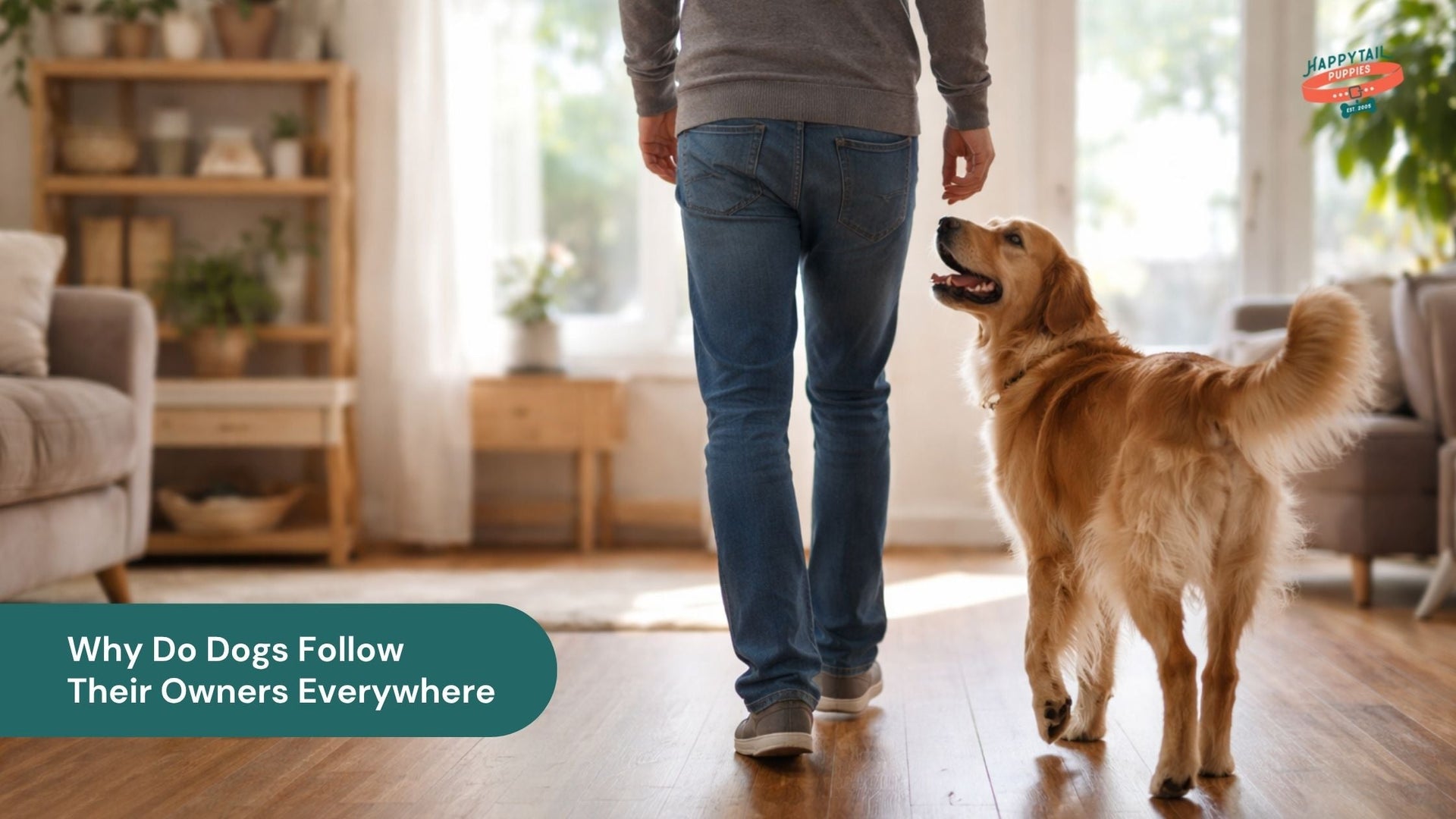
Dogs often follow their owners everywhere, but this behavior goes beyond simple loyalty. From pack instincts and emotional bonding to curiosity and anxiety, there are several reasons behind this constant companionship. Understanding these signs helps you build a stronger, healthier connection with your dog.
🐾Table of Contents
You get up to take a glass of water, and paw feet are heard following you. Then you find yourself in a different room, and your dog is there all over again as the faithful companion that never leaves. This inseparable presence is cute, but it also creates a troubling issue of what thought actually motivates this act.
Having a pet such as a Miniature Bernedoodle makes this experience even more tangible due to the closeness and dependence on human interaction that such dogs are adept at. This is not luck and spotlight hunting. Powerful instincts, emotional attachment, and socialized principles all combine to form this daily routine.
Understanding Your Dog’s Shadowing Habit
There are emotional attachments, instincts, curiosity, and reinforcements over time that make dogs follow their owners. Every single move that they make behind you speaks of trust, understanding, and the necessity to remain in touch with the surrounding world and preferred human beings.
The following are the most frequent causes thereof:
- Close to their human companion
- Behavior is still affected by the pack instigating
- Interest in mundane domestic actions
- Rewards and attention make the habits strong
- Needs of security and emotional comfort
When you learn to analyze the dog's body language, you will be in a better position to determine what your pet is attempting to communicate to you using this behavior.
Why Dogs Naturally Stay Close to Their Humans
The tendency of dogs to be near humans is a multifaceted behavior influenced by instinct, emotion, and experience.
Pack Mentality Still Shapes Behavior
Dogs carry instincts that date back to their wolf ancestors. Survival once depended on staying close to the group, where cooperation ensured protection and access to food. Dogs possess the instincts of their wolves. Once, to survive, one had to remain as a part of the group, as this way cooperating would yield shelter and food. Isolation was frequently equated with danger, and intimacy was a long-standing tradition that was transmitted across generations.
This instinct nowadays resides in modern dogs, even though they live in secure houses. Your dog considers you as being a member of their social group, and thus it is natural to be near you, and necessary. Such action is an innate desire to feel connected and secure as opposed to direct dependence.
Emotional Connection Drives Closeness
Strong emotional connections can be established between dogs and their owners, which does not start and stop at the companionship level. Whenever they are with you, their brains secrete oxytocin during interactions that bequest rebonded trust in them and give them a feeling of calmness and belonging.
Maintaining that emotional connection is aided by staying close, and this can be done during the day. Your presence is comforting and reassuring in the sense that it is hard to substitute. This is a normal behavior of attachment, as many dogs would be happiest when they can observe or trace their owner.
Curiosity Keeps Them Moving
Dogs are animals that have a curious nature and are very observant, which means that they listen to human behaviors. Each action you take provides hints about what may follow, which keeps them participating in whatever is going on.
Even walking to some places or taking up common things may be an indication of thrilling opportunities. After you, it allows your dog to know and remain attentive to its surroundings. This interest is significant to their acquisition and adaptation to their day-to-day life.
Reinforcement Strengthens the Habit
Dogs also learn fast to repeat an action that results in good consequences. When they are close to you, a lot of attention, treats, and time together follow, forming a strong association between closeness and reward.
Even minor reactions may support this trend. Your dog will then follow, as a smile, a look, and a caress will attract it. This habit of continuous positive reinforcement will cement it, and you will now be able to depend on the habit, which will bring you satisfaction and comfort for your pet.
Anxiety Can Influence Behavior
Others keep on following their masters because they are anxious about it, and not necessarily just because they love them. The isolation may be a source of stress, and they would want to find comfort in being physically close and following you everywhere. This behavior can often be better understood by exploring solutions for common behavioral issues in small dogs
Struggling with Small Dog Behavior Issues?
From excessive barking to separation anxiety, small dogs can develop habits that feel overwhelming. Learn practical, proven solutions to correct unwanted behaviors and raise a calm, happy companion.
🐾 Fix Common Small Dog Behavior ProblemsSuch behavior is usually accompanied by other manifestations, such as restlessness or vocalization. It is necessary to note the distinction between healthy attachment and anxiety-motivated behavior. With proper training and encouragement, your dog will feel more assured and safe even when you are not present.
Personality and Breed Traits Matter
Every dog has a unique personality, which affects its interactions with people and surroundings. Others, like dogs, prefer to be free and independent, even when others are at their sides and in constant contact with their owners.
This observation is also contributed to by breed tendencies. Companion breeds and working breeds tend to become more attached because of their past. These characteristics determine the level of obedience a dog has and the amount of proximity required throughout the day.
Age and Health Play a Role
A dog's age is an important factor in determining the manner and reasons behind its behavior. At this stage, they are still exploring the world and need guidance to stay safe and confident in new environments.
This is because older animals can obey more because of the alterations in their physical or sensory capabilities. Loss of vision, auditory, or general discomfort may make them more likely to seek reassurance. Being close to you offers them a sense of security and makes it easier for them to navigate their world.
Final Thoughts
Following their owners is not merely adorable behavior, as is the case with dogs. It is a glimpse into their instincts, feelings, and association with human beings. Based on pack instilling and attachment, every move that they make behind you is not in vain.
When your dog follows you around the apartment, the next time he trails you, he does not do so out of just loyalty. It is love, curiosity, as well as trust, packed into a single fluffy shadow.If you're ready to experience this bond yourself, you can find your perfect puppy.
Related Articles: