Dog Skin Oil: What It Is and Why It Matters for Coat Health
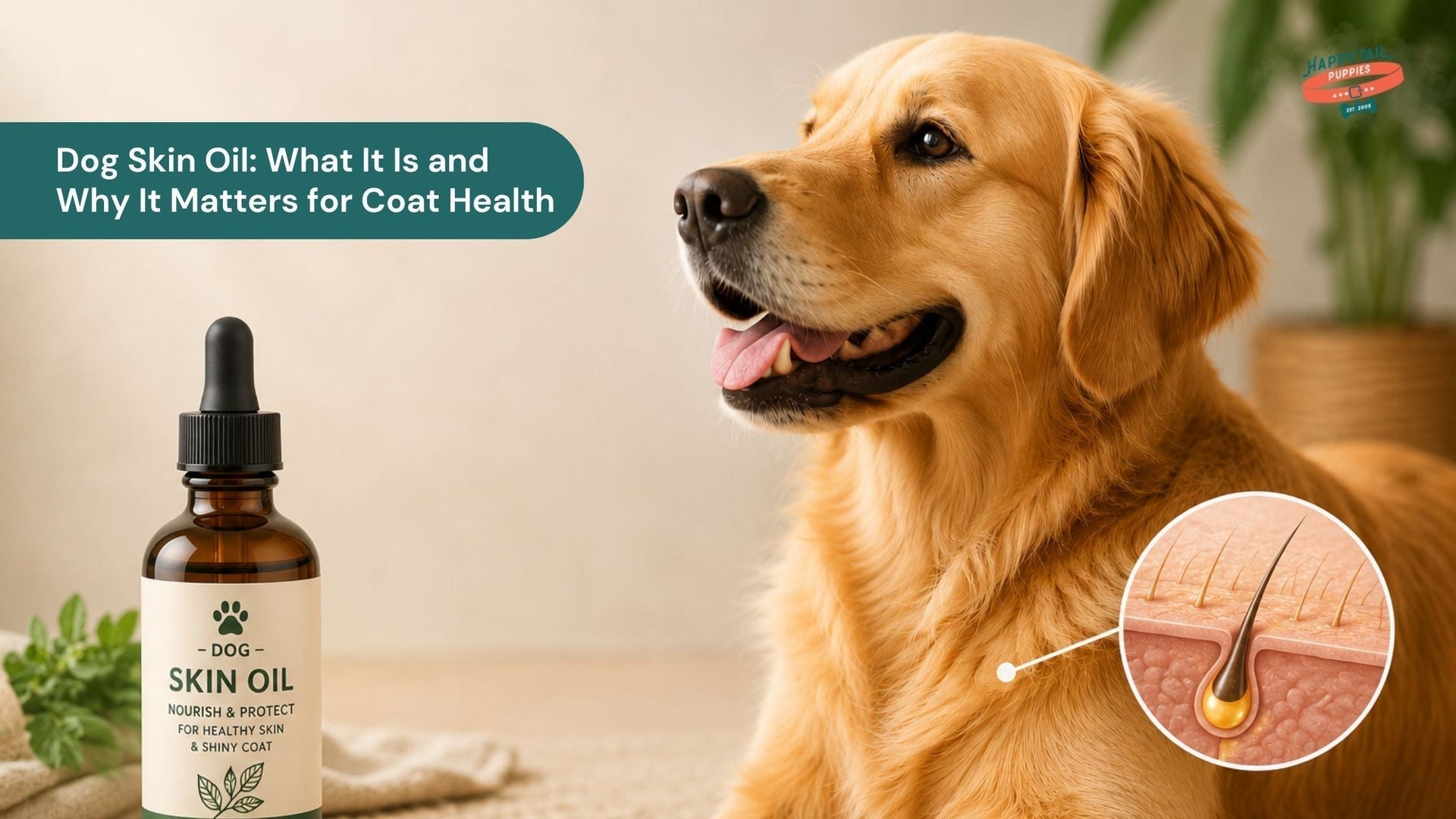
Dog skin oil plays a vital role in keeping your dog’s coat healthy, shiny, and protected. From maintaining moisture to defending against environmental stressors, this natural oil works quietly beneath the surface. Understanding how factors like diet, grooming, and climate impact oil production can help you support better skin health and a well-balanced, vibrant coat.
🐾 Table of Contents
When speaking of a dog’s coat, it carries a clear story before any symptoms unfold. The soft shine, seamless texture, and unexpected dullness start signaling what is actually happening under the surface. Although most pet owners focus only on grooming products or comprehensive grooming routines, the real thing bears something more deep at the skin level.
The core of the dog skin oil is natural. However, it is a powerful element that works around the clock to protect, nourish, and balance the coat of your dog.
It is not apparent, but it is directly involved in the appearance, sensation, and reaction of your pet to environmental stimuli. Being familiar with it can change your approach to life in terms of everyday care.
What Is Dog Skin Oil?
Dog skin oil, commonly referred to as sebum, is a natural product created by sebaceous glands within the skin. These glands are attached to follicles of hair and release oil that spreads over the skin and the coat.
Sebum is made up of fatty acids, waxes, and lipids that create a protective barrier. This oil may seem basic, but it is fundamental to ensuring your dog maintains balance in their skin and that their coat stays healthy.
For example, in smaller breeds such as a Teacup Shih Tzu, adequate levels of sebum are crucial. Their delicate, slim coats may soon become scruffy or matted without natural oils, and thus require regular attention.
The Role of Skin Oil in Keeping Your Dog’s Coat Healthy
Skin oil does not merely hang on the surface. They serve as several layers in the health and comfort of your dog.
Maintains Natural Moisture
Skin oil serves to prevent skin drying as it traps moisture. In its absence, the skin of a dog may become thick, flaky, itchy, and irritated, which causes discomfort and excessive scratching.
Enhances Coat Shine and Texture
The normal amount of oil contributes to the natural shine and softness of the coat. Balanced sebum in dogs will have a lower density, which is manageable.
Provides Protection Against External Elements
Sebum is a coating that covers the skin against dirt, bacteria, and any environmental pollutants. It also provides gentle waterproofing, which is particularly useful among active or outdoor dogs.
Supports Skin Health
Healthy oil production is one of the ways to keep the skin in its natural pH zone and lower the chances of infection. It acts as a first line of defense against harmful microorganisms, naturally supporting maintaining a dog's healthy coat and skin over time.
Factors That Affect Skin Oil Production
A number of external and internal factors affect the efficiency of your dog's skin in producing and keeping the oil levels intact.
Diet and Nutrition
The type of food a dog eats is a major factor in skin oil production and coat condition. Fatty acids such as omega-3 and omega-6 have a direct effect on the effectiveness of skin. They help in retaining moisture and producing sebum.
Inadequate nutrition may cause dryness, dullness, and more shedding. As a matter of fact, knowing the effects of diet on shedding helps to explain why dogs on nutrient-rich diets seem to have visibly healthier coats and experience reduced hair loss.
Could Your Dog’s Diet Be Causing Excess Shedding? 🐶✨
A dog’s coat health starts from within. Learn how nutrition, food quality, and essential nutrients can impact shedding, skin health, and overall coat condition — plus simple dietary solutions that may help reduce excessive fur loss.
Discover Diet & Shedding SolutionsGrooming Habits
Grooming patterns greatly influence the nature of how natural oils act on the skin. Excessive bathing removes vital oils, and minimal bathing may lead to accumulation and a clogged pore.
Rough shampoos or inappropriate products can lead to an imbalance in the skin barrier. A balanced grooming schedule assures the oils are not washed off daily but are also not deposited in an uneven manner over the coat.
Breed and Genetics
Different breeds have varying oil production levels due to genetic factors. Dogs have a genetic tendency to either produce more or less sebum, with some dogs unable to balance their production without additional help.
For example, breeds such as the Yorkshire Terrier have very fine, silky coats that depend on adequate oil distribution. Without it, their fur can very readily become brittle or liable to breaking.
Environmental Conditions
Skin oil production may be affected by external factors, including climate, humidity, and pollution. The dry air can lower the levels of moisture, and the high level of heat can raise the secretion of oil.
In urban areas, dogs may also experience exposure to pollutants, and this can interfere with the natural state of the skin. Seasonal changes also serve as contributing factors to changes in the coats.
Health Conditions
At the root of these health conditions, such as allergies, hormonal imbalances, or skin infections, may directly influence oil production. These circumstances can suppress or overstimulate sebaceous glands.
Constant symptoms such as redness, itching, or a strange smell. This usually means that the problem is not a normal variation and should be considered.
Age and Life Stage
Age also affects the way the skin works in a dog. The coats of the puppies might be softer with the formation of oil circulation, whereas older dogs might have dry skin or dry fur.
The older the dog, the less oil could be produced. Therefore, hydration and nutrition become even more important to keep the quality of the coat.
Hydration Levels
Water intake is a minor yet critical part of maintaining healthy skin. Healthy hydration aids cellular activity, which subsequently influences the production of oil.
Dogs that do not drink adequate water might display indications of dry skin and decreased coat shine. Regular hydration is known to ensure internal harmony and skin strength as a whole.
Practical Tips to Maintain Healthy Skin Oil Balance
The ability to support the natural oil levels in your dog is with the help of a thoughtful and consistent care regimen.
Feed a Balanced Diet
Good food also guarantees your dog the necessary fatty acids that will help maintain good, healthy skin. A balanced diet helps to maintain oil production and coat strength.
The provision of nutrient-dense food aids in enhancing the overall capability of the skin. In the long run, this helps serve as a polishing coat and reduces the risk of dryness or irritation.
Use Gentle Grooming Products
Mild, dog-specific shampoos are used to maintain the natural oils instead of removing them. This is particularly relevant with regard to the sustainability of skin balance in the long term.
You can also use products designed to treat dandruff in dogs as a means to regulate flaking and ensure the skin barrier. This promotes the effective distribution and effectiveness of the oils, which is in place.
Brush Regularly
This can be done by regular brushing to distribute natural oils throughout the coat and to prevent any accumulation of natural oil in one part and dryness in the other. It also eliminates loose fur and debris.
Regular brushing enhances circulation and contributes to the growth of healthier hair. It is a very easy practice that can improve the look and the use of your dog's coat.
Avoid Overbathing
Bathing too frequently may destabilize the natural oil cycle, causing the skin to be susceptible to dryness and irritation. The majority of dogs do not need washing regularly.
Delaying bath frequency can help prevent the skin from losing its protective layer. This helps keep moisture out and supports a naturally balanced coat.
Monitor Skin Condition
The skin and coat of your dog are important to notice when they are out of balance. The alterations in texture, scent, or color are not to be overlooked.
Early diagnosis enables early adaptive measures to be taken regarding the diet or grooming. It is an initiative that will ensure that a small problem can be translated into a greater problem.
When to Seek Veterinary Advice
Chronic skin problems must never be passed over without prior consideration because they can be signs of underlying medical issues. A high proportion of dogs also report skin-related problems every year, according to veterinary insights shared by the American Veterinary Medical Association (AVMA). It is important to pay attention to them early on.
The following are the warning signs to look out for:
- Too much scratching or itching.
- Observable hair loss or thinness.
- The hard, strange smell of the coat.
- Swollen, reddened, or inflamed skin.
- Oily or excessively dry areas.
Proper veterinary attention is essential to correct diagnosis and effective treatment. Early intervention helps to restore balance, avoid complications, and promote long-term bacterial skin and coat health in your dog.
Conclusion
Dog skin oil is significant in keeping coats healthy, comfortable, and protected. By testing how it works and taking simple measures to support it, pet owners can guarantee that their dogs have a healthier, glossier coat and an overall better time.
A regular program of balanced feeding, proper grooming, and frequent check-ups will go a long way in keeping your dog's skin and coat in optimum shape.
Frequently Asked Questions
What causes excessive dog skin oil buildup?
Overall, hormonal changes, infrequent bathing, and clogged sebaceous glands are frequently associated with excessive oil excretion problems.
Can weather changes impact dog skin oil levels?
Changes in humidity and temperature due to seasonal shifts affect oil secretion. Occasionally, this can lead to the making of an imbalance or a change in the texture of a coat.
Is oily skin in dogs linked to parasites?
Some parasites cause irritation to the skin, which indirectly raises the amount of oil production because the body is being irritated.
Do indoor dogs have different skin oil patterns than outdoor dogs?
Controlled air from indoor environments helps reduce exposure, which on many occasions results in a more stable and slightly drier skin condition.
Can stress affect a dog’s skin oil production?
Stress affects hormonal balance, which may distort the balance of natural oils and overall coat condition.
Related Articles:
- Cavapoo Health Tips to Improve Lifespan and Wellbeing
- Why a Health Guarantee Matters When Choosing a Puppy
- The Role of Therapy Dogs in Mental Health and Emotional Support
- Dog Stomach Gurgling: A New Puppy Owner’s Guide to GI Health
- How Much Exercise Does a Dog Need? Tips for Active and Healthy Dogs
- The Ultimate Guide to Maintaining Healthy Dog Skin and Coat