

Dogs and Mental Health: 10 Science-Based Ways Dogs Improve Your Well-Being
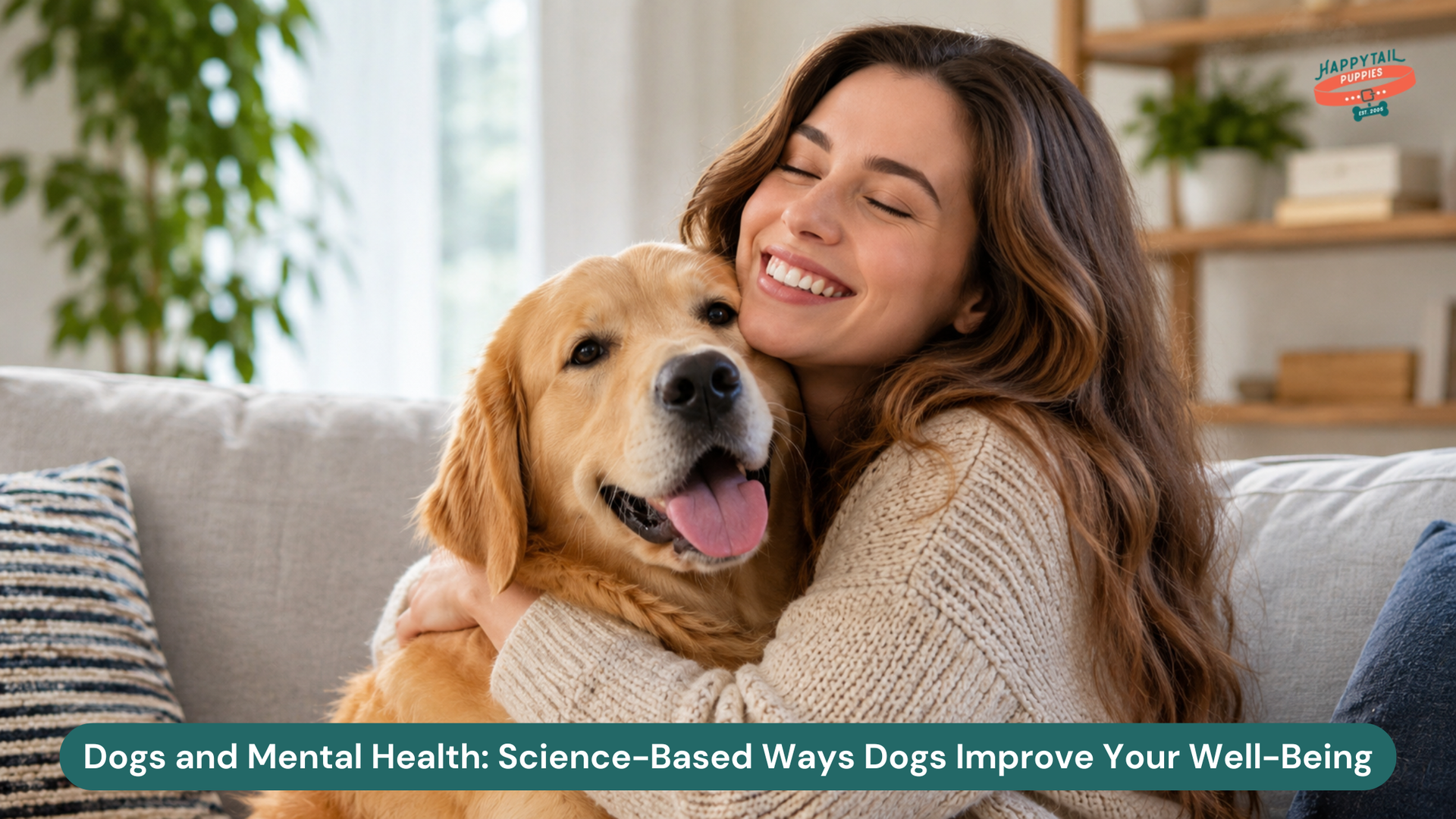
Can dogs improve your mental health? Learn 10 science-based benefits of dog ownership, including lower stress, better mood, improved sleep, and stronger emotional well-being.
⚡ Quick Answer
Dogs can do more than bring joy—they may support mental well-being too. From reducing stress and loneliness to encouraging exercise, routine, and social connection, spending time with dogs can positively impact your everyday mood and overall well-being.
🐾 Table of Contents
The importance of mental health cannot be overstated. People today are openly discussing anxiety, stress, and burnout. More and more researchers are now studying what really helps.
There is one area that is attracting significant scientific attention. And that is the bond shared between dogs and humans. Several studies indicate similar patterns. Dogs have a positive influence on our stress levels, daily routines, mood, and how we connect with other people.
Clearly speaking, dogs are never a substitute for professional mental health care. If you struggle, a doctor or therapist is still the right person to call first. However, as a source of everyday support and companionship, dogs can make a huge difference.
In our post today, we are going to take you through the top 10 science-based ways dogs can support mental health, what research indicates, and how to strengthen the bond with your pup.
Why Dogs Have Such a Powerful Impact on Mental Health
The effect here is more than just an emotion. It’s deep-rooted in a long history and in real biology that happens in your brain.
The Human–Dog Bond
For tens of thousands of years, dogs and humans have lived side by side. That extended history of companionship shapes how dogs read our emotions and how we respond to them.
This is how the bond formed:
- Dogs have evolved alongside humans as working partners and companions
- They build real emotional attachments with their owners
- Trust builds in both ways through regular interaction and care
This is more than just a nice idea. Dogs easily pick up on human facial expressions, tone of voice, and body language in ways that no other animals do. This can help explain why the bond feels so mutual. So, learning the signs your dog trusts you, like sustained eye contact, body language, or leaning into your touch, deepens bonding further.
What Happens in Your Brain Around Dogs?
When you spend time with yoru dog, it triggers real chemical changes happening in your brain. So, here’s what really happens:
Oxytocin
Also considered a “bonding hormone.” Petting or even looking at your dog raises oxytocin levels, the same hormones present across human bonding.
Dopamine
Also known as the “feel-good” hormone, it is associated with reward and pleasure. Both affection and playtime with your pup boost dopamine levels.
Serotonin
This is specifically beneficial in regulating mood and feelings of well-being. Positive interactions with pups are even associated with higher serotonin activity.
Cortisol
The body's main stress hormone is cortisol. Time spent with a pup lowers cortisol levels, calming the nervous system.
Straightforwardly, being around a pup will nudge your brain chemistry towards feeling connected and calm away from stress or isolation. A clear understanding of pet emotions starts right here, since detecting these chemical changes can explain why a simple greeting from your dog can elevate your entire mood.
10 Ways Dogs Support Better Mental Health
Each of the benefits that we share today is backed by research. Most of them are identifiable in the everyday moments you are already sharing with a pup.
1. Dogs Help Reduce Stress Levels
One of the most effective and immediate ways to reduce stress levels is petting a dog. Only a couple of minutes of contact can trigger a soothing, calm response in the body.
Here’s what petting really does:
- Petting drops cortisol levels
- Immediate activation of the body’s relaxation response
- Short interactions also work
- Works like a regular stress reliever
To experience this, you never need a special routine. Only a couple of minutes with your dog after a hard day can take the edge off. Loving, cuddly breeds such as a Bichon Frise are best-fit for calming hands-on stress relief.
2. Dogs Can Ease Feelings of Anxiety
Being with dogs has its effect, as these cuddly breeds offer a strong, predictable presence. This helps most people feel calm during moments of stress or anxiety.
How dogs ease anxious moments:
- Regular routines set strong groundwork for a sense of stability
- Physical closeness offers comfort during moments of stress
- Dogs bring a grounding effect in the present moment
- Although not a cure for diagnosed anxiety disorders, it is a beneficial coping tool
For persistent anxiety and regular struggle, a dog is the most beneficial part of the picture. Also, it works best alongside adequate treatment, not without it. This is often closely linked to the role of therapy dogs in mental health support, where trained pups are used to assist people in managing those anxious moments across clinical settings.
3. Dogs Help Combat Loneliness
Loneliness has become a widespread public health concern, and dogs effectively fill a real gap for most individuals.
How does this companionship help:
- Valuable for people who live alone
- Effective for empty nesters who adjust to their quieter home
- Supportive for remote workers without regular office interaction
- Offers consistent companionship and emotional connection
A dog is always there, loves seeing you, and that consistency is more important than people typically expect. Smaller, affectionate breeds such as Teacup Havanese are often chosen for this reason, as they tend to stay close and form a strong bond with their owners.
4. Caring for a Dog Creates Healthy Daily Routines
Dogs will need consistent care and a structured day.
Here’s what a regular dog care routine includes:
- Set feeding times
- Regular walking schedules
- Grooming and basic care habits
- A predictable daily rhythm
The structure offers most people a sense of purpose and responsibility. This is extremely grounding during those difficult stretches.
5. Dogs Encourage More Physical Activity
Exercise is considered one of the well-known tools that supports mental health. Dogs are built to move more.
How a dog keeps you moving:
- Regular walks become a habit instead of a chore
- Outdoor games add that extra movement
- Regular exercise enhances mood
- Fresh air and sunlight add more benefits
Even those short regular walks can add up for both you and your dog’s health.
6. Dogs Help You Connect With Other People
If you speak of conversation starters and social connectors, then there is no other example than your dog.
Ways dogs help you meet new people:
- Dog parks offer moments of social connection
- Neighborhood stroll leads to familiar faces
- Community and training events establish connections
- Shared dog ownership sparks new friendships
- Routine outings reduce social isolation
Most dog owners mention their closest local friendships that started with a simple “what a cute dog” on a walk. This highlights that the benefits of dog training for you and your pup go beyond simple good behavior. Joining group classes also introduces you to other owners who work towards achieving the same goals.
7. Spending Time With Dogs Can Improve Your Mood
There’s always a reason why dog videos are omnipresent online. Dogs are really well worth being around.
What makes time with your dog so uplifting:
- Playtime adds spontaneous joy
- Dohs are the most reliable source of laughter
- Love and cuddles improve positive emotions
- Their energy is extremely contagious
A couple of minutes of play with your pup can uplift your entire mood for the day.
8. Dogs Can Support Better Sleep Habits
Most dog owners will find that their pup helps them wind down and follow a consistent bedtime routine.
How dogs support a calmer bedtime:
- Evening walks that settle energy right before bedtime
- Consistent routines indicating your body’s need for rest
- A pup’s calm presence that feels calming at night
That said, sleep experiences vary. There are a few owners who sleep better with their pup nearby, while others may need to experiment with what really works.
9. Dogs Encourage Mindfulness and Living in the Present
Dogs never worry about what happened yesterday or what will happen tomorrow. So, spending time with them will pull you into a more present state.
How dogs bring you to the present:
- It’s grounding to watch a pup enjoy
- Outdoor time changes where and how we focus
- Fewer rooms for rumination or overthinking
- Encourage smaller yet good moments
In a sense, dogs are natural mindfulness teachers.
10. Dogs Give People a Sense of Purpose
Caring for another living being adds a lot of meaning to one’s life.
The point of caring for a dog is to build a purposeful self:
- A dog relies on you for food, care, and walks
- That responsible sense turns into daily motivation
- Small daily goals build a sense of accomplishment
- Caregiving builds emotional strength
For most dog owners, the pups become the real reason to get up and get moving, mainly on stressful days.
What Research Says About Dogs and Mental Health
For decades, many studies have been conducted by public health researchers. It is found that the overall pattern is consistent even when the study agrees on every detail.
According to the Centers for Disease Control and Prevention (CDC), the bond between people and their pets is associated with various health benefits. This includes lower cholesterol and blood pressure, reduced anxiety and loneliness, and greater opportunities for social connection and exercise.
A wider outlook on pet ownership discovered that interactions with pets are often associated with anxiety and depression, as well as stronger social connections. That same document pointed out that the results aren’t universal. Few studies have found little to no mental health benefits once the other factors were accounted for. Only a small number found added stress across specific situations.
An honest takeaway here is that the pups are associated with scalable, real benefits for most people. However, individual experiences vary with attachment level, lifestyle, and personal circumstances.
Are Dogs a Substitute for Professional Mental Health Treatment?
No, not at all! This is important to know.
Dogs offer real companionship, comfort, and daily structure. For most people, that is a meaningful support that enhances daily well-being. However, a dog is never a therapy, counseling, or a medical treatment. It shouldn’t be treated as a replacement for any such things.
If you’re dealing with depression, persistent anxiety, or other mental health concerns, the most effective route is to seek professional support with a pup as a helpful companion besides care.
Tips for Strengthening Your Bond With Your Dog
A stronger human-dog bond is associated with numerous mental health benefits.
A couple of effective ways to establish a connection include:
- Take regular walks, even if it’s short ones
- Keep some time for regular play sessions
- Use positive reinforcement training
- Spend quiet, undistracted, quality time
- Add mental enrichments such as new settings or puzzle toys
- Stay updated with regular vet care
Small, consistent habits build a stronger bond over time far more than occasional big gestures.
Conclusion
Dogs play an authentic, science-backed role in supporting mental health. They would encourage exercise, build a daily routine, ease loneliness and offer companionship that’s hard to replace.
With that being said, dogs play the most supportive role in a full mental health picture, rather than being a replacement for professional care when required.
So, if you’re already sharing your life with a dog, then take a couple of extra minutes today to play, walk or simply sit with them. Also, take time to learn what responsible ownership looks like if you are considering adding a pup into your life.
Frequently Asked Questions
Can dogs really improve mental health?
Yes. Research links dog companionship to lower stress hormones, reduced loneliness, and improved mood, though individual results can vary.
Can dogs help with anxiety?
Dogs can offer comfort, routine, and a grounding presence, which helps many people cope, but they aren't a cure for anxiety disorders.
Why do dogs make people happier?
Time with dogs raises feel-good brain chemicals like oxytocin and dopamine while lowering the stress hormone cortisol.
Is owning a dog good for emotional well-being?
For many people, yes. Dogs provide companionship, routine, and purpose, all of which support emotional well-being.
Do dogs help with loneliness?
Yes. Dogs offer steady companionship, which is especially helpful for people living alone or feeling isolated.