

How Cold Is Too Cold for Dogs? Essential Safety Tips and Warning Signs to Watch
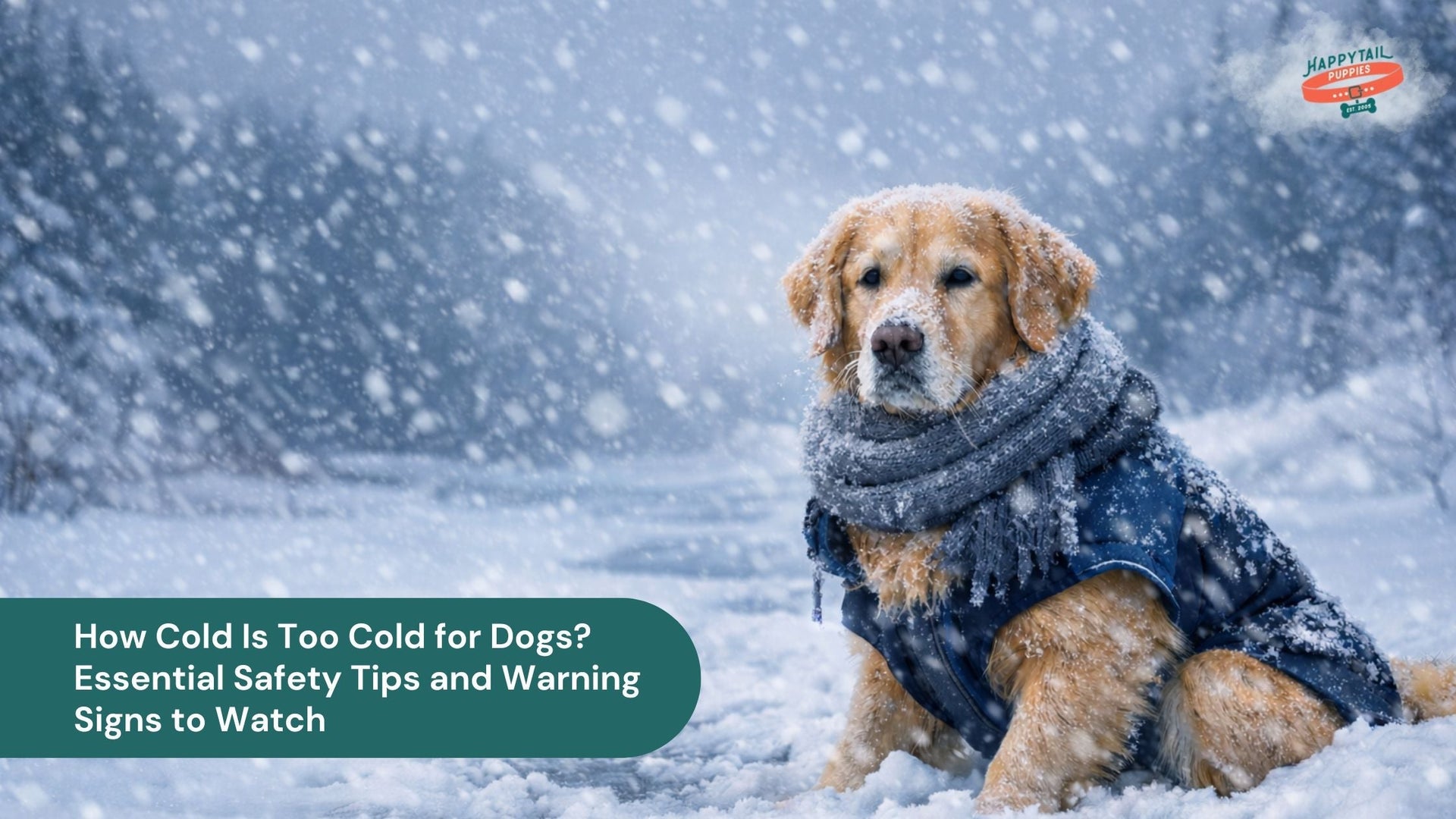
Winter walks can be magical, but freezing temps pose real risks. From breed tolerance to essential gear, here is your guide to keeping your dog warm and safe.
🐾Table of Contents
As winter sets in, it paves the way, welcoming crisp air, sparkling snow-covered driveways and walkways, and playful strolls that dog owners cherish. However, these significant drop in temperature poses some serious threats, like shivering to frostbite. This raises concerns for pet owners regarding their forever friend’s safety.
Each breed reacts differently to the cold. It generally relies on the breed, age, size, and health makeup. Understanding how to safeguard them, identify warning signs, and prevent emergencies is the key to responsible pet ownership.
So, let us now learn about how cold is too cold for dogs!
Factors That Affect a Dog’s Cold Tolerance
Every breed has its own way to experience cold. It relies on its body, coat, health, and surroundings. Knowing about these critical factors can help owners prevent frostbite or hypothermia. This ensures that your pup is safe and comfortable in this chilly weather.
- Breed and Coat Type: The Chihuahua is a breed particularly prone to cold, as it has a thin coat. The thick-haired double coats get along better in winter. Short-haired breeds are in need of additional protection in the outfield. The type of coat influences the heat trapping.
- Size and Body Fat: Small or skinny dogs lose their heat more quickly than larger breeds. Fat in the body is natural insulation, and this is useful in medium and large dogs, but tiny dogs might require sweaters or jackets.
- Health Status: The health conditions that can lead to a decreased tolerance to cold in a dog include heart diseases, respiratory diseases, or joint problems. Dogs that are compromised in health need special care and a limited outing.
- Age and Life Stag: Puppies and older dogs cannot withstand extreme temperatures. Newer dogs are not fully thermoregulated, and older dogs tend to have a slower metabolism and lower retention of body heat.
-
Acclimation and Activity Level: Dogs used to lower temperatures can withstand lower temperatures than those used to higher temperatures. Active dogs generate more heat, but the inactive pets are more prone to the cold and need additional protection.
General Temperature Guidelines
Although each dog is unique, the following general ranges of temperatures can be used to guide outdoor activities:
- Above 45°F (7°C): The majority of dogs are at ease with normal outdoor activity.
- 32–45°F (0–7°C): Observe small, short-haired, or old dogs. Restrict the amount of time spent outdoors and take into account such protective garments as sweaters or jackets.
- 20–32°F (-6–0°C): Sensitive dogs should only be taken out on short walks. Keep a watch on their shaking or nervousness.
- Below 20°F (-6°C): High-risk zone. Dogs are not supposed to spend long durations outdoors. Frostbite and hypothermia may take place in a short time.
-
Below 0°F (-18°C): Nearly all dogs are in dire threat. Small dogs such as the Yorkshire Terrier can easily experience frostbite and hypothermia. Therefore, they should not be taken outside in the cold unless they need to pass by the bathroom.
Essential Winter Safety Tips for Dogs
It is not merely a question of exposing your dog to the cold. Here are some practical tips:
Dress Your Dog Properly
The cold temperatures in winter affect dogs differently based on their size, breed, and coat type. There is a greater susceptibility to small or short-haired dogs. The dressing can help them to keep warm and safe. Always prepare your dog before heading out and to dress them appropriately. Ensure that:
- You cover them with warm sweaters
- Insulated jackets recommended
- Protective booties essential
- Neck scarves optional
When dogs are dressed in the right clothes, hypothermia is avoided, and the dogs are able to safely enjoy outdoor activities even in cold weather because their body heat is retained.
Limit Outdoor Time
Dogs may be exposed to cold for prolonged periods of time, which may be dangerous. Outdoor activities can be done in short sessions and minimise stress. Always keep your dog indoors in cold weather:
- Keep walks brief
- Avoid idle standing
- Monitor shivering signs
- Reduce playtime duration
Outdoor time will be minimized to prevent frostbite and hypothermia, and to ensure winter activities are comfortable and safe for the dogs.
Provide Safe Shelter
Outdoor dogs require an insulated, dry, and warm shelter. Sufficient protection protects them against wind, snow, and icy weather. On top of that, the owners can also offer a solution to keep pups warm and active indoors on bad weather days in winter. Bedding should be clean and elevated in order to optimise comfort. Provide a safe place for your dog, so that it can be warm and dry:
- Raised bedding preferred
- Draft-free enclosures
- Extra blankets added
- Heated pads optional
An efficient shelter will ensure the dogs are not exposed to extreme cold, which can cause them to be healthier, warmer, and generally safer in the winter.
Check Paws Regularly
Snow, ice, and salt are very harsh on paws, leading to irritation or cracking of the pads. Frequent checkups will prevent pain and suffering, and following simple winter care tips to keep your pup safe during outdoor walks. Cold winters and uneven floors make paw care the norm. It is always necessary to check the paws of your dog in winter and cover them:
- Wash paws daily
- Dry thoroughly afterward
- Apply protective balm
- Inspect pads often
Frequent paw grooming will help prevent paw irritation, cracking, and infections, allowing dogs to safely spend time outdoors.

Winter Care Made Easy
Cold weather can be tough on dogs. Learn the simple winter care tips to keep your pup safe, warm, and happy all season long.
Read the Winter Care Guide →Monitor Hydration
Cold weather would make dogs dehydrated because they would not drink as much. Dehydration poses dangers of cold-related diseases and influences energy, blood circulation, and thermoregulation. Always give fresh water, and make people drink in the house:
- Offer fresh water
- Check bowls frequently
- Encourage drinking indoors
- Prevent frozen water
Watering dogs assists in circulation, energy levels, and body temperature during winter seasons.
Maintain Nutrition
Maintaining a cold environment increases the caloric requirements of dogs. Energy is obtained through a proper diet to keep one warm. The active dogs, puppies, and seniors require more energy to retain body heat. During the winter season, dogs must always be fed nutritious meals:
- Feed nutrient-rich food
- Adjust portion sizes
- Include warm meals
- Avoid sudden diet changes
The importance of balanced nutrition reinforces immunity, helps to sustain weight, and makes dogs active and healthy even during cold weather.
Keep Indoor Activities Engaging
Outdoor activities are not always safe, but the dogs need psychological and physical stimulation. Introducing Indoor Games for Dogs will help release energy, reduce boredom, and ensure their health is not compromised, even in cold winter seasons. Indoor activities should always be given to keep the dogs busy and entertained:
- Puzzle toys offered
- Short training sessions
- Hide-and-seek games
- Tug-of-war indoors
The indoor activity ensures mind stimulation, exercise, and keeps dogs happy without having to be exposed to cold weather, which is hazardous.
Warning Signs Your Dog Is Too Cold
Dogs may withstand cold easily, but some do not. It is important to notice the warning signs at the early stages. A quick response will help to avoid severe health complications, and the health of your pet will be kept safe:
- Shivering or trembling constantly: The dog is shivering constantly, which suggests heat loss, and it may become hypothermic. It is necessary to warm them up inside as soon as possible and monitor his well-being.
- Whining or anxious behavior outdoors: Dogs can cry or stomp, which is a sign of distress or low temperatures and suggests it is time to reduce time spent outside and heat it up.
- Lethargy or slowed movement: Slowness, dragging paws, or low energy are signs of hypothermia, and gradual warming is required to allow the body to rest and avoid additional complications.
- Pale or bluish gums: Among the signs that can indicate a life-threatening need for veterinary care is turning the gums pale or blue due to circulatory problems or extremely low temperatures.
-
Frostbite symptoms on extremities: Ears, tail, and paws can be pale, hard, or discolored. Frostbite requires timely treatment and slow rewarming.
When to Consult a Veterinarian
There are some cold complications that cannot be managed without the help of a specialist. Even slight indications of uneasiness or abnormality in cold weather can prove that there can be health dangers:
- Persistent shivering indoors
- Difficulty walking properly
- Swelling extremities noticed
- Pale or discolored skin
- Unusual lethargy persists
The American Veterinary Medical Association (AVMA) states that every year, thousands of pets fall victims of hypothermia and frostbite, and the necessity of early veterinary care in prevention and treatment.
Conclusion
Dogs can enjoy the cold weather when it is approached wisely. Being mindful, ready, and thoughtful about the well-being of pets can help keep them safe, comfortable, and happy.
That is why, by watching what your dog does and taking care of its needs, you can arrange the environment during winter to be both stimulating and safe. Their well-being should come first, enabling them to live, even in the coldest months of the year.
Related Articles: