
The Ultimate Joy Checklist: Signs of a Happy Dog
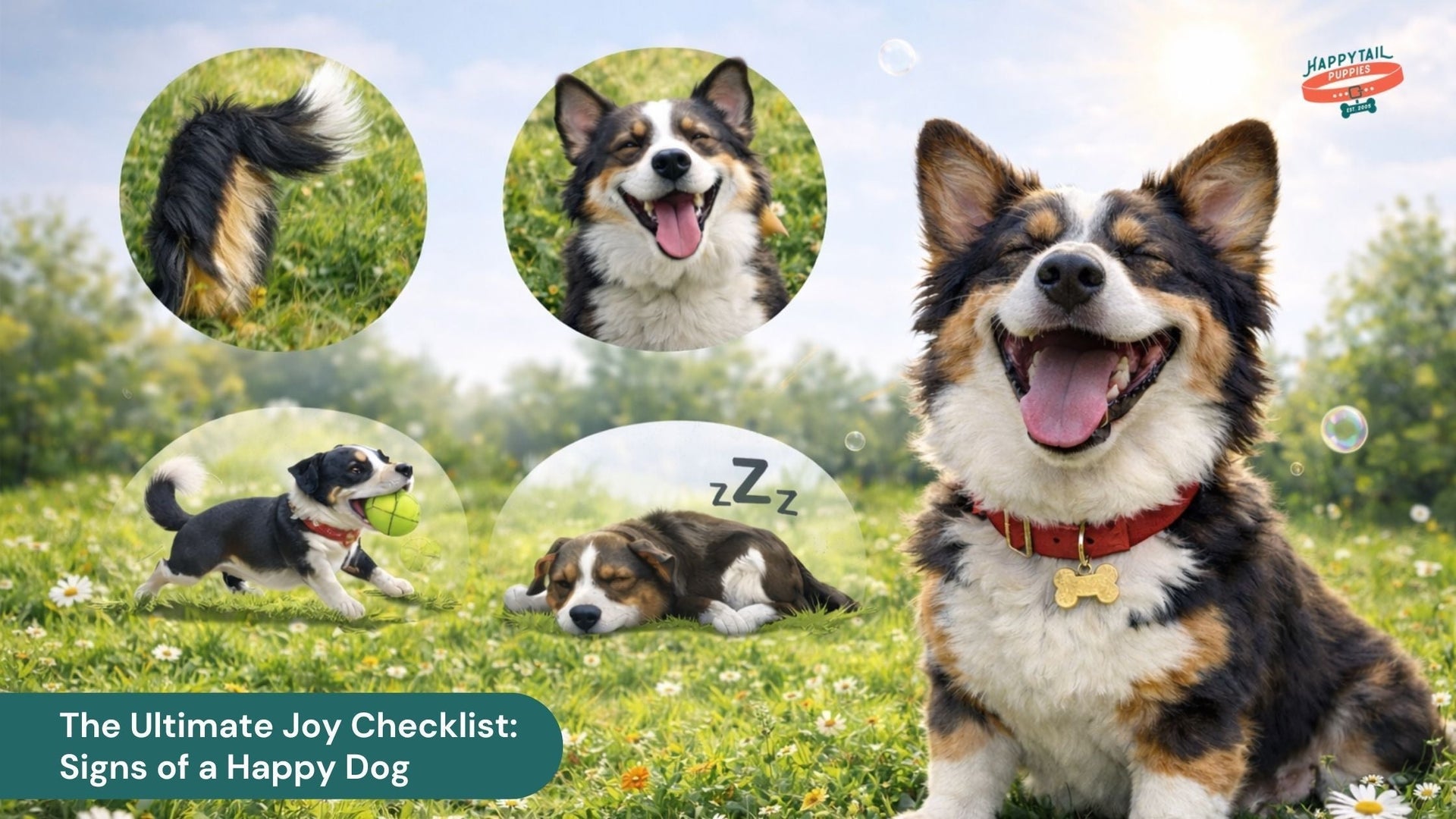
Dogs don’t need words to tell us how they feel. From "doggy smiles" to deep sleep, learn how to identify the subtle signs of a truly happy, fulfilled dog.
A dog’s vocabulary isn't found in words, but in the quiet language of their daily habits and physical cues. Their emotions are evident through their adorable behavior, body language, and innate instincts. True joy isn't just found in a new toy or a favorite treat; it shows up in more subtle, consistent ways—in their vibrant health, their emotional stability, and the unbreakable bonds they share with us.
The real joy checklist will help you identify subtle signs of a happy dog, understand what they mean, and confidently address your concerns about "Is my dog happy?"
Let's help you uncover the details in our post today!
Why Understanding Dog Happiness Matters
The behavior, the health, and the quality of life of a dog are closely associated with emotional well-being. When the dogs are happy and safe, they become more relaxed, open, playful, and strong. Conversely, alterations in cheerfulness tend to precede physical symptoms and thus emotion acts as an early warning of stress or pain.
Knowing what real happiness looks like can benefit you like:
- Strengthen your bond
- Prevent behavioral issues
- Respond quickly to emotional or physical needs
- Create a space where your pup feels safe and fulfilled
The Ultimate Joy Checklist: Signs Your Dog Is Truly Happy
The happiness of a dog is expressed through its day-to-day behavior, body language, and emotional reaction that indicates comfort, trust, and well-being in their life.
Relaxed Body Language
The posture is easy and indicates emotional security and physical ease. Happy dogs move freely, they carry their bodies naturally, and do not display any stiffness, fear, or defensive tension in their daily interactions. Breeds such as the Bichon Frise tend to pose in these relaxed positions, and it is easy to notice their signs of happiness.
This casual attitude is usually conveyed in some minor signs, like:
- Loose body stance
- Neutral ear position
- Soft facial muscles
- Gentle tail motion
Relaxed body language is a consistent behavior that shows your dog feels safe in its surroundings and trusts what is around it, making it one of the surest signs of happiness.
A Genuine Doggy Smile
A dog's open mouth and gentle expression often resemble a smile, indicating comfort and pleasure. This phrase is used in natural situations when one feels good and not when one is stressed or overwhelmed.
This jovial expression is mainly associated with:
- Relaxed jaw muscles
- Light tongue exposure
- Calm facial expression
- Easy breathing pattern
A dog's easy, natural smile often indicates ease and contentment in its emotions. Specifically, at social times and when it is engaged in common activities with individuals it knows well.
Healthy Interest in Surroundings
Happy dogs engage with their surroundings with calm curiosity. They sniff around, explore, and observe without signs of stress or fear. This highlights their confidence and mental stimulation instead of anxious vigilance.
This level of curiosity is usually accompanied by acts like:
- Calm environmental sniffing
- Curious visual scanning
- Confident movement patterns
- Steady attention span
A strong curiosity about the environment indicates that the dog is emotionally stable, well-stimulated, and feels secure enough to explore without stress or reactivity.
Playfulness at Appropriate Times
Play is an intense emotional source that can express happiness and confidence. Happy dogs willingly initiate and respond to games positively, and play without feeling frustrated, aggressive, or hyperactive. Energetic and small dogs like the Cockapoo often start a game, expressing their happiness in a kind manner when carrying toys and being responsive.
This joyful play behavior is displayed in such activities as:
- Play bow gestures
- Bouncy movements
- Gentle toy carrying
- Responsive engagement
The right playfulness demonstrates emotional stability, social ease, and psychological stability. It can help dogs to release energy and strengthen their relationship with people and other animals.
Consistent Healthy Appetite
A steady appetite often reflects emotional comfort and physical wellness. Happy dogs are interested in meals and have regular eating patterns, neither stress-related refusal patterns nor compulsive overeating.
The signs that support a healthy appetite are:
- Regular meal excitement
- Predictable eating routine
- Calm feeding behavior
- Stable food preferences
When the appetite is steady, it indicates that the dog is emotionally and physically secure, so feeding behavior is a valuable day-to-day measure of the dog's overall happiness.
Comfort with Rest and Sleep
Dogs who feel safe will rest comfortably and deeply. Happy dogs sleep without any constant vigilance, move at their own will, and seek the places they are familiar with and feel safe and emotionally calm.
Comfortable rest or sleep often appears like:
- Deep daytime naps
- Flexible sleep positions
- Quiet breathing patterns
- Preferred resting spots
Quality rest means trust and safety so that dogs can rest physically and emotionally. This is instrumental to continued happiness and behavioral stability.
Enjoyment of Human Interaction
Happy dogs often search for companionship with their humans. They enjoy closeness and affection without extreme dependency, building comfort, trust, or an emotional connection through daily interactions. Knowing how to strengthen your bond with your dog ensures that these loving moments contribute to sustained happiness and emotional security.
Signs of a good social enjoyment include:
- Gentle physical contact
- Calm following behavior
- Relaxed cuddling moments
- Positive grooming response
Feeling comfortable with anxiety-free human interaction demonstrates emotional confidence. This strengthens the relationship between the dog and the owner and enhances the long-term emotional health.
Positive Social Behavior with Other Dogs
Happy dogs exhibit appropriate social responses to other dogs. They act confidently, whether playful or neutral, but not afraid, avoiding unnecessary reactivity when encountering others socially.
Healthy dog-to-dog interaction includes:
- Calm greeting behavior
- Respectful personal space
- Playful engagement cues
- Neutral passing responses
Positive social behavior implies emotional stability and confidence, and enables dogs to move around in the same environment without stress or conflict.
Trusting Eye Contact
Soft and gentle eye contact projects emotional trust and builds a connection. Happy dogs generally engage visually without any stress. They use subtle glances rather than prolonged stares to indicate a strong bond and comfort. Learning the signs that your dog trusts you can help deepen your bond and help you interpret these relaxed glances flawlessly.
Trusting eye contact is often paired with:
- Relaxed facial muscles
- Gentle blinking behavior
- Calm body posture
- Affectionate engagement
When a dog looks at you with a relaxed expression, it indicates trust, safety, and emotional attachment, which deepen your bond and suggest they are generally happy.
What Can Reduce a Dog’s Happiness?
A number of overlooked lifestyle factors can slowly diminish a dog's emotional state. These factors tend to influence behavior earlier than health, and early awareness is crucial to avoid stress or dissatisfaction in the long run.
Some of the factors that tend to decrease happiness include:
- Insufficient mental stimulation
- Irregular daily routines
- Limited social exposure
- Unmanaged physical discomfort
As the American Veterinary Medical Association (AVMA) states, behavioral changes can be listed among the first symptoms of welfare issues associated with stress in companion dogs.
Tips to Support Long-Term Dog Happiness
A dog's happiness is built on regular care, emotional insight, and a balanced lifestyle that promotes physical well-being and psychological fulfillment at all stages of life.
- Maintain Predictable Routines: Regular routines can make dogs feel safe by reducing uncertainty, helping them better manage their emotions, and establishing a predictable environment.
- Provide Mental Enrichment: The puzzle toys, scent games, and training exercises encourage cognitive development, prevent boredom, and build confidence.
- Encourage Regular Physical Activity: Proper activity promotes physical health, relieves stress, regulates energy usage, and enhances emotional stability.
- Use Positive Reinforcement: Training based on rewards fosters trust, enhances communication, and reinforces desired behaviors without fear that the dog is not understood or motivated.
-
Schedule Preventive Veterinary Care: Regular health check-ups can detect pain or illness at an early stage, so it does not creep into mood, behavior, and long-term emotional health unnoticed.
Conclusion
Perfection is not what a happy dog requires, but rather, safety, contact, challenge, and affection. By observing such happy clues, you can learn more about your dog's emotional world and act in ways that help build trust and companionship.
Whenever dogs are really happy, you know it in every wag, every look, every playful moment, and that is one of the best advantages of having dogs as companions.
Related Articles: