

Understanding Dog Breath: What’s Normal and What’s Not
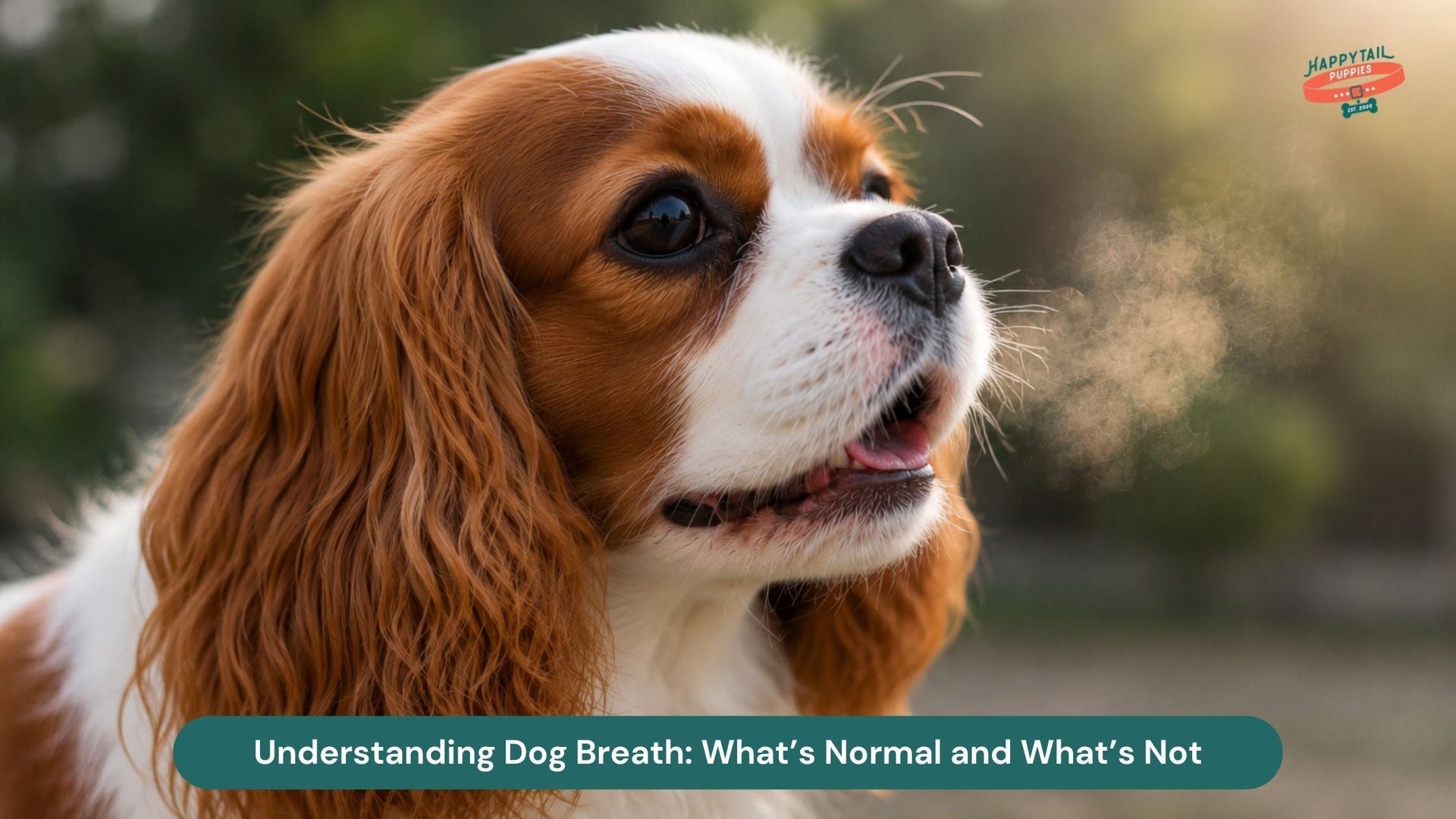
Dog breath can reveal more than just oral hygiene — it may also signal digestive issues, gum disease, or underlying health conditions. This guide explains what normal dog breath smells like, common causes of bad breath, when to worry, and simple ways to maintain your dog’s dental health and overall wellbeing.
🐾 Table of Contents
You know, dog owners will tend to notice that dog breath can tell not only about oral health, but also about the general health status and daily routines. Light smells tend to remain harmless and containable, whereas sharp smells can indicate small alterations in the body or mouth that warrant attention. This observation assists in guaranteeing the long-term health and comfort of your pet.
Small dogs, such as a Yorkshire Terrier, tend to develop dental sensitivity sooner in their lives than most large-bodied dogs, as they have small jaw structures and tightly packed teeth. Having this awareness of breed-specific risks helps to understand how certain dogs develop changes in their breath earlier and warrants more regular oral health care routines.
What Does “Normal” Dog Breath Smell Like?
The typical dog has a mild or slightly smoky breath. It is not a pleasant smell like human breath, but it too must not be offensive.
Normal characteristics of dog breath are:
- Slightly earthy or “animal-like” scent
- Occasional variation after eating food or treats
- No foul, rotten, or chemical smell
- Breath that never lingers in a room
Depending on such factors as food, chewing behavior, and even water intake, the smell of a dog's breath can change each day. For example, wet-food-eating dogs may have slightly stronger breath than those on dry kibble, and initial training experiences, such as how to stop puppy biting and nipping, could also have lasting effects on oral behaviors and tooth-grinding tendencies.
Put an End to Puppy Biting the Right Way 🐶🦷
Puppy biting and nipping are normal, but consistent training can make all the difference. Discover gentle, effective techniques to redirect unwanted behavior, teach bite inhibition, and raise a well-mannered companion with confidence.
Read the Puppy Biting GuideCommon Causes of Bad Dog Breath
Halitosis (bad breath in dogs) is not necessarily a mere cosmetic problem. It may be attributed to oral health or internal health.
Plaque and Tartar Build-Up
Plaque that is present on teeth is one of the most frequent causative factors of foul breath. With time, plaque hardens to form tartar that entraps bacteria and leads to odor.
Signs include:
- Brown or yellow teeth towards the gumline
- Observable deposits on teeth
-
Redness or swelling of the gum.
Gum Disease (Periodontal Disease)
When the plaque is not treated, it can cause gum infection. This condition is very common in adult dogs. Preventive veterinary dentistry is also beginning to closely monitor this condition. Dental disease is listed as one of the most prevalent health problems in dogs in 2026, according to the American Veterinary Medical Association (AVMA), with a large percentage of adult pets developing it during routine checkups.
Symptoms may include:
- Bleeding gums
- Difficulty chewing food
- Loose teeth
- Persistent bad odor from the mouth
Dietary Causes
Some foods will have a short-term effect on breath quality. The dogs that consume food, fish, garbage, or table scraps might have a stronger odor.
Common triggers:
- High-protein diets
- Spoiled food consumption
- Leftover human food
- Eating improper outdoor objects
Digestive Issues
Bad breath sometimes does not come from the mouth but from the stomach. Bad digestion or intestinal disproportion may produce distinctive smells.
Possible indicators:
- Frequent gas or bloating
- Irregular bowel movements
-
Reduced appetite
Foreign Objects in Mouth
Dogs just tend to chew sticks, toys, or any random things, and occasionally, a piece of an item is lodged in the mouth or between teeth.
This can cause:
- Sudden foul smell
- Pawing at the mouth
- Drooling more than usual
Serious Health Conditions Linked to Bad Breath
In others, chronic bad breath can be an indicator of underlying problems in the health of the pet that a doctor should be consulted about.
Kidney Disease
In cases of kidney problems, toxins accumulate in the blood and cause a foul ammonia odor in the breath.
Other signs:
- Increased thirst
- Frequent urination
- Weight loss
Diabetes
Uncontrolled dogs with diabetes can also produce sweet or fruity-smelling breath because of high levels of ketones.
Accompanying symptoms:
- Excessive drinking
- Increasing hunger and a loss of weight
- Lethargy
Liver Problems
Toxin accumulation can also influence breath odor since it can result in liver dysfunction.
Watch for:
- Gum and eye yellowing
- Vomiting
- Poor appetite
How to Maintain Fresh and Healthy Dog Breath
Maintaining good oral health is key to preventing bad breath and other health problems.
Regular Brushing
Regular brushing sessions are key to the eradication of bacteria, plaque, and gum disease. Early initiation of brushing also helps dogs become more accustomed to it.
Prior to enumerating steps, it is important to understand why regular oral care practices are vital to establishing a foundation for long-term dental health.
Hygienic habits to follow:
- Use dog-safe toothpaste only
- Brush several times weekly
- Introduce brushing gradually
- Focus on the back teeth areas
Frequent brushing develops healthy habits of oral care that are effective in the long run in maintaining fresher breath and healthier gums.
Dental Chews and Toys
Chewing implements not only enhance natural cleaning activities but also maintain mental and physical activity in dogs throughout the day. These are tools that can be used in addition to brushing.
Structured chewing habits may be worth considering to enhance oral cleanliness and address destructive behavior patterns caused by boredom before exploring alternatives.
- Select dental chews that are vet-authorized
- Play with textured rubber toys
- Use materials that are not too hard
- Rotate toys regularly
Chewing helps better control plaque and creates a fresher feeling in the mouth overall, as long as it is part of everyday routines.
Professional Dental Cleaning
Dental cleaning in the case of the veterinary is necessary when the plaque is difficult to remove at home. This has to be removed, and a gum assessment needs to take place under cautious circumstances.
A proper understanding of the importance of professional care will grant earlier intervention and prevent the silent development of oral complications.
Sound approaches include:
- Removal of hardened tartar without affecting periodontal health
- Identifies underlying dental problems
- Minimizes gum disease
- Makes oral comfort much better
When left at the right time, professional cleaning replenishes oral balance and assists in keeping teeth and gums healthier.
Healthy Diet Choices
The role of nutrition in oral health is potent. This can determine the number of bacteria, the efficiency of digestion, and the general freshness of breath with time.
Prior to making food selections, identifying dietary effects on oral bacteria helps promote long-term oral hygiene and support healthier digestion.
- High-quality kibble supports teeth
- Limit sugary treats and scraps
- Provide fresh, clean water
- Maintain feeding consistency
Healthy eating options can stabilize the quality and amount of a person's breathing and should be used to maintain long-term digestive and dental health.
Routine Vet Checkups
Frequent visits to the veterinarian enable timely diagnosis of dental and systemic disorders before they become acute and complicated to treat at home.
Prior to the care plan, knowledge of preventive health advantages promotes early intervention and follow-up on long-term health conditions.
- Allows early detection of diseases
- Tracks oral health development
- Offers personalized care advice
- Prevents serious complications
Regular examinations provide sustained health stability and aid in the early detection of emerging oral or internal diseases.
When Should You Be Concerned About Dog Breath?
Not everything is suspicious in terms of odor, yet some changes are to be noted.
Visit the vet in case of:
- Unusual, conflicting smell
- Swollen or bleeding gums
- Loss of appetite
- Excessive drooling
- Alterations in energy or behavior
Minor health problems may also be avoided by those that can result in major problems that can be averted through early intervention.
Final Thoughts
Dog breath can be a quick indicator of the level of oral health, regular practices, and underlying medical issues that might not be immediately apparent. Regular care, a well-balanced diet, and a visit to the vet help keep breath fresher and overall wellbeing better.
By not ignoring minor changes, it is possible to avoid complications in the long run and keep dogs healthier, more comfortable, and happier at all age groups.
Frequently Asked Questions
Why does my dog’s breath suddenly smell worse than usual?
The abrupt change in odor of teeth usually sets in dental infection, a change of diet, or a foreign body.
Can brushing my dog’s teeth completely eliminate bad breath?
Dental cleaning can also help greatly to reduce odor, but it is not able to do so completely in case of internal problems.
Is bad breath in puppies normal or concerning?
A weak smell is normal in puppies, whereas a deep, enduring smell must be treated by a doctor immediately.
Related Articles: