
How to Stop Puppy Biting and Nipping the Right Way
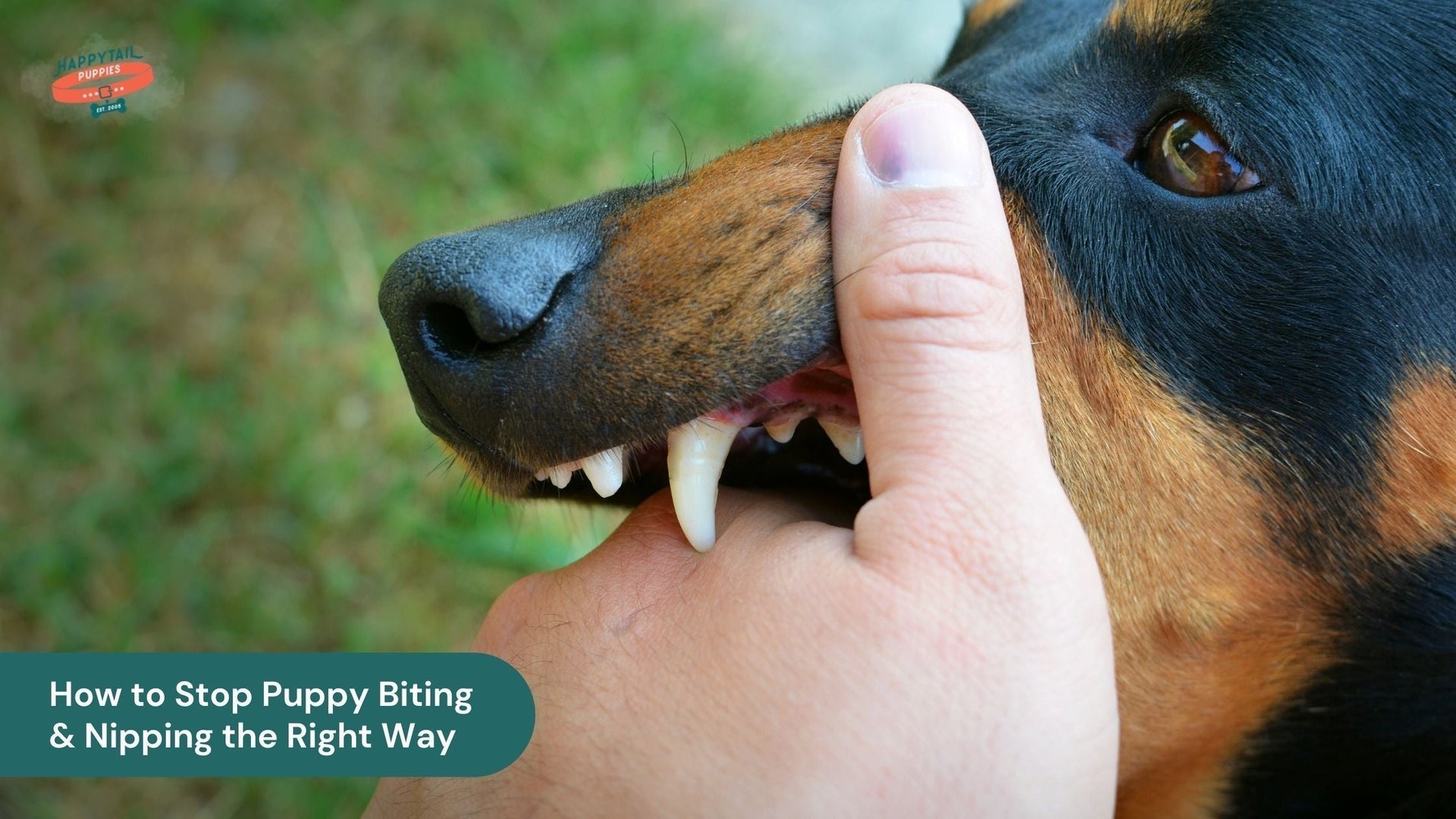
Puppy biting and nipping are common during early development as puppies explore the world with their mouths. Gentle training, redirection, and positive reinforcement help teach safe play and prevent unwanted biting habits.
🐾Table of Contents
Among dog owners, it is familiar to find your pups snarling around the world around them with noses and mouths. There are these playful gestures, such as nips, soft chewing, and occasional biting, which are common among them during their early stage of development. Proper training during this stage of a pup's development will help shape its future behavior and prevent aggression.
Healthy training routines prioritize teaching pups their boundaries instead of punishing their curiosity. The right type of redirection, consistent responses, and structured play sessions can help pups learn which behaviors are rewarded. Maintaining consistency can help owners manage their puppy's nipping problem patiently as their four-legged companion matures.
Why Puppies Tend to Bite During Early Development
Knowledge of the causes of nipping behavior can help owners respond positively and efficiently. Puppy biting is extremely rare. This is usually motivated by natural instincts, painful teething, and excitement.
The primary reasons behind puppy biting are:
- Teething discomfort
- Playful exploration
- Attention seeking
- Overstimulation
Playful small dog breeds, like a French Bulldog, express their excitement through their mouthy behavior in their puppyhood. This emphasizes the need for bite-control training. Identifying the main triggers helps owners respond patiently and use the right training techniques instead of frustration.
Early Signs That Puppy Biting Needs Correction
Small nips might appear to be harmless in the beginning, but the habit of not taking care of them can lead to stronger exercises of biting in the future. By learning the behavioral patterns, the owners are likely to intervene earlier and steer the puppies towards safer playing behaviors.
Such warning signs to look at are:
- Frequent hand biting
- Rough play escalation
- Ignoring verbal cues
- Excited jumping bites
Active little breeds such as the Miniature Dachshund can exhibit high levels of nipping during play, and early detection of these warning signs can thus be of great help to its owners.
Effective Training Methods to Reduce Puppy Nipping
Misbehavior can be corrected softly and through constant training. The puppies are taught to treat people in a safe manner. Good habits can be developed through positive reinforcement and based on play, and the development of unwanted biting behavior decreases.
Teach Bite Inhibition Early
It is natural that, being exposed to littermates during their early days, young puppies learn it is to control biting. This process should be continued by human caregivers, who should respond calmly and consistently whenever biting occurs.
The inhibition training of healthy biting involves:
- Yelp softly
- Pause playtime
- Calm disengagement
-
Resume gentle play
Focus will provide the understanding that rough biting is quickly interrupted in cases involving puppies. Repeat reactions promote interaction and assist puppies to develop restrained mild rootedness.
Practice Patience During the Teething Phase
Teething is painful but promotes the act of chewing and nipping. Peaceful control at this stage assists the puppies to progress through the phase without problems.
Helpful teething support includes:
- Frozen chew toys
- Soft rubber chews
- Gentle gum massage
- Cooling treats
The process of teething is eventually overcome by the development of adult teeth. When do puppies stop teething? This is a question many new owners often ask, because this period severely impacts chewing and mouthing behavior. The combination of patient training and choice of soothing chew options assists puppies in coping with ease and having normal chewing behaviors.
Redirect Biting to Appropriate Toys
Chewing is also an instinct among puppies. Providing alternatives is appropriate to avoid targets that could take the form of hands or clothing during playful instructions.
Some of the effective redirection techniques are:
- Chew toy swap
- Tug toy play
- Textured teething toys
- Frozen chew treats
Knowledgeable redirection forbids the chewing tendencies to non-hazardous objects. Consistent use of toys can help pups learn which items they can put in their mouth in playtime.
Maintain Consistent Training Responses
Dogs are confused with mixed signals, and their training is retarded. Whenever nipping happens, all members of this family are required to react alike.
Regularity in the training entails:
- Same verbal cues
- Immediate corrections
- Calm body language
- Unified family response
The effect of reliable reactions will assist puppies to grasp limits within the shortest time. Anticipated reactions minimize confusion and accelerate the learning process at the early stages of development.
Avoid Encouraging Rough Play
Some of the games also promote biting unintentionally. Nipping can be reduced by wrestling hands together or by playing with puppies through finger-teasing. Knowing and learning dog body language can help the owner recognize when things are getting too much and when playful chewing turns into rough biting.
The play practices to include in order to promote safety are:
- Use toys only
- Structured play sessions
- Gentle interaction rules
- Calm reward moments
The organized play maintains a reasonable level of excitement. Gradually, puppies come to take notice of the fact that kind treatment can result in attention, whereas any reward attained through rough behavior will instantly terminate the game.

Understand Your Dog Better
Your dog is always communicating. Discover what your dog’s tail, ears, and eyes reveal about their emotions and behavior.
Learn to Read Dog Body Language →Use Positive Reinforcement for Gentle Behavior
Positive reinforcement of good conduct augments good habits. The action is repeated when the puppies get a reward in the form of praise, treats, or love.
The strategies of positive reinforcement are:
- Treat gentle play
- Praise calm behavior
- Reward toy chewing
- Encourage quiet moments
Confidence and trust are established through reward-based training. Puppies learn to associate gentle treatment with positive results. They will continue to make attempts as they are likely to replicate secure interactions during daily play.
Provide Enough Physical and Mental Stimulation
Biting and hyperactivity behavior can be attributed to excess energy. The exercises and mental practices maintain a balance and calmness in puppies.
Balanced stimulation may include:
- Daily walks
- Puzzle toys
- Short training games
- Interactive playtime
Frustration and boredom are minimized by proper activity. A contented puppy is better and calmer, not prone to biting to find an energy outlet.
Conclusion
The bites and nips of a puppy might be frustrating, but it is normal when a child is just starting to develop as a dog. Soft handling, regular training, and patience help the puppies learn to feel the limits and provide a chance to explore the world without being too dangerous.
The training depends on the ability to redirect the chewing, reinforce calm behavior, and provide consistent responses in play. Bit by bit, puppies come to know that being kind can get them some attention, and acting roughly stops the play.
Related Articles: