
Why Sniff Walks Are Good for Dogs: Benefits and Tips for Beginners
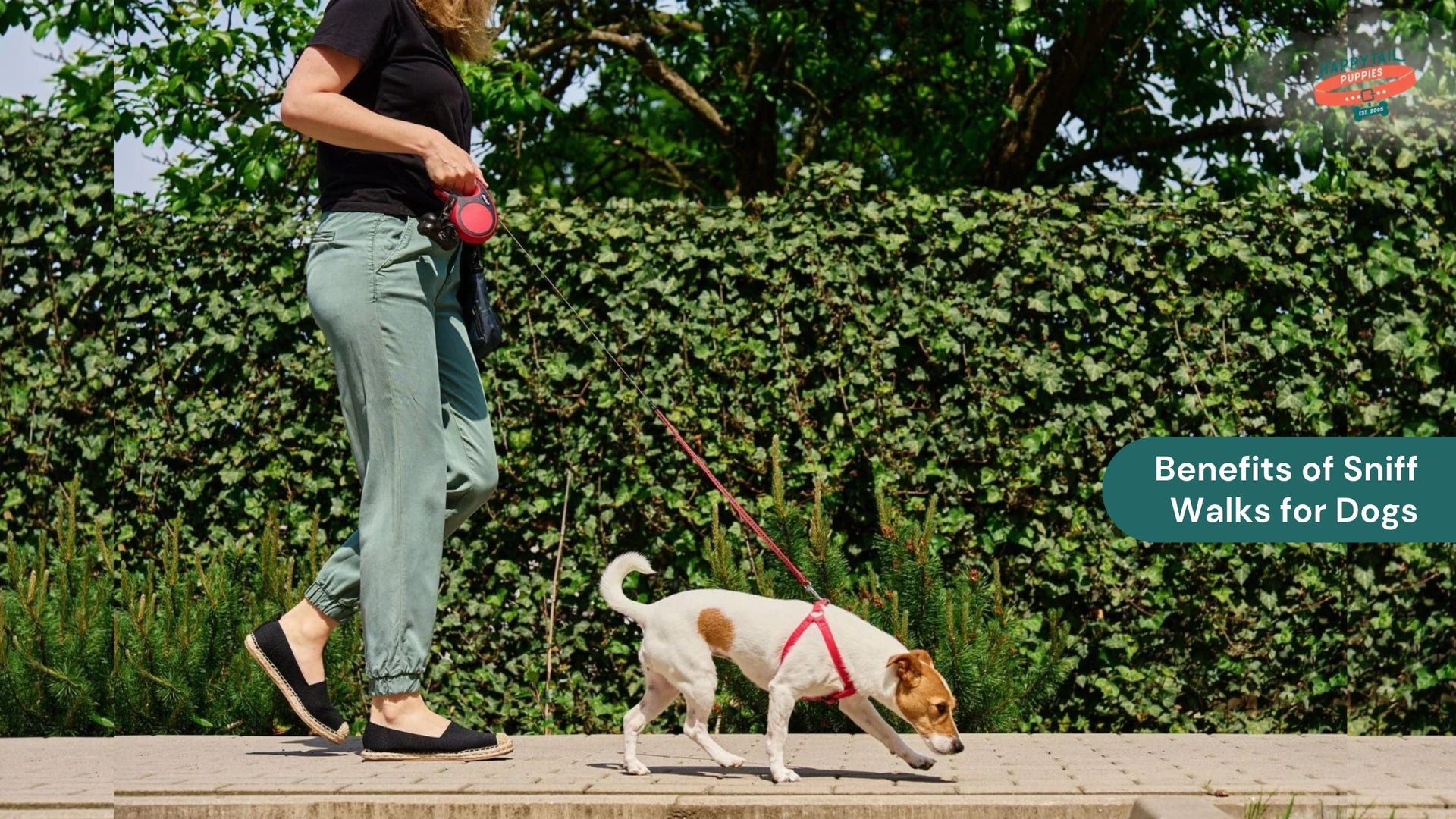
Sniff walks help dogs explore their surroundings, enjoy mental stimulation, and follow their natural instincts. Learn the benefits of sniff walks, how long they should last, and six simple tips to make every walk safe, relaxing, and enjoyable for your dog.
⚡Quick Answer
Sniff walks are good for dogs because they provide mental stimulation, encourage natural exploring behaviors, and help reduce boredom. Letting your dog sniff at their own pace can make walks more enriching, enjoyable, and rewarding.
Smell is often the primary way dogs learn about the world around them. A quick stop at a tree or lamppost gives a dog news about who’s passing by and what’s been happening in the neighborhood. On most ordinary walks, owners keep a steady pace, so dogs have little time to get these messages.
A sniff walk often changes that outlook, letting your dog move at their own pace and decide where to stop. It requires no special skills or equipment and suits dogs of all ages. Once you understand how it works, sniff walks can become one of the simplest ways to enjoy daily outings.
What Is a Sniff Walk for Dogs?
A sniff walk is a slow, relaxed walk where your dog decides where to go and how long to stop. Here, you’re not aiming for distance or speed. You simply follow your dog’s nose.
You might often come across the term “sniffari for dogs.” This is a playful term for a nature walk that’s led by the nose. Some trainers use this name for a decompression walk on a quiet route when the dog is wearing a long leash.
Why Sniff Walks Are Good for Dogs
Sniffing is more than just a way for dogs to explore their surroundings. It provides mental stimulation, encourages natural behaviors, and makes walks more enriching. Here are four main reasons so many dogs love slower, nose-led walks.
🐾 Provide Mental Stimulation and Environmental Exploration
Sniffing keeps your dog’s brain busy, since every smell carries new information. One core benefit of sniff walks is that they turn every outing into a chance to explore.
Here’s what your dog gets to do:
- Understand new or changing smells
- Decide where to move to next
- Follow a scent trail
Each choice that your dog makes keeps their mind stimulated. Research on scent activity in dogs is encouraging. However, further studies are required on sniff walks.
🐾 Encourage Natural Sniffing Behaviors
Sniffing is a natural part of dogs' behavior, and being held back from it can frustrate them. A sniff walk lets your dog follow that urge naturally.
Natural behaviors that are evident are:
- Relaxed tail and nose down
- Circling a favorite spot
- Pausing right in front of lampposts
Moments like these show how much dogs can sense, mostly through their noses.
🐾 Make Daily Walks More Engaging
Walking across the same route daily can appear repetitive to us. However, the smells along it change constantly. So, letting dogs sniff on walks keeps familiar streets interesting and gives your dog something new to check out.
What makes a route feel new:
- Regular fresh scents
- Weather that alters the smells
- New visitors who pass by
Because each change is new to your dog, even a gradual ten-minute stroll around the block can feel like a small adventure.
🐾 Strengthen the Bond Between Dogs and Their Owners
When you slow down and follow your dog’s lead, you show them that you’re paying attention to what matters to them. These small, simple habits can build enduring trust over time.
How this trust builds:
- Waiting as your dog sniffs
- Noticing body language and their mood
- Sharing a calm routine
These small things can make every walk feel like a shared time instead of a daily chore. A slower pace is enjoyable for both.
🐾 What the Latest Data Shows
Recently, Illinois State University reported that people have around 5 million scent receptors while dogs can have up to 300 million. Dogs also have a second scent organ that helps them read chemical messages from other animals.
Sniff Walks vs. Regular Dog Walks: What's the Difference?
Both sniff walks and regular dog walks have their own benefits. However, each helps you achieve a different goal. The table below shows the main differences.
| Feature | Sniff Walk | Regular Walk |
|---|---|---|
| Primary Goal | Exploring scents | Covering distance |
| Pace | Slow, set by your dog | Steady, set by you |
| Route | Short, quiet, and safe | Often longer, any route |
| Stops | Many, as long as needed | Few and brief |
| Leash | Loose, often longer | Often shorter and closer |
Most owners will combine both types of dog walks. They use a regular walk to get around and add sniff stops along the way. You can include dog sniff walks in most daily routines without major changes.
How to Start a Sniff Walk: 6 Tips for Beginners
If you're wondering how to plan a sniff walk, it’s simple. Here are six beginner-friendly tips to help you start safely.
🐾 Choose a Quiet and Safe Route
Choose a calm place with fewer cars, bikes and loud noises. Fewer distractions will make it easier for your dog to settle down, stay calm and focus on the smells around it, even on short outings.
Good places to try:
- Silent neighborhood side streets
- Park paths with a few crowds
- Grassy open fields nearby
Any of these places will work, and it helps when fewer people and other dogs are around.
🐾 Use a Comfortable Harness and Secure Leash
A well-fitted harness spreads pressure across your dog’s chest instead of the delicate neck. This helps keep your dog comfortable if they suddenly pull toward an interesting scent or get startled by a loud noise.
Here’s what to check before you leave for a sniff walk:
- Comfortable harness fit that’s not too tight
- Leash clip that closes securely
- Leash without any frayed spots
Once you've checked these things, a longer leash gives your dog more space to explore, as long as local rules allow it and the area is safe.
🐾 Let Your Dog Explore at Their Own Pace
Stand still and relax while your dog sniffs around. Some dogs spend a lot of time in one spot, and that’s normal. Understanding a scent properly takes patience and time.
Here’s how you should give your dog time:
- Stop whenever your dog stops
- Wait till the sniffing ends
- Keep your movements calm
Give your dog plenty of time to sniff and explore without feeling rushed. This helps them enjoy their walk at their own pace, even when you have somewhere else to be.
🐾 Allow Sniffing Without Constantly Pulling the Leash
When you take your dog for sniff walks, keep their leash loose so they can move their head freely and follow scent trails easily. Pulling your dog away every time it stops takes away the main benefit of this walk.
Easiest ways to keep the leash loose:
- Hold the dog’s leash gently
- Leave a soft curve
- Take a pause instead of pulling your dog away
If your dog tugs ahead or lingers behind, pause and wait patiently, since a loose leash keeps the walk calm for both of you.
🐾 Avoid Hazardous Plants, Litter, and Unknown Substances
Sniffing helps dogs explore their surroundings, but some things on the ground can be harmful if licked or swallowed. So stay alert for anything your dog shouldn’t touch. Also, checking the ground ahead of your dog is a simple habit that would prevent several issues.
Here’s what you should watch out for:
- Litter and bits of foods
- Spilled liquids and puddles
- Mushrooms and unknown plants
Teaching a common cue like “leave it” can help with these and reward your dog for turning away, making it easier for them to remember.
🐾 End the Walk Before Your Dog Becomes Tired or Overwhelmed
Watch for signs your dog has had enough and head back home before things get tiring. Ending on a good note can make your dog happier to go out again the next time.
Common signs that it’s time to go home:
- Frequently slowing down or stopping
- Yawning or heavy panting
- Whining or looking away
Another cue to watch for is lip-licking behavior in a dog, so head home calmly whenever you see this and keep the next walk shorter.
How Long Should a Sniff Walk Be?
There’s no fixed schedule or duration because every dog is different. The best starting point for most healthy adult dogs is 10 to 15 minutes. You can also add time as your dog becomes comfortable. Let your dog’s age, energy, and the weather guide you, and shorten the walk on hot or icy days.
| Dog | Starting Duration | Things to Note |
|---|---|---|
| Beginner Adult | 10 to 15 minutes | Add time slowly |
| Puppy | 5 to 10 minutes | Safe, pet-approved places |
| Senior Dog | 5 to 15 minutes | Slow pace, rest breaks |
| Experienced Sniffer | 20 to 30 minutes | Watch for tiredness |
Always treat these figures as starting points, not rules and ask your vet if your dog has any health-related concerns.
Are Sniff Walks Good for Puppies and Senior Dogs?
Absolutely! Both can enjoy them, but only with a couple of small changes. Puppies need extra safety, while senior dogs need a gentler pace.
🐾 Sniff Walks for Puppies
Puppies often learn about the world around them through their noses. So, short, calm outings will gently introduce them to new smells. Also, keeping things simple at first helps your pup feel safe, calm, and curious.
Here’s how to keep things safe and simple:
- Start in your own yard
- Avoid the areas that other dogs use
- Keep all the sessions short
Since puppies are still getting their vaccines, consult your vet to confirm your puppy is fully protected before visiting public places or meeting unfamiliar dogs.
🐾 Sniff Walks for Senior Dogs
Older dogs will love a slower pace, and sniffing is gentle on their joints and bodies. A calm, quiet outing with plenty of time keeps them mentally engaged without much strain.
Here’s how to make things comfortable:
- Always select flat and soft ground
- Allow a lot of rest stops
- Skip icy or hot weather
If your senior dog seems stiff, slows down quickly, or tires sonner than usual, consult your vet about which walks feel comfortable.
Common Sniff-Walking Mistakes to Avoid
Small mistakes can make these walks less enjoyable. Watch out for these:
- Rushing your dog along
- Choosing busy, noisy routes
- Keeping the leash tight
- Ignoring signs of stress
- Letting your dog eat things
If you notice one of these habits, simply adjust and try again.
Final Thoughts
Dogs have a lot to tell us when we slow down and pay attention. Each walk is a chance to learn what your dog finds interesting. Try noticing which smells make your dog's tail wag, and let those moments guide your next route. Over time, you will enjoy the walks just as much as your dog does, and you will both look forward to heading out the door.
Frequently Asked Questions
Here are quick answers to questions owners often ask once they start. Each one focuses on something not covered above.
Do sniff walks make dogs tired?
Many dogs feel pleasantly tired and relaxed afterward, because sniffing uses a lot of focus.
Are sniff walks suitable for shy or nervous dogs?
They often work well because the dog sets the pace. Choose a very quiet place, keep the walk short, and stop if your dog seems worried.
What should I do if my dog stops and will not move?
Wait patiently, because your dog may be reading an interesting scent. After a minute or two, call your dog cheerfully.
Can sniff walks replace regular walks?
Not entirely. Sniff walks provide mental stimulation, while regular walks also help dogs stay physically active. Combining both gives your dog a good balance of exercise and exploration.
Should I let my dog sniff everything during a walk?
No. Let your dog explore safe areas, but prevent them from sniffing too closely around hazardous plants, litter, unknown substances, or anything they might swallow.